


Managing Custom Jewelry Orders From Design to Delivery
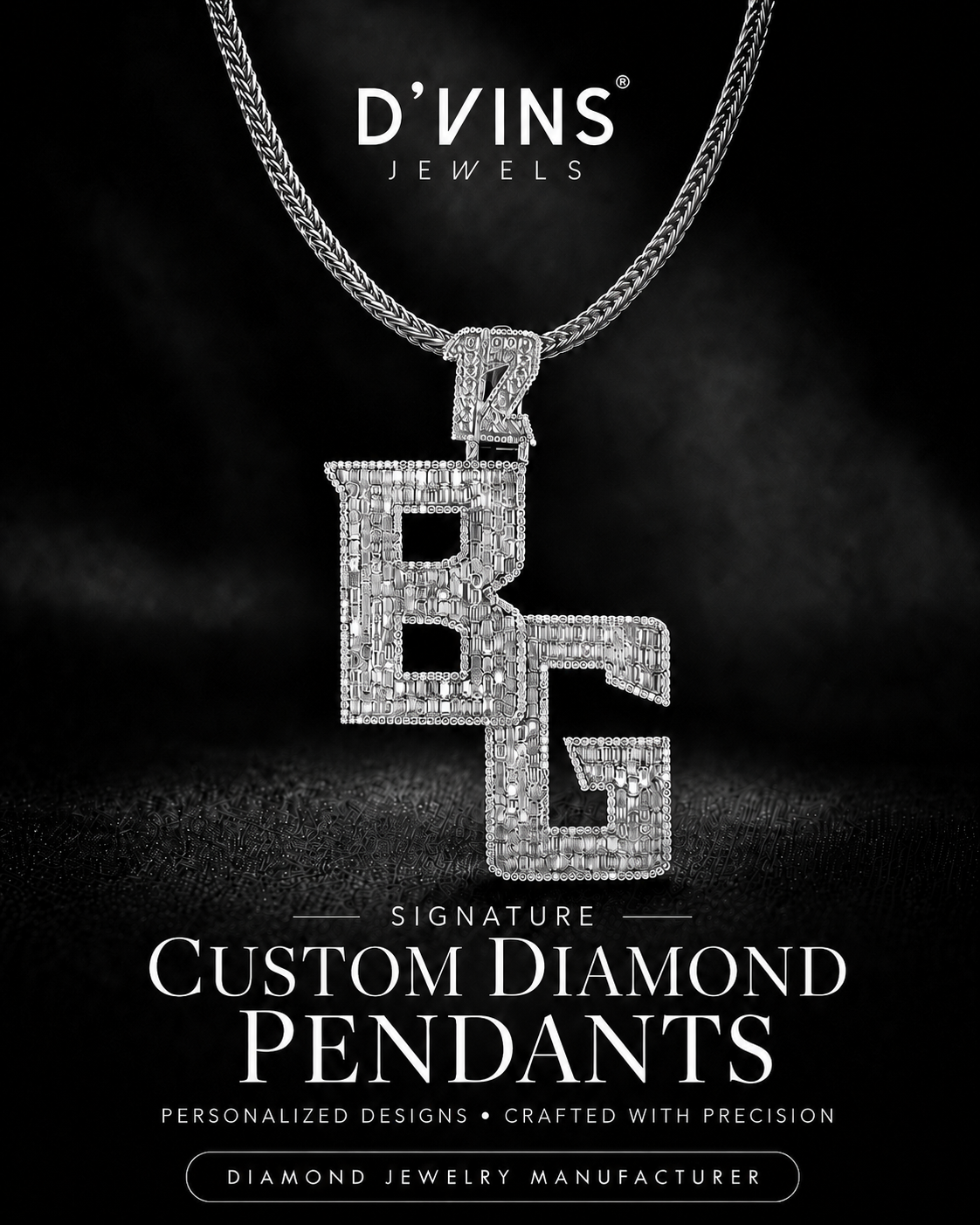
Working with a Custom diamond Jewelry Manufacturer can help jewelry businesses offer personalized pieces without managing every production task internally. However, custom orders involve several stages, and a small communication gap can lead to incorrect specifications, production delays, or delivery problems.
A well-organized process keeps everyone aligned from the first design discussion to the final shipment. For jewelry retailers, wholesalers, and private-label brands, effective custom jewelry order management is not simply about tracking an order. It involves controlling design details, approvals, production schedules, quality checks, and delivery expectations.
Why Custom Jewelry Order Management Matters
Custom jewelry is different from ready-made inventory. Each piece may have specific requirements for metal type, stone selection, dimensions, setting style, engraving, finishing, and packaging.
When these details are handled informally, mistakes can happen. A manufacturer may begin production using an outdated design, or a buyer may expect a specification that was never formally approved.
A structured custom jewelry order management process creates a clear record of what has been requested and approved. It also gives businesses better visibility into each order and makes it easier to communicate with customers.
Start With a Detailed Order Brief
The first step is to document the complete order before production begins. The brief should include:
- Jewelry type and quantity
- Metal specifications
- Diamond or gemstone requirements
- Stone size, shape, and quality
- Measurements and dimensions
- Design references or CAD files
- Engraving requirements
- Target production date
- Packaging and delivery instructions
A detailed brief reduces assumptions. It also gives the production team a single reference point throughout the order.
Get Design Approval Before Production
Design approval is one of the most important stages in the jewelry order process. A custom piece should not move into production until the buyer has confirmed the final design.
Depending on the project, manufacturers may provide sketches, CAD models, renders, or wax models for review. Businesses should check proportions, stone placement, dimensions, setting details, and other specifications before approving the design.
Keep Approval Records Organized
Every revision should be clearly identified. Instead of sending multiple files with unclear names, businesses can use a simple versioning system such as Design V1, Design V2, and Final Approved Design.
Written approval is also valuable. A short confirmation through email or an order management system can establish exactly which version has been approved.
This becomes particularly useful when handling multiple custom orders simultaneously.
Choose the Right Custom Diamond Jewelry Manufacturer
The manufacturing partner plays a major role in maintaining consistency and meeting delivery commitments. Businesses should evaluate a supplier based on production capabilities, communication, quality control, customization options, and ability to meet agreed timelines.
A capable Custom diamond Jewelry Manufacturer should be able to understand technical specifications and translate approved designs into finished pieces accurately.
For businesses looking for specialized production support, working with an established company such as DVINS Jewels can be considered as part of the supplier evaluation process.
Coordinate Diamond Jewelry Production Services
Once the design has been approved, production can begin. At this stage, clear scheduling becomes important because custom pieces may pass through several production steps.
These can include CAD development, casting, metal preparation, stone setting, finishing, polishing, inspection, and packaging.
Reliable diamond jewelry production services should have defined checkpoints throughout the process rather than relying only on a final inspection.
Monitor Production Milestones
Businesses can divide each order into milestones, such as:
- Design approved
- Materials confirmed
- Production started
- Stone setting completed
- Finishing completed
- Quality inspection completed
- Order packed
- Shipment dispatched
Tracking these stages makes delays easier to identify. If an order remains at one stage longer than expected, the business can contact the production partner before the delivery date becomes a problem.
Build Quality Checks Into the Process
Quality control should not be treated as the final step alone. Custom pieces need to be checked against the approved specifications throughout production.
The final inspection should verify dimensions, metal quality, stone placement, setting security, finishing, engraving, and overall appearance.
For diamond jewelry, documentation and stone specifications should also match the original order requirements.
A consistent inspection process protects the jewelry business from avoidable returns and helps maintain customer confidence.
Plan Delivery Before Production Ends
Shipping should be considered when the production schedule is created, not after the jewelry is finished. Businesses need to account for packaging, documentation, courier timelines, customs requirements where applicable, and the customer's required delivery date.
A simple order tracker can show the expected completion date, inspection date, dispatch date, and delivery target.
This approach gives businesses enough time to communicate any changes rather than surprising customers with last-minute delays.
Make the Process Repeatable
Successful custom jewelry businesses do not manage every order differently. They create a repeatable workflow that can be adjusted for individual projects.
A standard process for collecting specifications, approving designs, tracking diamond jewelry production services, completing inspections, and arranging delivery can reduce errors and save administrative time.
The goal is straightforward: everyone involved should know what has been requested, what has been approved, what stage the order is in, and what needs to happen next.
When jewelry businesses treat custom orders as a structured process rather than a series of informal conversations, they can improve production coordination, reduce misunderstandings, and provide customers with more reliable delivery expectations.

 English
 Arabic
 French
 Spanish
 Portuguese
 Deutsch
 Turkish
 Dutch
Dutch
 Italiano
 Russian
 Romaian
 Portuguese (Brazil)
