


Root Canal in Johar Town: What Patients Rarely Get Told Before Treatment
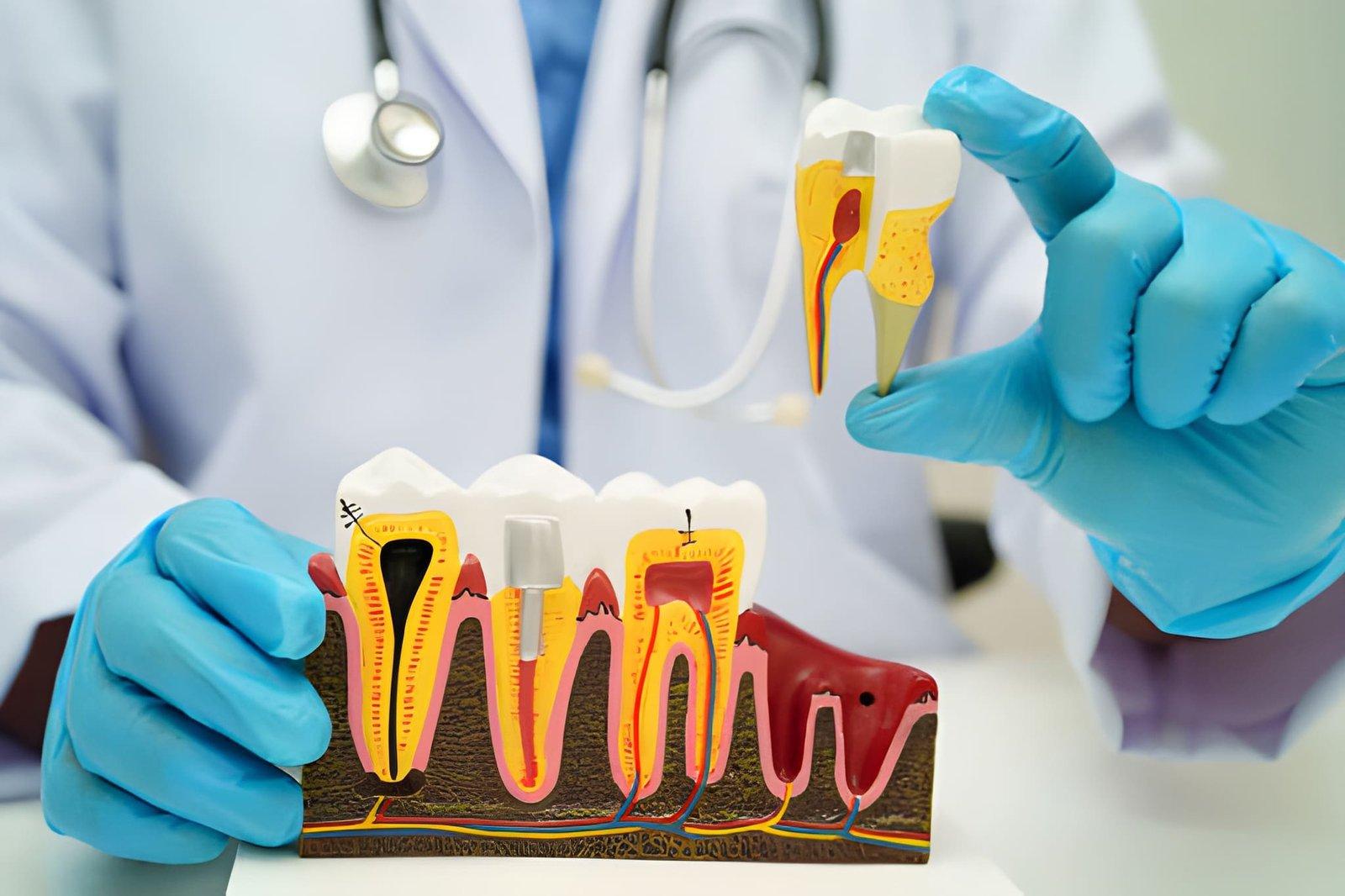
Root canal treatment carries a largely outdated reputation problem — most of the pain associated with it actually comes from the infection that made the procedure necessary, not the treatment itself. Yet very little local content actually explains what happens step by step, why some root canals take one visit and others take three, or what determines whether a treated tooth lasts a lifetime or fails within a few years. This guide from Elora Dental and Aesthetics in Johar Town covers the details most clinics skip in favor of generic reassurance.
Why the Tooth Needs a Root Canal in the First Place
A root canal becomes necessary when the pulp the soft tissue containing nerves and blood vessels inside a tooth becomes infected or inflamed, usually from deep decay, a cracked tooth, repeated dental procedures on the same tooth, or trauma. Left untreated, this infection doesn't stay contained; it can spread to the bone surrounding the root, leading to an abscess, bone loss, and eventually tooth loss. This is the detail many patients don't fully grasp: a Root Canal in Johar Town isn't an aggressive treatment option chosen over a conservative one by the point it's needed; the alternative is usually extraction, not "waiting it out."
What Actually Happens During the Procedure, Step by Step
Understanding the actual sequence helps set realistic expectations, since most patients arrive with only a vague, anxiety-driven idea of what's involved.
The tooth and surrounding gum are numbed with local anesthesia; this is where nearly all of the discomfort management happens, and it's why the procedure itself is not painful once numbing takes effect, contrary to its reputation. A small access opening is made through the top of the tooth to reach the infected pulp chamber. The infected or dead pulp tissue is removed using fine specialized instruments, and the canals inside the root are cleaned and reshaped. The canals are then disinfected, often with an antimicrobial rinse, to reduce bacterial load before sealing. The cleaned canals are filled with a biocompatible material (commonly gutta-percha) to prevent recontamination. Finally, the tooth is sealed, usually with a temporary filling initially, followed by a permanent restoration, typically a crown, once the tooth has stabilized.
The part most patients don't realize going in: the root canal procedure itself is usually completed in one or two visits, but the tooth isn't considered fully restored until the final crown is placed, which often happens two to three weeks later. Treating the root canal as "done" after the canal-filling stage, without following through on the crown, is one of the most common reasons treated teeth fail later.
Why Some Root Canals Take One Visit, and Others Take Three
This variation confuses many patients who compare notes and find their treatment timeline doesn't match a friend's. The real determining factors include:
Number of canals and root complexity. Front teeth typically have a single root canal and are more straightforward, while molars can have three or four canals with curved or narrow root anatomy that takes longer to clean and shape thoroughly.
Severity of infection at the time of treatment. A tooth with an active abscess sometimes needs the infection to be brought under control with an initial cleaning and medicated dressing before the canal can be permanently sealed, requiring a follow-up visit rather than immediate completion.
Whether it's a retreatment. A root canal being redone due to a previous treatment failing (from incomplete cleaning, an undetected extra canal, or a cracked seal) is more complex and time-consuming than a first-time procedure on a straightforward tooth.
A dentist who gives a firm "definitely just one visit" answer before actually examining X-rays and assessing canal anatomy is making a promise that isn't always realistic to keep.
The Crown Decision: Why It's Not Optional for Most Cases
This is a genuinely underexplained point in most root canal content. After the internal infection is treated, the tooth itself is more brittle than before — it's lost some structural integrity from the access opening and from the original decay or crack that caused the problem. For back teeth (molars and premolars) especially, which absorb significant chewing force, a crown isn't a cosmetic upgrade — it's what prevents the tooth from fracturing under normal biting pressure in the months following treatment. Front teeth with smaller access openings sometimes only need a filling rather than a full crown, depending on how much natural structure remains, but this should be a decision made by the treating dentist based on the specific tooth, not a default assumption either way. Skipping the crown to save cost on a molar that needs one is one of the most common, and most preventable, reasons a successfully treated root canal tooth ends up fracturing and requiring extraction within a year or two.
Pain Expectations: Before, During, and After
During the procedure itself, modern local anesthesia makes the treatment essentially painless for the vast majority of patients — this is well-supported and not just clinic marketing. Some mild soreness or tenderness in the days following treatment is normal, particularly when chewing on that side, as the tissue around the root settles; this typically resolves within a few days and responds well to standard over-the-counter pain relief. What's not normal: pain that worsens rather than improves after the first few days, visible swelling, or a fever — these warrant contacting the clinic rather than waiting it out, since they can indicate the infection wasn't fully resolved or a complication has developed.
A Detail Rarely Discussed: Why Retreatment Sometimes Becomes Necessary Years Later
Even a well-performed root canal can occasionally fail years down the line — not because the original treatment was done incorrectly, but because new decay develops around the crown margin, a previously undetected extra canal (common in molars, which sometimes have four canals instead of the expected three) was missed, or the seal degrades over time from a cracked crown or filling. This is why continued regular dental checkups on a root-canal-treated tooth matter just as much as on natural teeth — the tooth is no longer at risk from pulp infection, but it remains vulnerable to new decay at the gumline or a compromised seal, which are both very treatable if caught early.
How Elora Dental and Aesthetics Approaches Root Canal Treatment
At Elora Dental and Aesthetics in Johar Town, root canal treatment planning includes a full diagnostic X-ray review before committing to a session estimate, a clear explanation of whether a crown will be needed and why, and realistic pain and timeline expectations discussed before treatment begins rather than after. The goal is a tooth that's genuinely restored to full function, not just a canal that's been cleaned and sealed without the follow-through that determines whether it lasts.
Frequently Asked Questions
1. Is a root canal really as painful as its reputation suggests?
No with modern local anesthesia, the procedure itself is generally painless. The pain people associate with root canals almost always comes from the infection that made treatment necessary in the first place, which the procedure actually resolves rather than causes.
2. Do I always need a crown after a root canal, or is a filling sometimes enough?
It depends on the tooth. Back teeth (molars, premolars) that absorb significant chewing force typically need a crown to prevent fracture, since the tooth is more brittle after treatment. Front teeth with less structural damage sometimes only need a filling, but this should be assessed individually by the treating dentist.
3. Why did my root canal take three visits when a friend's only took one?
This usually comes down to canal complexity (molars often have multiple curved canals versus a single canal in front teeth), how advanced the infection was, and whether it was a first-time treatment or a retreatment of a previously failed root canal — not a difference in dentist skill.
4. Can a tooth that's had a root canal still get a cavity?
Yes. The root canal removes infected pulp tissue from inside the tooth, but the outer tooth structure remains just as susceptible to new decay, particularly around the crown margin, which is why regular checkups on treated teeth remain important.
5. What symptoms after a root canal mean I should contact the clinic rather than wait it out?
Mild soreness for a few days is normal and expected. Pain that worsens instead of improving, visible swelling, or fever are not normal and typically indicate the infection wasn't fully resolved or a complication has developed, warranting a prompt follow-up rather than waiting.

 English
 Arabic
 French
 Spanish
 Portuguese
 Turkish
 Dutch
Dutch
 Italiano
 Russian
 Romaian
 Portuguese (Brazil)
 Greek
Greek
