


HPV Test: How HPV Is Detected Through Screening
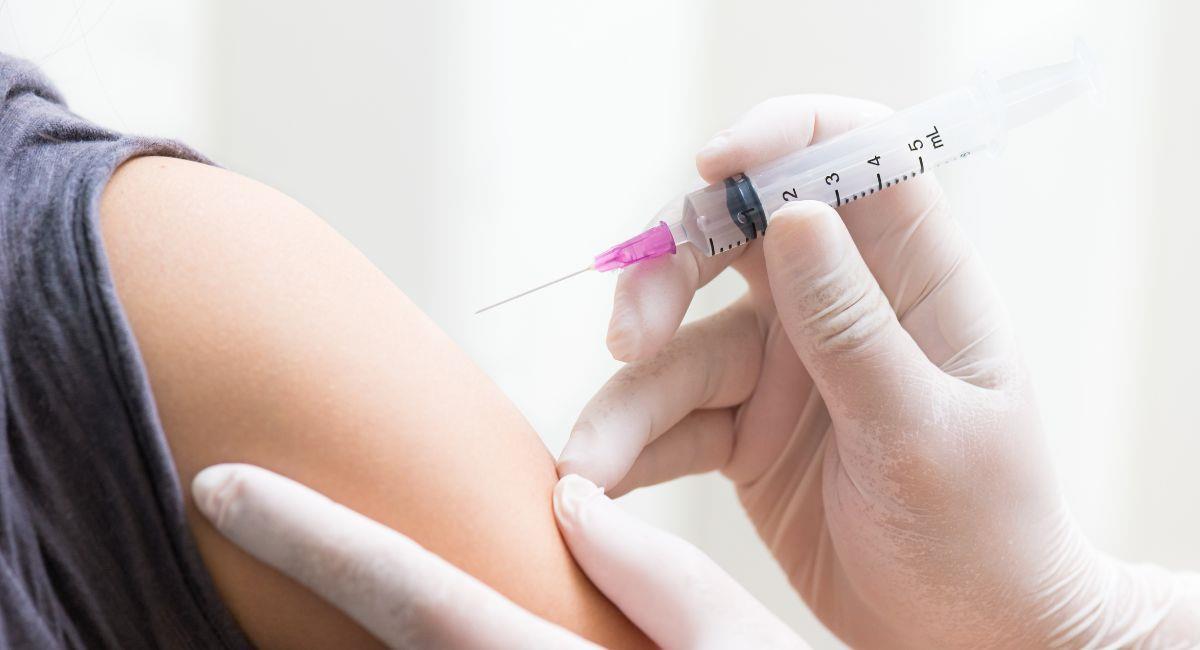
An HPV Test Dubai can detect certain high-risk types of human papillomavirus through laboratory analysis of a cervical sample. HPV is extremely common, and many infections do not cause noticeable symptoms. Because of this, screening can provide important information even when a person feels completely healthy.
Understanding how HPV is detected, how samples are collected, and what happens after testing can make the screening process easier to understand.
STD Testing in Dubai: Understanding HPV Screening
STD Test in Dubai can include screening for different sexually transmitted infections, but HPV screening has a specific role in cervical health.
An HPV screening test generally looks for high-risk HPV types associated with cervical cancer. It does not necessarily detect every type of HPV or replace other STI tests.
If you are looking for broader sexual health screening, ask your healthcare provider which infections are included in the recommended testing.
What Is HPV Detection?
HPV detection means identifying evidence of relevant HPV infection in a biological sample.
For cervical screening, laboratory tests commonly look for genetic material from high-risk HPV types. Depending on the test, results may identify a group of high-risk types or provide information about particular HPV types.
How Is an HPV Sample Collected?
A cervical HPV sample is generally collected by a healthcare professional during a screening appointment.
The sample is taken from the cervix using appropriate medical equipment and placed into a container for laboratory analysis.
The procedure is usually brief, although some people may experience temporary pressure or discomfort.
Can HPV Be Detected Without Symptoms?
Yes. HPV frequently causes no symptoms.
A person can therefore have high-risk HPV without experiencing pain, discharge, itching, or other noticeable signs.
This is one of the main reasons cervical screening is important. Testing does not have to wait until symptoms appear.
What Happens to the Sample?
After collection, the sample is sent to a laboratory where it is analyzed using an HPV testing method.
The laboratory checks whether relevant high-risk HPV genetic material is detected.
The result is then reported to the healthcare provider or screening programme according to the testing process.
What Does a Positive HPV Test Show?
A positive result means that the relevant high-risk HPV type or group was detected in the sample.
It does not mean that cervical cancer has been diagnosed.
Many HPV infections are temporary and become undetectable over time. However, persistent infection with certain high-risk types can increase the risk of cervical cell changes.
What Does a Negative HPV Test Show?
A negative result means that the high-risk HPV types targeted by the particular test were not detected in the sample.
This can be reassuring, but it does not mean that every possible HPV type is absent.
You should continue cervical screening according to the schedule recommended by your healthcare professional.
Can HPV Testing Identify Every HPV Type?
No. HPV tests used for cervical screening are generally designed to identify specific high-risk types or groups of types.
They are not necessarily intended to detect every HPV type that can infect humans.
If you have concerns about genital warts or another possible HPV-related condition, discuss them separately with a healthcare professional.
HPV DNA Testing
HPV DNA testing looks for genetic material from HPV in the collected sample.
WHO recommends HPV DNA testing as a highly effective approach to cervical cancer screening where appropriate screening programmes are available.
The test can identify high-risk HPV before cervical cell abnormalities become apparent in some cases, making it an important tool for prevention.
Can Self-Collection Be Used?
In some screening programmes, people may be able to collect their own vaginal sample for HPV testing.
WHO recognizes self-collected samples as an option for HPV DNA testing within appropriate cervical screening programmes.
Availability and eligibility depend on the healthcare system and local screening services.
What Happens After HPV Detection?
If high-risk HPV is detected, the next step depends on the specific result, previous screening history, age, and applicable clinical guidelines.
Some people may be advised to repeat HPV testing after an appropriate interval. Others may require cervical cell assessment or further examination.
Following the recommended follow-up is important for monitoring cervical health.
Does HPV Detection Mean Cancer?
No. Detecting high-risk HPV does not mean that cancer is present.
HPV infection is common, and most infections do not progress to cancer. The main concern is persistent infection with certain high-risk types.
Screening helps identify people who may need closer monitoring before serious cervical disease develops.
Can HPV Become Undetectable?
Yes. Many HPV infections become undetectable over time as the immune system controls the infection.
However, some infections persist. Because it is not possible to know with certainty which infections will persist, recommended screening and follow-up should not be ignored.
Why Is Regular Screening Important?
Regular cervical screening can help identify high-risk HPV and potential cervical abnormalities before they become more serious.
WHO's cervical cancer prevention strategy includes HPV vaccination, screening, and treatment of precancerous lesions as important prevention measures.
Following the recommended screening schedule can therefore support long-term cervical health.
Final Thoughts
An HPV Test Dubai detects relevant high-risk HPV through laboratory analysis of a cervical sample. The process usually involves sample collection, laboratory testing, and interpretation of the result by a healthcare professional.
STD Testing in Dubai may cover a broader range of infections, while HPV screening focuses on detecting high-risk HPV relevant to cervical cancer prevention. If you are due for screening or have questions about an HPV result, speak with a qualified healthcare professional about the appropriate testing and follow-up options.

 English
 Arabic
 French
 Spanish
 Portuguese
 Deutsch
 Turkish
 Dutch
Dutch
 Italiano
 Russian
 Portuguese (Brazil)
 Greek
Greek
