


Building Inspection Guide For Safer Property Decisions
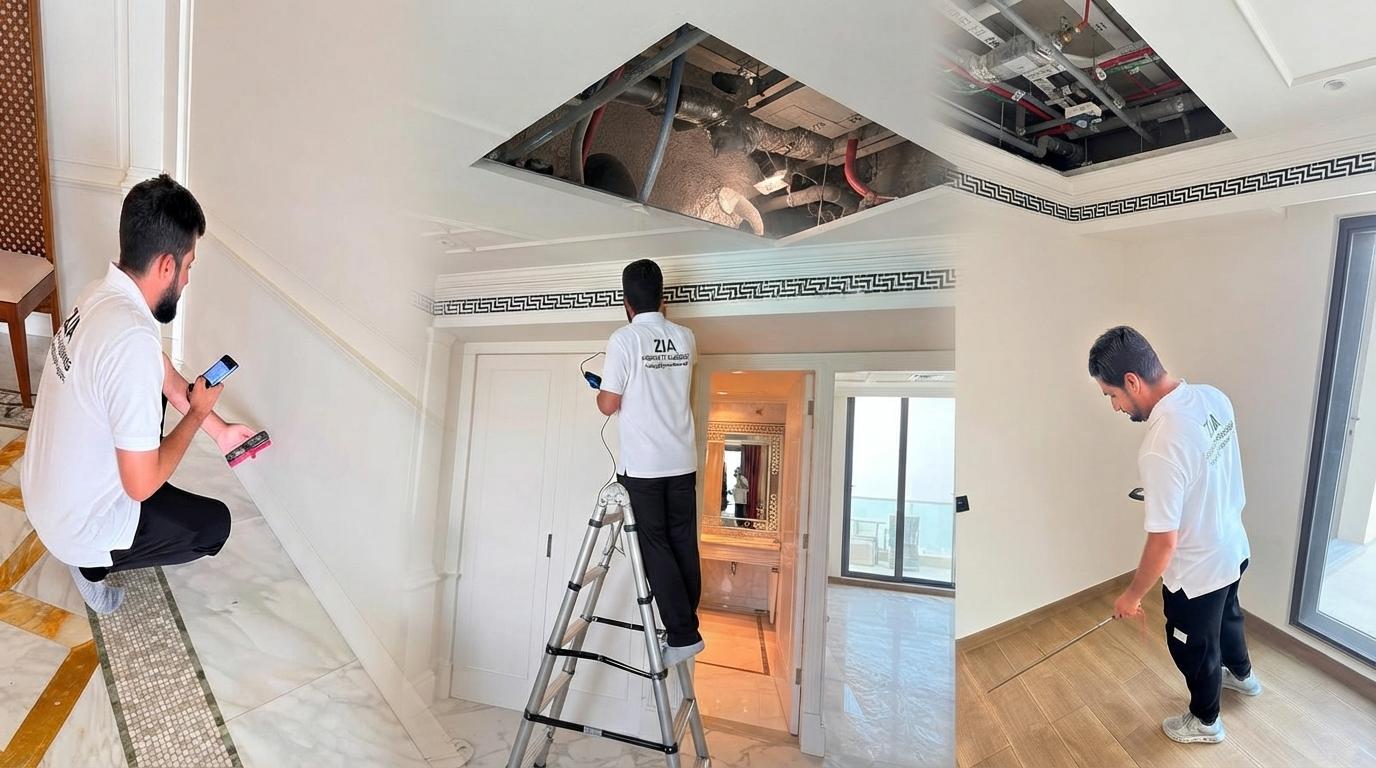
A building is a major investment, whether it is a newly constructed home, an existing residential property, a commercial space, or a large development. Before purchasing, occupying, renovating, or maintaining a building, it is important to understand its actual condition. A professional Building Inspection provides valuable insight into the quality, safety, functionality, and visible condition of the property.
Many building problems are not immediately obvious during a normal viewing. Cracks may appear minor, moisture can remain hidden behind finishes, drainage problems may only become visible during certain conditions, and poor workmanship can be overlooked when attention is focused on the property's appearance. A detailed inspection helps identify these concerns before they become more expensive or complicated.
Building inspections are useful for property buyers, owners, landlords, investors, developers, and anyone responsible for maintaining a building. The purpose is to provide an objective assessment of accessible areas and highlight defects or conditions that may require attention.
What Is A Building Inspection?
A Building Inspection is a systematic assessment of a property's physical condition. A professional inspector examines accessible areas of the building and looks for defects, deterioration, poor workmanship, maintenance concerns, and other visible issues.
The inspection may cover structural elements, exterior surfaces, roofing where accessible, walls, ceilings, floors, doors, windows, plumbing fixtures, electrical components, ventilation, air conditioning, kitchens, bathrooms, and other relevant areas.
The exact scope depends on the type of property and the inspection service selected. Some specialized concerns may require additional testing or assessment by qualified specialists.
The main purpose is not simply to find problems. It is to give the property owner or buyer a clearer understanding of the building's condition so informed decisions can be made.
Why Building Inspection Is Important
A property can look attractive while still having significant defects. Fresh paint, modern finishes, attractive furniture, and good lighting can sometimes make underlying concerns difficult to notice.
A professional inspection takes a more systematic approach. Instead of focusing only on appearance, the inspector evaluates accessible components and looks for signs of defects or poor installation.
Early identification of problems can help property owners prioritize repairs and maintenance. Buyers can also use inspection findings when evaluating whether a property meets their expectations.
Regular inspections can be valuable as part of long-term property maintenance because small defects can become more serious when they are ignored.
What Does A Building Inspection Cover?
The inspection scope varies according to the property and service provider, but a comprehensive assessment can include several important areas.
Structural Condition
Structural elements are among the most important parts of a building. Inspectors look for visible signs such as cracks, movement, deterioration, settlement indicators, damaged surfaces, or other conditions that may require further investigation.
A standard visual inspection does not replace a specialist structural engineering assessment when a serious structural concern is suspected. However, identifying warning signs early can help determine whether additional professional evaluation is needed.
Walls And Ceilings
Walls and ceilings are inspected for visible cracks, stains, dampness, uneven surfaces, damaged finishes, paint deterioration, and signs of previous repairs.
Water stains or discoloration can sometimes indicate moisture problems that require further investigation. Identifying such signs early can help prevent ongoing damage.
Floors And Tiling
Flooring is another important area of a building inspection. Inspectors may look for cracked tiles, uneven surfaces, damaged flooring, poor grout, loose finishes, or other visible installation problems.
Floor defects can affect appearance, comfort, and in some cases safety. A detailed inspection helps identify areas that should receive attention.
Doors And Windows
Doors and windows contribute to security, ventilation, insulation, and comfort. They should operate properly and be appropriately aligned.
An inspection may identify damaged frames, gaps, defective locks, difficult operation, broken handles, poor sealing, or finishing issues around openings.
Roof And External Areas
Where accessible, roofing and external areas should be examined for visible signs of deterioration, water entry, damaged surfaces, blocked drainage, cracks, or poor finishing.
Roofing defects can become particularly costly if water enters the building and remains undetected for an extended period.
Plumbing Systems
Accessible plumbing fixtures and components can be checked for signs of leakage, poor drainage, damaged fittings, water pressure concerns, and other visible issues.
Bathrooms, kitchens, utility areas, sinks, toilets, showers, taps, and drainage points can all be important inspection areas.
Water leaks should never be ignored because prolonged moisture can contribute to damage, mold growth, deterioration of finishes, and other property concerns.
Electrical Components
Accessible electrical fixtures may be reviewed for visible defects and basic functionality where appropriate.
Switches, sockets, lights, distribution boards, and other accessible components can be checked for signs of damage or improper installation.
Electrical systems can involve significant safety risks. Suspected electrical faults should be evaluated by an appropriately qualified electrical professional.
Air Conditioning And Ventilation
Air conditioning is particularly important in warm climates. An inspection can include accessible air conditioning components, controls, vents, visible drainage, and general performance observations where the inspection scope allows.
Poor cooling, unusual noises, water leakage, blocked drainage, or damaged components may indicate that further specialist attention is required.
Kitchens And Bathrooms
Kitchens and bathrooms contain multiple fixtures and systems, making them important areas during an inspection.
Cabinetry, countertops, sinks, taps, appliances supplied with the property, toilets, showers, bathtubs, tiles, sealant, ventilation, and visible plumbing connections can be reviewed for defects.
Common Defects Found During Building Inspections
Building inspections can reveal a wide range of problems. Some are cosmetic, while others can affect functionality, durability, comfort, or safety.
Common findings include cracked tiles, damaged paint, uneven flooring, poor sealant, water stains, leaking plumbing fixtures, blocked drains, damaged doors, window problems, loose fittings, incomplete finishing, air conditioning concerns, and signs of moisture.
External areas may also contain damaged surfaces, drainage concerns, cracks, or deteriorated finishes.
The importance of a defect depends on its location, severity, cause, and potential impact. A professional report should clearly describe the observed condition and indicate when further investigation may be appropriate.
Benefits Of Hiring A Professional Building Inspector
Independent Assessment
A professional inspector provides an objective assessment of the property's accessible condition. This can be particularly valuable when buying a property because the buyer may not have technical construction knowledge.
Better Understanding Of Property Condition
Inspection findings give owners and buyers a clearer picture of what they are purchasing or maintaining. This information can support better decisions.
Early Problem Detection
Finding defects early can help prevent minor concerns from developing into more complicated and expensive problems.
Maintenance Planning
Property owners can use inspection findings to prioritize maintenance. Urgent concerns can be addressed first, while cosmetic or lower-priority issues can be scheduled later.
Better Documentation
A detailed inspection report creates a written record of observed defects and conditions. Photographs and descriptions can make the findings easier to understand and communicate.
Greater Confidence
Knowing that the property has been carefully reviewed can give buyers and owners greater confidence when making property-related decisions.
Building Inspection For Property Buyers
Property buyers should consider an inspection before completing a purchase whenever possible. The emotional excitement of buying a property can make it easy to overlook defects.
An inspection provides a more objective perspective. Instead of judging the property only by its appearance, buyers can understand potential maintenance concerns and visible defects.
This can be especially useful for older properties, properties that have undergone renovations, and buildings where maintenance history is unclear.
Building Inspection For New Construction
New buildings are not automatically free from defects. Construction involves many trades, materials, installations, and finishing processes, and issues can occur at different stages.
A professional inspection before handover can identify incomplete work, damaged finishes, poor workmanship, installation concerns, and other visible defects.
Identifying problems before the property is fully occupied can make the rectification process more organized and efficient.
Building Inspection For Existing Properties
Existing buildings can develop problems due to age, weather exposure, regular use, poor maintenance, previous repairs, or changes made by occupants.
A building inspection can help identify areas that require maintenance or further investigation.
For landlords and property owners, periodic inspections can also support preventative maintenance and help protect the property's long-term condition.
When Should You Arrange A Building Inspection?
The best timing depends on the purpose of the inspection.
For property buyers, an inspection is generally most useful before completing the purchase. For newly constructed properties, an inspection can be arranged before handover. For existing properties, an inspection may be useful before purchasing, after significant renovation, or when unexplained defects appear.
Property owners may also choose inspections as part of ongoing maintenance, particularly when the building has experienced water damage, renovation work, or other significant changes.
How To Choose A Building Inspection Company
Choosing the right inspection provider is important because the quality of the assessment depends on the inspector's knowledge, experience, attention to detail, and reporting process.
Look for a company that clearly explains its inspection scope and provides a professional report. The inspection should be systematic rather than limited to a quick visual walkthrough.
It is also important to ensure that the company has experience with the type of building being inspected. Residential properties, villas, apartments, commercial buildings, and larger developments can have different inspection requirements.
Clear communication is another valuable quality. The inspector should be able to explain findings in understandable language and distinguish between visible defects and issues that require specialist investigation.
What Happens After A Building Inspection?
After the inspection, the buyer or property owner receives information about the observed condition of the building.
The findings should be reviewed carefully and organized according to their importance. Defects that may affect safety, water protection, structural performance, or essential systems should receive appropriate attention.
Where further specialist investigation is recommended, the relevant professional should be contacted. Once repairs or corrective work are completed, a follow-up review may be useful to confirm that identified concerns have been addressed.
Frequently Asked Questions
What is the purpose of a Building Inspection?
The purpose of a Building Inspection is to assess the visible and accessible condition of a property and identify defects, maintenance concerns, workmanship problems, and conditions that may require further investigation.
Is Building Inspection only for old properties?
No. New buildings can also have construction and finishing defects. Inspections are useful for both newly constructed and existing properties.
Should I inspect a property before buying it?
A pre-purchase inspection can help buyers understand the property's condition before making a final commitment. It can reveal issues that may not be obvious during a standard viewing.
Can an inspection identify hidden defects?
A professional visual inspection can identify signs that may indicate hidden problems, but concealed defects cannot always be confirmed without specialist testing or invasive investigation.
Does a Building Inspection include electrical and plumbing systems?
Many inspections include accessible electrical and plumbing components within their defined scope. However, specialist testing may be required for complex or suspected electrical, plumbing, or mechanical problems.
Will I receive a report after the inspection?
A professional inspection service generally provides a report describing the observed defects and conditions. The report format and level of detail depend on the service provider and inspection scope.
Can a Building Inspection help with maintenance planning?
Yes. Inspection findings can help property owners understand which areas need attention and prioritize maintenance based on the nature and potential impact of the identified concerns.
How long does a Building Inspection take?
The inspection duration depends on the property's size, layout, condition, accessibility, and inspection scope. A detailed assessment should allow enough time to review the relevant areas properly.
Is a Building Inspection necessary for a new home?
It can be highly beneficial because new construction can still contain defects, incomplete work, installation issues, or finishing problems. An inspection gives the buyer an independent view of the property's condition.
What should I do if serious defects are discovered?
Serious defects should be documented and communicated to the appropriate party. Depending on the nature of the problem, further assessment by a qualified structural, electrical, plumbing, or other specialist may be appropriate.
Conclusion
A Building Inspection is an important part of making informed property decisions. Whether you are purchasing a new home, evaluating an existing building, preparing for handover, or planning long-term maintenance, a professional inspection can provide valuable information about the property's condition.
A building may appear perfect at first glance, but detailed assessment can reveal defects involving walls, ceilings, flooring, windows, doors, plumbing, electrical components, air conditioning, roofing, kitchens, bathrooms, and external areas.

 English
 Arabic
 French
 Spanish
 Portuguese
 Deutsch
 Turkish
 Dutch
Dutch
 Italiano
 Romaian
 Portuguese (Brazil)
 Greek
Greek
