


A Strategic Analysis: Forces Shaping the Biometrics-as-a-Service Market
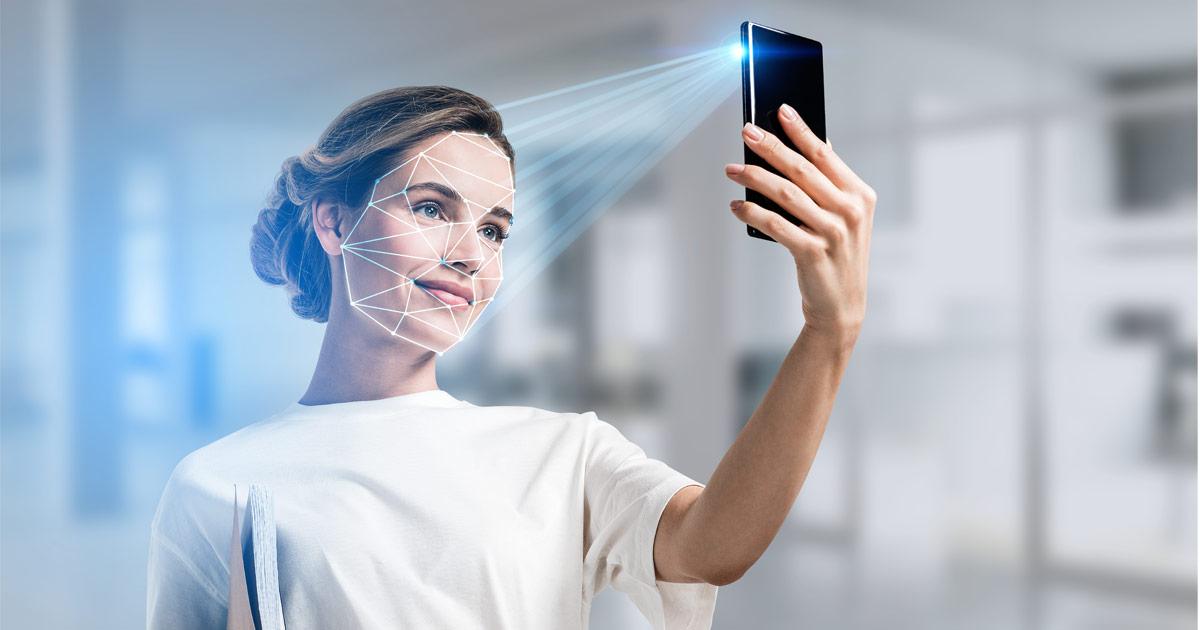
A strategic and in-depth Biometrics-as-a-Service Market Analysis reveals an industry fueled by the powerful combination of security needs and user convenience, yet one that must navigate a minefield of privacy concerns and technical challenges. The market's fundamental strength lies in its ability to provide a superior alternative to passwords, offering authentication that is both more secure and significantly easier to use. The opportunities for growth are immense, driven by the digitalization of all industries and the integration of biometrics into everything from payments to healthcare. However, the industry is not without its weaknesses. The accuracy of biometric systems is not perfect, and they can be vulnerable to sophisticated "spoofing" attacks. Furthermore, the industry faces a profound and ever-present threat from public and regulatory backlash over the storage and use of highly sensitive biometric data, making trust and transparency paramount for long-term success.
Core Strengths and Expanding Opportunities
The core strength of the BaaS market is its elegant solution to the long-standing trade-off between security and convenience. Biometrics are inherently more secure than passwords because they are based on "something you are," which is much harder to steal or forge than "something you know." At the same time, they are far more convenient; a user can authenticate with a quick glance or a touch, eliminating the friction of remembering and typing complex passwords. This powerful dual benefit opens up a vast landscape of opportunities. The growth of the Internet of Things (IoT) presents a massive opportunity, with biometrics being used to secure everything from smart homes and connected cars to industrial equipment. The ongoing boom in digital payments and FinTech is another huge growth area, as biometrics provide a seamless and secure way to authorize transactions. As our digital and physical worlds become more intertwined, the opportunity to use biometrics as a universal key for secure, personalized access will continue to expand exponentially.
Inherent Weaknesses and Restraints: The Challenge of Accuracy and Spoofing
Despite their strengths, biometric systems are not infallible, and this presents a key weakness for the industry. The accuracy of a biometric system is measured by two key metrics: the False Acceptance Rate (FAR), where an imposter is incorrectly authenticated, and the False Rejection Rate (FRR), where a legitimate user is incorrectly denied access. While modern algorithms are incredibly accurate, they are not perfect, and a high FRR, in particular, can lead to a very frustrating user experience. A more significant technical challenge is the threat of "spoofing" or "presentation attacks." This involves an attacker trying to fool the biometric sensor with a fake artifact, such as a high-resolution photo for a facial recognition system, a gummy finger for a fingerprint scanner, or a voice recording for a voice authentication system. To combat this, BaaS providers must invest heavily in sophisticated "liveness detection" and "anti-spoofing" technologies that can differentiate between a live human and a fake artifact, a constant and evolving technical arms race.
The Existential Threat: Privacy, Data Security, and Public Trust
The single greatest and most existential threat to the BaaS market is the profound public and regulatory concern over the privacy and security of biometric data. A stolen password can be changed, but a stolen fingerprint or facial template is compromised forever. This makes biometric data one of the most sensitive forms of personally identifiable information (PII). A major data breach at a BaaS provider that exposes millions of biometric templates could have catastrophic and irreparable consequences for the individuals affected and for the entire industry. This places an immense responsibility on BaaS providers to implement the most robust security and encryption measures possible. Furthermore, the use of biometric technology, particularly facial recognition, for surveillance by governments raises deep ethical questions and fears of a "Big Brother" society. The industry must navigate these privacy concerns with extreme transparency and champion ethical use cases, as a loss of public trust could lead to strict regulations or outright bans that could cripple the market.
Explore More Like This in Our Regional Reports:
Spain Artificial Intelligence Market

 English
 Arabic
 Spanish
 Portuguese
 Deutsch
 Turkish
 Dutch
Dutch
 Italiano
 Russian
 Romaian
 Portuguese (Brazil)
 Greek
Greek
