


How Businesses Can Plan Finance and Tax Better During Expansion
Business expansion sounds exciting, but it usually comes with higher costs. A company may need new machinery, additional working capital, a larger production unit or fresh investment in technology.
At this stage, businesses often focus only on arranging funds. But good expansion planning should also include financing costs, available government support and the impact of GST on business cash flow.
Understanding these areas before making a major investment can make financial planning much clearer.
Why Loan Interest Matters in an Expansion Project
Many businesses use term loans to finance machinery, equipment or other capital expenditure. While the loan helps fund the project, interest payments can become a significant recurring cost.
For this reason, eligible businesses may explore interest cost support for business expansion while evaluating their financing options.
The important point is not to assume that every loan or investment automatically qualifies. Government incentive schemes usually have their own eligibility conditions, investment requirements, timelines and documentation rules.
Businesses should therefore review the applicable scheme before finalising the financial structure of the project.
Look Beyond the Initial Cost of Machinery
Suppose a manufacturer plans to purchase new machinery to increase production.
The business will naturally consider:
- Machinery price
- Installation cost
- Loan amount
- Interest rate
- Expected production increase
- Revenue potential
But these are not the only financial factors.
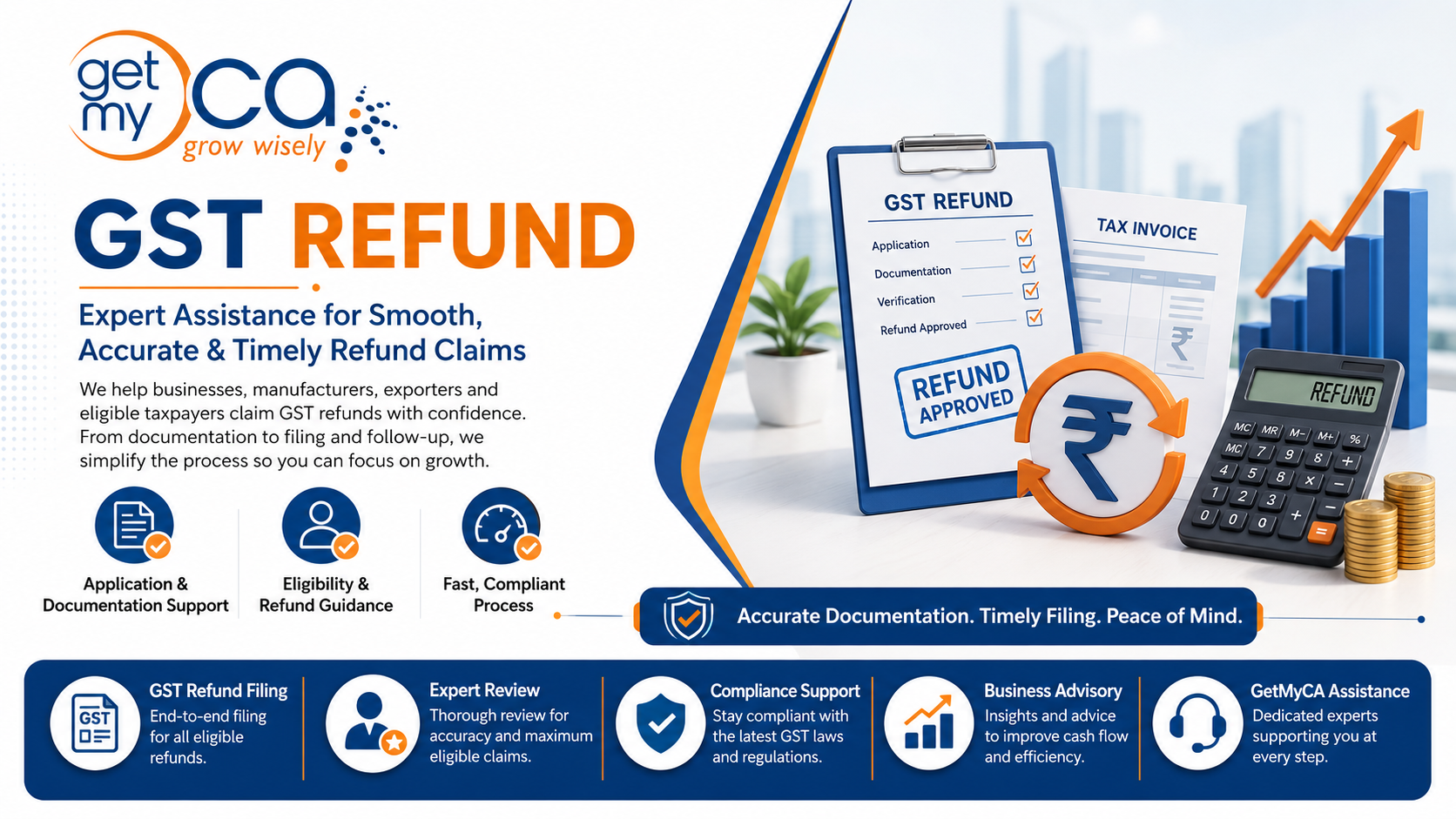
GST paid on purchases and the availability of Input Tax Credit can also affect working capital. Depending on the nature of the business and transactions, eligible taxpayers may also need to understand GST refund planning for accumulated tax credit.
Looking at financing and GST together gives management a better view of the actual cash requirement of the project.
Why Cash Flow Planning Is Important
A business can be profitable on paper and still face cash flow pressure.
For example, money may be tied up in machinery purchases, inventory, receivables or accumulated tax credits while loan instalments and operating expenses continue.
That is why expansion planning should answer a few practical questions:
- How much money will be required initially?
- How much will be financed through a loan?
- What will be the regular interest burden?
- Is any government support potentially available?
- How will GST affect working capital?
- How long will the business take to generate additional revenue?
These questions help businesses understand whether the proposed expansion is financially comfortable.
Keep Documentation Ready From the Beginning
Government schemes and GST-related processes generally depend heavily on documentation.
Businesses planning a major investment should maintain organised records such as:
- Machinery quotations
- Purchase invoices
- Loan sanction documents
- Payment records
- GST invoices
- GST return data
- Project cost details
- Financial statements
- Applicable registrations and approvals
Maintaining proper records from the beginning is much easier than collecting them later when an application or claim needs to be prepared.
Do Not Plan an Investment Only Around a Subsidy
A government incentive can improve the financial feasibility of a project, but it should not be the only reason for making an investment.
The machinery or expansion should first make commercial sense for the business.
Management should evaluate whether the investment can improve production, reduce costs, increase capacity or create new revenue opportunities. Any available financial support should then be considered as an additional part of the project planning.
Finance and Tax Teams Should Work Together
In many businesses, financing decisions and GST compliance are handled separately.
During a large expansion project, however, both areas are closely connected.
The finance team may be evaluating loan costs and repayment schedules, while the tax team is reviewing invoices, Input Tax Credit and GST implications.
Coordinating these decisions early can help the business understand the complete financial impact of the investment rather than looking at individual costs separately.
Final Thoughts
Business expansion requires more than arranging money and purchasing machinery.
A well-planned project should consider investment cost, financing, interest burden, government incentives, GST impact and future cash flow together.
When these areas are reviewed before the investment is finalised, businesses can make more informed decisions and keep their financial and compliance responsibilities easier to manage.

 English
 Arabic
 French
 Spanish
 Portuguese
 Deutsch
 Turkish
 Dutch
 Russian
 Romaian
 Portuguese (Brazil)
 Greek
