


Mimosa Hostilis Root Bark: A Natural Botanical Material
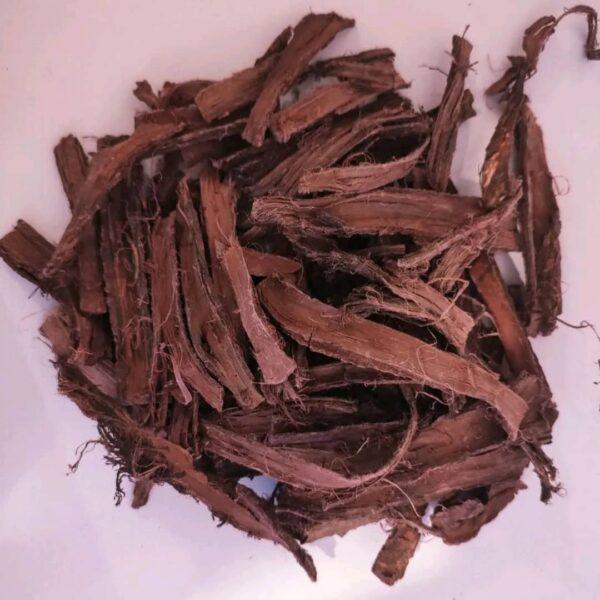
Natural plants have been used by different cultures for centuries, and many continue to attract attention because of their unique properties and traditional history. Mimosa Hostilis Root Bark is one botanical material that has gained interest among people who study natural plants and traditional plant materials. The plant is commonly associated with the scientific name Mimosa tenuiflora, while Mimosa hostilis is a name that has been widely used in older references.
What Is Mimosa Hostilis?
Mimosa tenuiflora is a small tree or shrub belonging to the legume family. It is naturally found in parts of Mexico, Central America, and South America, with a strong connection to northeastern Brazil. The plant is known for its ability to grow in dry and challenging environments.
Its natural strength makes it an interesting subject for botanical research. The plant can develop in areas with limited rainfall and is well suited to seasonal climates. It also plays a role in local ecosystems by growing in areas where other plants may find conditions more difficult.
The name Mimosa hostilis is still commonly used when people discuss this plant, especially in historical and ethnobotanical literature. However, Mimosa tenuiflora is the accepted scientific name used by modern botanical sources.
Root Bark as a Botanical Material
The root bark is the outer layer of the plant's roots. Once collected and properly dried, it becomes a natural plant material that can vary in color, texture, and appearance. Depending on how it is processed, root bark may be available as larger pieces, chips, or a ground botanical material.
Natural plant materials can show differences from one batch to another. Factors such as the age of the plant, growing conditions, harvesting methods, drying, and storage can all affect the final appearance.
For this reason, anyone interested in botanical materials should pay attention to proper identification and sourcing. Knowing the scientific name of the plant can also make it easier to find reliable information and distinguish it from other species with similar common names.
Natural Growth and Environment
One of the most interesting features of Mimosa tenuiflora is its ability to adapt to difficult environments. The plant is particularly associated with northeastern Brazil, where the Caatinga region has a dry climate and irregular rainfall.
Plants that survive in these conditions need to be naturally resilient. Mimosa tenuiflora has developed characteristics that allow it to grow through seasonal changes in moisture and temperature. Its ability to establish itself in disturbed areas also makes it an important part of the local plant environment.
The species can also contribute to soil improvement because it belongs to the legume family. Like other members of this family, it has a relationship with soil microorganisms that can contribute to nitrogen cycling.
Traditional History
Mimosa tenuiflora has a long history of traditional use in parts of Latin America. Various parts of the plant have been mentioned in ethnobotanical and traditional plant-use records.
This history has contributed to modern interest in the species. Researchers studying traditional plants often examine how communities have interacted with native vegetation and how particular plants became part of local practices.
However, traditional use and modern scientific evidence are not always the same. Historical references can provide valuable information about cultural practices, but they should not automatically be considered proof that a plant can treat a particular medical condition.
Why Quality and Identification Matter
When purchasing or studying any botanical material, quality and correct identification are important considerations. Natural products can differ considerably depending on their origin and how they have been handled.
A reliable botanical source should provide clear information about the plant, its identity, and the form of the material. Proper storage is also important because moisture, heat, and unsuitable conditions can affect dried plant materials over time.
For researchers and botanical enthusiasts, learning about the plant before obtaining any material can provide a better understanding of its background and characteristics.
Understanding Mimosa Hostilis Root Bark
The interest surrounding Mimosa Hostilis Root Bark comes from the plant's natural history, geographical origins, and long-standing connection with traditional botanical knowledge. From its ability to survive dry environments to its place in ethnobotanical literature, Mimosa tenuiflora is a plant with a distinctive background.
Understanding the difference between its historical name and accepted scientific name can also make research easier. Whether someone is interested in plant identification, natural materials, or the history of traditional plants, learning about Mimosa tenuiflora provides useful botanical context.
As interest in natural plant materials continues to grow, responsible sourcing and accurate information remain important. A clear understanding of a plant's origins, characteristics, and history helps people approach botanical materials with greater knowledge and care.

 English
 Arabic
 French
 Spanish
 Portuguese
 Deutsch
 Turkish
 Dutch
Dutch
 Italiano
 Russian
 Romaian
 Greek
Greek
