


How Mold Design Influences Concrete Sample Quality
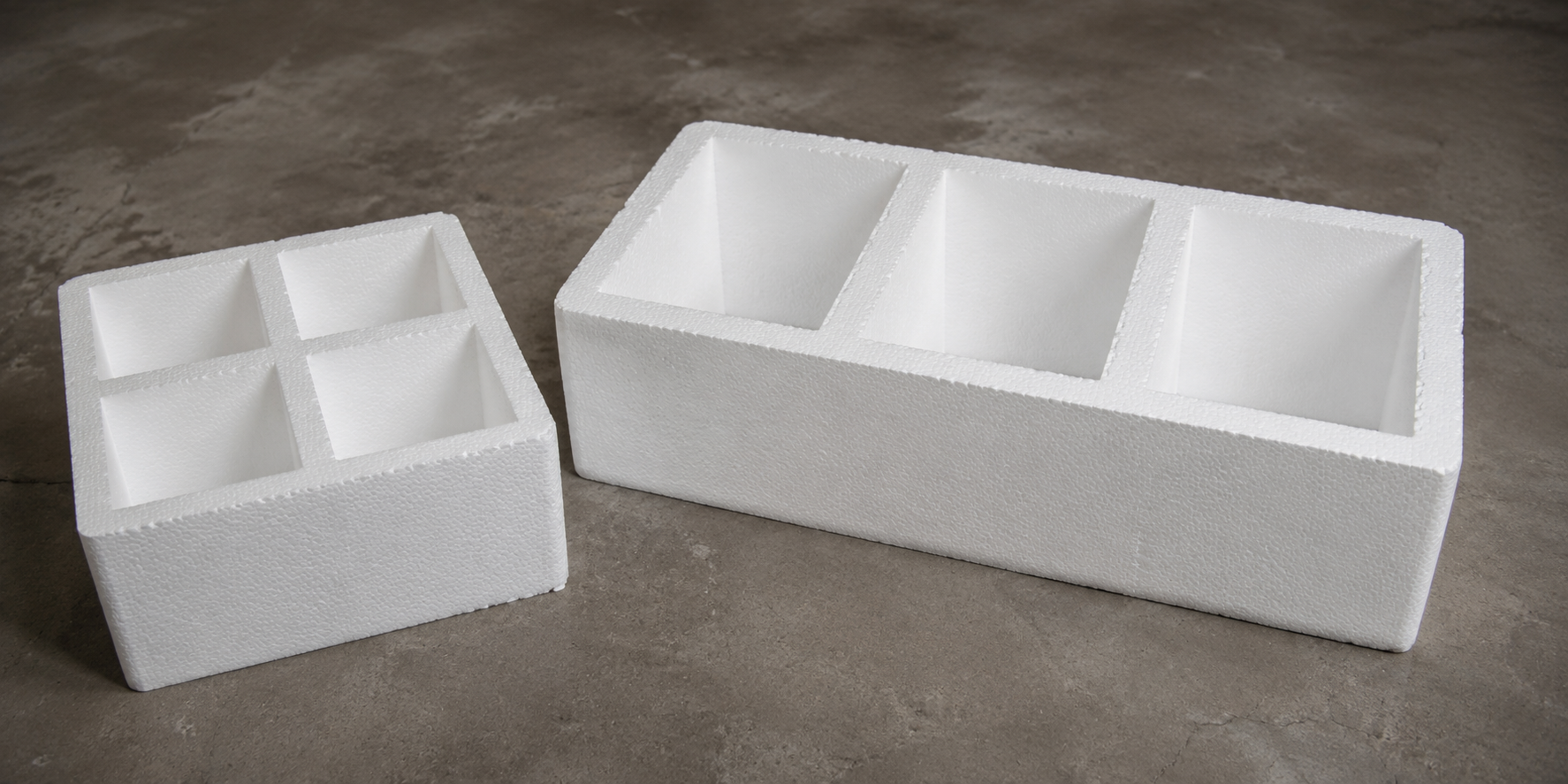
Concrete quality assurance relies heavily on accurate, repeatable testing procedures that verify structural integrity before, during, and after construction projects. Structural engineers and materials technicians depend on compressed specimen samples to determine whether concrete batches satisfy strict load bearing requirements and European standards. High precision sampling guarantees that structural elements like beams, columns, foundation slabs, and precast panels operate safely throughout their intended lifespan.
Modern construction sites require rapid sampling protocols to keep pace with continuous concrete pours and tight project timelines. Traditional heavy metal equipment often creates logistical bottlenecks when technicians must collect dozens or hundreds of test specimens across sprawling job sites. Transporting bulky tooling back to field laboratories slows down productivity, increases labor fatigue, and introduces unnecessary operational costs during site quality audits.
When site teams need a lightweight and cost efficient sampling method, using a high density polystyrene mould simplifies the sample preparation process without compromising dimensional precision. Capco provides these high grade single use testing solutions through capco.co.uk to help civil engineers, readymix suppliers, and independent testing laboratories streamline their daily quality control routines. Selecting the correct specimen casting tools directly impacts compressive strength evaluation accuracy and project compliance.
Understanding the Importance of Concrete Compressive Strength Testing
Compressive strength testing serves as the baseline measurement for verifying concrete mix design specifications on active jobsites. Fresh concrete samples are cast into standardized geometric shapes, cured under controlled ambient conditions, and subjected to hydraulic compression until structural failure occurs. The maximum load sustained by the specimen indicates the compressive resistance of the entire concrete batch, ensuring that the material meets specified megapascal pressure ratings.
Failing to verify concrete strength can lead to catastrophic structural vulnerabilities, costly reconstruction delays, and severe legal liabilities. Quality control technicians systematically cast concrete test specimens at predetermined volume intervals during major pours. Establishing a uniform sampling regime guarantees that structural engineers can identify substandard concrete batches early, protecting structural integrity and maintaining project compliance across commercial and residential developments.
Standards and Compliance for 100mm Concrete Test Cubes
Concrete testing across the United Kingdom and Europe must adhere strictly to established testing standards such as BS EN 12390-1 and BS EN 12390-2. These regulations outline precise geometric dimensions, surface flatness tolerances, perpendicularity parameters, and curing environments required for valid compressive strength assessment. Standard cube sizes typically include 150mm specimens for large aggregate mixes and 100mm specimens for standard or fine aggregate concrete mixes.
Using standardized 100mm cube forms allows testing laboratories to evaluate high performance concrete mixes efficiently. Smaller specimens require less material per test, reduce overall sample weight, and allow laboratory technicians to perform high volume testing runs. Compliance with international standard guidelines ensures that test results remain legally defensible, reproducible, and comparable across different laboratories and field testing environments.
Advantages of Single Use Polystyrene Moulds Over Heavy Steel Equipment
Traditional cast iron or steel cube molds offer durability but present significant operational drawbacks on busy construction environments. Metal tooling requires manual assembly, internal surface oiling, labor intensive stripping, and rigorous mechanical cleaning after every single sampling iteration. Over time, metal molds can suffer from surface pitting, corrosion, bolt wear, and physical warping, which distorts sample geometry and compromises test accuracy.
Disposable expanded polystyrene forms eliminate the need for surface release agents, mechanical disassembly, and post test cleaning routines. They provide excellent thermal insulation properties during early stage cement hydration, protecting delicate young concrete specimens from ambient temperature swings and frost damage. Lightweight synthetic construction allows field technicians to transport bulk quantities easily, drastically improving site productivity and minimizing physical strain during large scale concrete sampling operations.
Features of the 100mm Polystyrene Cube Mould Boxed Sets
The 100mm polystyrene cube mould boxed set available through capco.co.uk is engineered specifically for commercial site applications where efficiency and consistency are paramount. Packaged conveniently in bulk cartons of 125 units, these single use containers provide an economical supply line for ongoing quality assurance programs. Each unit is manufactured to tight dimensional tolerances, ensuring that every cast cube meets shape accuracy criteria required by standard laboratory compression testing rigs.
The high density expanded polymer structure resists deformation under the weight of wet concrete during hand tamping or mechanical vibration table compaction. Rigid sidewalls preserve perfect internal right angles, while the smooth synthetic interior surface allows clean separation without sticking. Packaging in boxed sets of 125 ensures that material stores, testing agencies, and site laboratories maintain adequate stock levels for intensive structural pours.
Step by Step Procedure for Casting Concrete Cubes in Polystyrene Forms
Achieving accurate compressive test results requires consistent execution during the fresh concrete sampling phase. Technicians must collect representative concrete samples from readymix truck discharges in accordance with standard sampling procedures before filling test containers.
Prepare and Inspect the Disposable Mould
Inspect the single use polymer form to verify that the internal faces are free from construction debris or moisture buildup. Place the lightweight container on a stable, flat surface to prevent rocking or movement during the compaction phase. Unlike traditional metal equipment, synthetic forms do not require chemical mould release oil prior to filling.
Layer and Compact Fresh Concrete
Fill the 100mm cube container with fresh concrete using an appropriate sampling scoop. For 100mm forms, fill the container in two equal layers, compacting each layer thoroughly with a standard tamping rod or vibrating table. Apply a consistent number of tamping strokes per layer to eliminate trapped air voids and achieve maximum density throughout the specimen matrix.
Level the Top Surface and Store for Curing
Strike off surplus concrete using a straight edge or steel trowel to create a smooth, level top surface perfectly flush with the rim. Clean any spilled concrete from the exterior rim edges to preserve container geometry. Cover the filled specimen to prevent moisture loss and store it in a temperature stable environment during the initial setting period.
Demoulding and Curing Best Practices for Accurate Testing
Proper handling during the initial 24 hour setting phase is critical for preventing internal micro cracking within fresh concrete specimens. Once the concrete achieves sufficient initial setting strength, the single use polymer shell can be removed quickly by tearing or cutting along designated seam lines. This effortless stripping process avoids the harsh mechanical impacts or compressed air blowing often needed to dislodge cubes from rigid metal frames.
After stripping the synthetic shell, immediate transfer to a regulated water curing tank or moist room maintained at standard temperatures guarantees proper cement hydration. Maintaining relative humidity and constant water bath temperatures prevents premature drying shrinkage, allowing concrete specimens to reach true compressive strength capacity at designated 7 day and 28 day testing intervals.
Comparing Cost Efficiency and Site Logistics in Concrete Testing
Evaluating equipment costs in concrete quality control extends far beyond initial purchase prices. While steel molds are reusable, they incur substantial ongoing costs in manual labor hours spent cleaning, greasing, assembling, and recalibrating worn components. Furthermore, moving heavy steel toolkits across multi storey construction sites increases fuel consumption, transport expenses, and worker fatigue.
Adopting disposable boxed sets of 125 units from capco.co.uk transforms field testing economics. The low unit cost of single use polymer forms combined with zero maintenance labor significantly lowers the total cost per tested sample. Field technicians save time during demoulding and site cleanup, allowing quality control teams to allocate valuable labor hours toward thorough material analysis and documentation.
Why Quality Equipment Sourcing Matters for Construction Testing
Precision testing requires reliable equipment suppliers who understand British and European civil engineering specifications. Capco has established a strong reputation across the construction industry as a dedicated supplier of high quality material testing apparatus, site sampling tools, and laboratory instruments. Partnering with reputable manufacturers ensures that quality managers receive consistently accurate testing products that comply with strict material standards.
From specialized compression machines and slump testing kits to single use specimen containers, sourcing verified equipment from capco.co.uk guarantees reliability across all testing phases. Investing in verified testing consumables prevents test errors, protects construction companies from compliance disputes, and reinforces confidence in structural safety across every built environment.
Frequently Asked Questions
What is the advantage of using a 100mm cube mould over a 150mm mould?
A 100mm cube mould requires significantly less concrete volume per sample, making it lighter to handle and easier to store while remaining fully compliant for concrete mixes with maximum aggregate sizes up to 20mm.
Do polystyrene cube moulds require mould release oil prior to casting?
No, single use polymer forms feature non stick synthetic surfaces that allow quick demoulding without chemical release oils, saving time and keeping samples clean.
How does the boxed set of 125 units benefit large construction projects?
Bulk packaging in sets of 125 provides an immediate, cost effective inventory supply for heavy concrete pours, ensuring site technicians have ample sampling equipment ready without continuous reordering.
Can concrete specimens cast in polystyrene moulds be cured in standard water tanks?
Yes, once the outer single use shell is stripped after initial setting, the bare concrete cubes are transferred directly into temperature controlled water curing tanks for standardized strength development.
Are polystyrene cube moulds compliant with BS EN testing standards?
Yes, manufactured polymer forms from capco.co.uk adhere strictly to dimensional and geometric specifications defined under BS EN 12390 standards for concrete strength testing.
Conclusion
Standardized concrete strength testing remains the primary safeguard for structural reliability across the civil engineering and building construction sectors. Implementing efficient sampling consumables like the 100mm single use polymer cube container set from capco.co.uk optimizes field workflows, reduces labor costs, and maintains standard compliance across every pour.
By replacing heavy maintenance intensive metal tooling with lightweight disposable alternatives, site quality teams achieve dependable test precision while keeping construction schedules running smoothly. Explore the complete range of concrete testing solutions at capco.co.uk to elevate your site sampling standards today.

 English
 Arabic
 French
 Portuguese
 Deutsch
 Turkish
 Dutch
Dutch
 Italiano
 Russian
 Romaian
 Portuguese (Brazil)
 Greek
Greek
