


Choosing a Vacuum Flask for Everyday and Outdoor Use
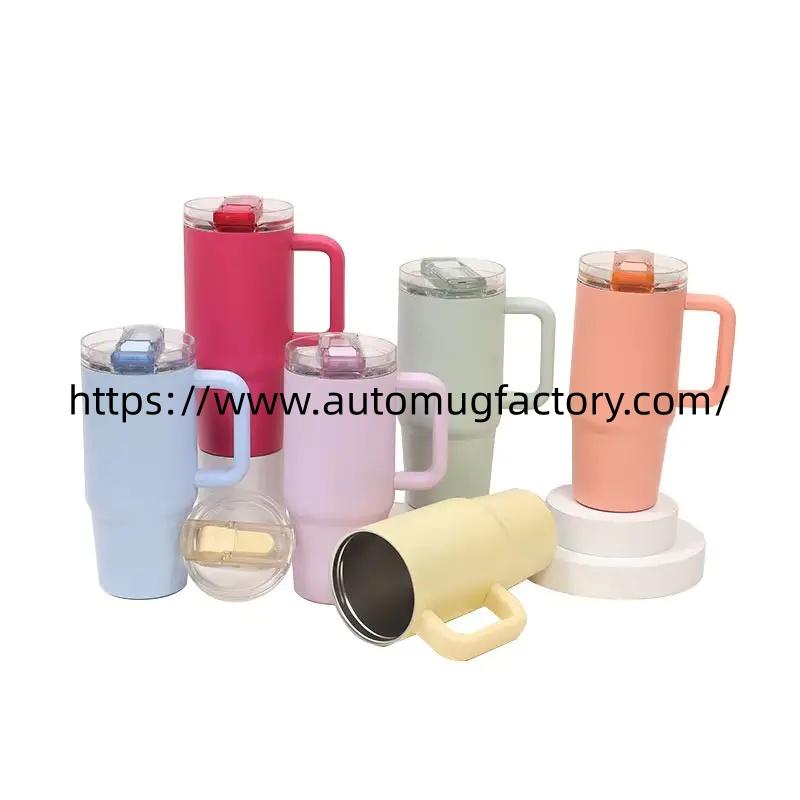
For people who want to carry beverages throughout changing daily environments, a Vacuum Flask can offer a practical combination of portability, insulation, durability, and reusable design. Its effectiveness depends on how the body, inner container, vacuum structure, lid, seals, and exterior finish work together. For manufacturers and buyers, evaluating these elements as a complete product can lead to more suitable choices for commuting, travel, outdoor activities, and workplace use.
Material selection is the foundation of flask construction. Stainless steel is commonly used because it offers a stable structure, a clean appearance, and suitability for reusable drinkware. Other materials can also appear in supporting components, including lids, seals, handles, grips, and decorative elements. Each material needs to be selected according to its role within the finished product rather than simply for appearance.
The inner surface deserves careful attention because it comes into direct contact with beverages. A well-finished interior can make cleaning easier and help reduce the retention of unwanted odors or residues. The material should also be compatible with the types of drinks expected during everyday use. Product developers should consider both beverage contact and repeated cleaning when evaluating interior construction.
The outer body has a different purpose. It needs to provide structural support while creating a comfortable surface for handling. Surface finishing can influence grip, appearance, and resistance to everyday marks. Brushed, polished, matte, and coated finishes can create different visual and tactile experiences, allowing manufacturers to adapt a flask to various consumer preferences.
The insulation structure is one of the defining features of this type of drinkware. A vacuum layer between the inner and outer walls helps reduce heat transfer, allowing the container to better maintain the condition of its contents. However, the insulation effect depends on the complete construction, including the body, neck, lid, and sealing areas. Product developers should therefore examine the entire system rather than treating the vacuum layer as an isolated feature.
When selecting a flask, the intended usage scenario should come first. Office users may prefer a clean appearance and convenient drinking mechanism, while travelers may focus more on portability and secure closure. Outdoor users can place greater emphasis on robust handling and resistance to environmental exposure. Matching construction with routine use helps prevent unnecessary features from making the product more complicated.
The lid is particularly important because it combines functionality with safety and convenience. A well-designed closure should be simple to open, secure during transportation, and practical to clean. Different users may prefer screw closures, drinking openings, push mechanisms, or removable components. The best choice depends on how frequently the flask is opened and the environment in which it is used.
Sealing components also influence the overall experience. Gaskets and other sealing elements need to fit accurately with the body and lid. Poor coordination between components can make opening difficult or reduce confidence during transportation. At the same time, excessive complexity can make cleaning more demanding, so designers should look for a practical balance between secure closure and maintenance.
Manufacturing technology contributes significantly to flask quality. Production may involve metal forming, deep drawing, welding, vacuum processing, polishing, coating, component assembly, and inspection. Each stage can influence the appearance, structure, and functionality of the finished product. Careful coordination between manufacturing steps helps maintain consistency across the complete assembly.
Welding is especially relevant in metal drinkware because joining areas can affect both structural reliability and visual quality. A controlled process can help create clean transitions and reduce visible irregularities. Subsequent polishing or surface treatment can further refine the appearance while supporting the desired product identity.
Quality control should extend across the entire production process. Raw materials can be inspected before processing, while forming, welding, finishing, and assembly can be monitored during manufacturing. Finished products can then be checked for surface condition, component fit, closure operation, and overall construction. Consistent inspection helps manufacturers identify issues before products reach users.
User experience also depends on ergonomics. The body shape should feel natural in the hand, while the lid should be easy to operate without excessive effort. A stable base can make placement more convenient on desks, kitchen counters, vehicle surfaces, and outdoor equipment. The relationship between these components determines how naturally the flask fits into daily routines.
Portability is another factor that deserves attention. A flask may travel inside a backpack, work bag, vehicle, or outdoor gear. A carefully designed body can make it easier to store and carry without creating unnecessary bulk. Grip surfaces, handles, protective sleeves, and base structures can further influence how the product behaves during transportation.
Cleaning convenience is closely related to user satisfaction. Beverage containers may include multiple components that collect residues, especially around lids and seals. Designs that allow users to access these areas easily can simplify routine maintenance. Removable components can be useful when they are designed for straightforward assembly and cleaning.
The choice of surface finish can also affect everyday maintenance. Highly polished surfaces may provide a refined appearance, while textured or matte finishes can offer a different tactile experience. Manufacturers should consider how fingerprints, stains, scratches, and cleaning routines may affect the appearance over time.
Design and appearance allow manufacturers to position the same basic product concept for different markets. A minimalist flask may suit professional settings, while a more expressive design can appeal to lifestyle and outdoor users. Body contours, color, texture, decorative patterns, and surface treatments can all contribute to product identity.
Customization is particularly useful for brands developing drinkware for a specific audience. Custom body shapes, lid designs, colors, finishes, logos, and packaging can create a distinctive product. Successful customization requires close cooperation between designers and manufacturers so that aesthetic choices remain compatible with production processes and practical use.
Yongkang Xiaoyu Industry & Trade Co., Ltd. has experience in reusable drinkware manufacturing and product development. Its capabilities reflect the importance of coordinating material selection, forming technology, finishing, assembly, and design when developing insulated beverage containers. For businesses sourcing customized drinkware, evaluating manufacturing experience, material management, quality control, finishing capabilities, and product development support can provide useful guidance.
The relationship between components should remain central throughout development. The body, vacuum structure, lid, gasket, base, grip, and surface finish all contribute to the final experience. A change in one component can affect another, which makes coordinated product development especially valuable when creating customized drinkware.
For businesses developing insulated beverage containers, examining material quality, vacuum construction, closure design, manufacturing processes, cleaning convenience, portability, ergonomics, surface treatment, and visual identity can support more thoughtful product development. Yongkang Xiaoyu Industry & Trade Co., Ltd. provides further information about its drinkware products and manufacturing capabilities through its official website: https://www.automugfactory.com

 English
 Arabic
 French
 Spanish
 Portuguese
 Turkish
 Dutch
Dutch
 Italiano
 Russian
 Romaian
 Portuguese (Brazil)
 Greek
Greek
