


Why EPCG Should Be Reviewed Before Finalising Machinery Procurement
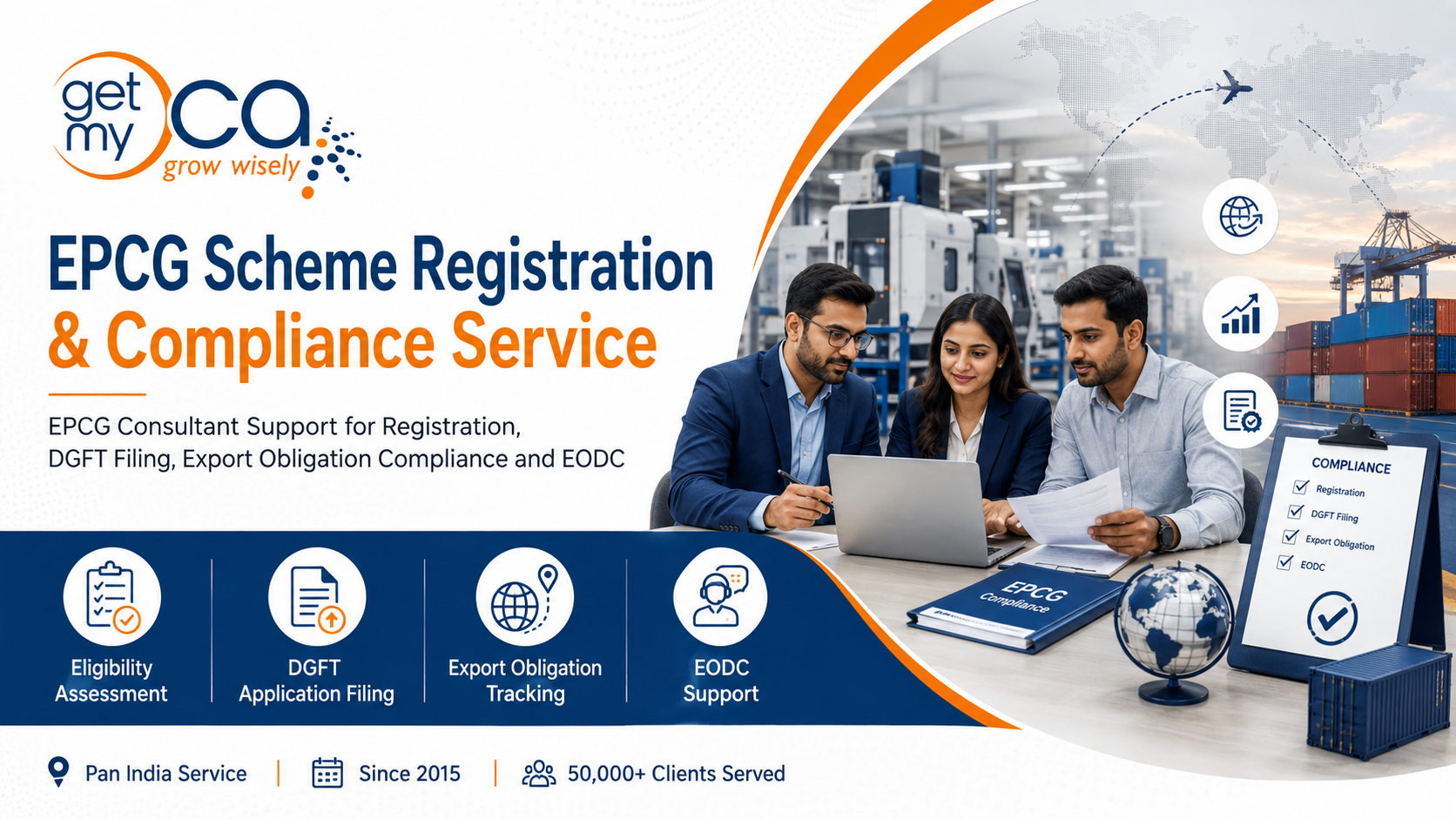
For manufacturers and exporters, machinery investment is rarely a small decision. A new production line, upgraded equipment, automation system, or replacement machine can affect production capacity, cash flow, export potential, and long-term operating costs.
Because of this, businesses should not look at machinery procurement only from the commercial side. Regulatory and export-related planning should also be considered before the transaction is finalised.
Machinery Planning and Export Strategy Should Move Together
Export-oriented businesses often purchase machinery to increase output, improve product quality, reduce production time, or meet the requirements of overseas buyers.
Before proceeding with a major capital purchase, management should evaluate whether the proposed machinery supports existing or expected export activity.
Businesses considering the Export Promotion Capital Goods framework should also understand EPCG authorisation and export compliance planning before committing to the final purchase.
The scheme involves more than obtaining an authorisation. Export obligation, documentation, installation requirements, and future compliance also need to be considered as part of the overall decision.
Why Timing Matters in EPCG Cases
The timing of the review can significantly affect how a machinery transaction is structured.
If a business starts evaluating EPCG only after the machine has already been ordered or purchased, some planning opportunities may no longer be available. This is particularly relevant where machinery details, supplier information, technical specifications, or procurement route need to align with regulatory documentation.
A more organised approach is to review eligibility and documentation while the machinery purchase is still at the planning stage.
Important Information to Review Before Procurement
Manufacturers should keep the following information ready when evaluating a machinery investment:
- Machinery description and specifications
- Supplier quotation or proforma invoice
- Expected installation location
- Existing export performance
- Proposed export products
- IEC and business details
- Purchase value and financing structure
- Expected production capacity
- Implementation timeline
Keeping this information organised can make the overall assessment more practical and reduce inconsistencies later.
Why Specialist Review Can Be Useful
EPCG cases may differ depending on the nature of the exporter, type of machinery, procurement route, export performance, and applicable compliance requirements.
Businesses planning significant capital expenditure may therefore consider machinery-focused EPCG advisory support while evaluating the transaction.
The purpose of such review should be to understand whether the machinery and export profile fit within the applicable framework, what documentation may be required, and what future obligations the business will need to manage.
Export Obligation Is a Long-Term Consideration
One of the most important aspects of EPCG planning is the export obligation connected with the benefit.
Businesses should not evaluate the scheme only on the basis of immediate duty-related savings. They should also consider whether expected future exports are sufficient to support the applicable obligation.
This makes sales forecasts, export history, production capacity, and market demand important elements of the decision.
Documentation Should Remain Consistent
Machinery-related applications can involve several documents prepared at different stages.
Businesses should try to maintain consistency in:
- Machinery name
- Technical specifications
- Quantity
- Value
- Supplier details
- Installation location
- Export product information
Major differences between documents can create unnecessary clarification requirements later.
Final Thoughts
EPCG can be relevant for eligible exporters planning capital goods investment, but it should be reviewed as part of a wider machinery and export strategy.
Early planning helps businesses understand eligibility, documentation, export obligation, and future compliance before major financial commitments are made. This allows manufacturers to approach machinery procurement with greater clarity and better internal preparation.

 English
 Arabic
 Spanish
 Portuguese
 Deutsch
 Turkish
 Dutch
Dutch
 Italiano
 Russian
 Romaian
 Portuguese (Brazil)
 Greek
Greek
