


Dental CBCT Scan: What to Expect
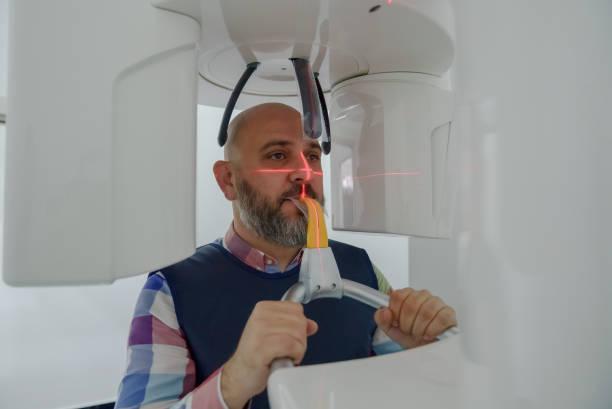
A Dental CBCT Scan in Dubai is a modern imaging method that creates detailed three-dimensional views of the teeth, jawbone, roots, and surrounding oral structures. If your dentist has recommended this scan, knowing what happens before, during, and after the imaging can help you feel more comfortable and prepared.
CBCT stands for cone beam computed tomography. The technology captures multiple images from different angles and combines them digitally to produce a detailed 3D image. This can give your dentist information that may not be available from a conventional dental X-ray.
Why Might Your Dentist Recommend a CBCT Scan?
A dentist may recommend CBCT imaging when more detailed information is needed to assess a dental concern. It can be useful for evaluating impacted teeth, complex root structures, jawbone anatomy, or planning certain dental procedures.
The scan is not automatically required for every patient. Your dentist will consider your symptoms, clinical examination, previous imaging, and the specific information needed before deciding whether CBCT is appropriate.
Choosing the Right Dental Clinic
Selecting an experienced Dental Clinic can make the imaging process easier and more informative. A qualified dental team can explain why the scan is recommended, identify the appropriate area to examine, and answer your questions before the appointment.
A professional consultation also allows your dentist to review your dental history and determine whether a standard X-ray provides enough information or whether three-dimensional imaging would be more useful.
Do You Need Special Preparation?
In many cases, a dental CBCT scan requires little or no special preparation. Your dental team will provide any instructions that apply to your specific scan.
You may be asked to remove jewelry, glasses, or other metal objects that could interfere with the images. It is also important to inform your dentist about relevant medical circumstances, including pregnancy or the possibility of pregnancy.
Following the instructions provided by your dental team can help ensure the imaging process goes smoothly.
What Happens During the Scan?
Before imaging begins, you will be positioned carefully so the equipment can capture the required area. Depending on the type of CBCT machine, you may sit or stand during the scan.
The machine rotates around your head while capturing multiple images. You will need to remain still during this process because movement can affect the quality of the final images.
The scanning itself is generally quick, and the dental team will guide you throughout the process.
Does a CBCT Scan Cause Pain?
CBCT imaging is non-invasive and does not normally cause pain. There are no injections, cuts, or instruments placed inside the extraction site or other oral tissues simply for the purpose of capturing the images.
Some patients may feel slightly uncomfortable because they need to remain still for a short time, but the imaging process itself is generally straightforward.
What Can the Scan Show?
A CBCT scan can provide detailed three-dimensional information about teeth, roots, jawbone, impacted teeth, and certain surrounding anatomical structures.
This can be particularly helpful when a dentist needs to understand the exact position of a tooth or root. It can also provide useful information for implant planning and the assessment of complex dental anatomy.
Can CBCT Be Used for Dental Implants?
Three-dimensional imaging can be valuable when planning dental implants. Before an implant is placed, the dentist needs to evaluate the available bone and understand the surrounding anatomy.
A CBCT image can provide detailed information about the proposed implant area and help the dental professional assess the jawbone and nearby structures. This can support careful planning based on the patient's individual anatomy.
What About Impacted Wisdom Teeth?
CBCT imaging can also be useful when a wisdom tooth is impacted or positioned close to other important structures. A three-dimensional image can show the orientation of the tooth and its relationship with surrounding bone and neighboring teeth.
This additional information may help the dentist understand the complexity of the case and plan the appropriate approach.
How Long Does the Appointment Take?
The actual scanning process is generally completed quickly. However, the complete appointment may take longer because your dental team may need to review your concerns, position you correctly, and make sure the images are suitable.
The exact time depends on the equipment, area being scanned, and purpose of the examination.
What Happens After the Scan?
Once the images have been captured, your dentist can review the resulting three-dimensional information. The findings are considered alongside your symptoms, dental history, and clinical examination.
Your dentist can then explain what the images show and whether any further assessment or dental care is recommended.
Is Dental CBCT Safe?
CBCT uses X-rays, meaning there is some radiation exposure. Dental professionals generally recommend it when the additional information is expected to provide a meaningful diagnostic or planning benefit.
The radiation exposure varies depending on the equipment and scanning area. Always inform your dental professional if you are pregnant or may be pregnant before undergoing X-ray-based imaging.
Final Thoughts
Knowing what to expect can make a Dental CBCT Scan feel much simpler. The process is generally quick, non-invasive, and designed to provide detailed three-dimensional information when your dentist needs a closer look at your teeth, roots, jawbone, or surrounding structures. Following your dental team's instructions and asking questions about the purpose of the scan can help you feel prepared and confident about your dental care.

 Arabic
 French
 Spanish
 Portuguese
 Deutsch
 Turkish
 Dutch
Dutch
 Italiano
 Russian
 Romaian
 Portuguese (Brazil)
 Greek
Greek
