


Candida Test: How Long Do Results Take?
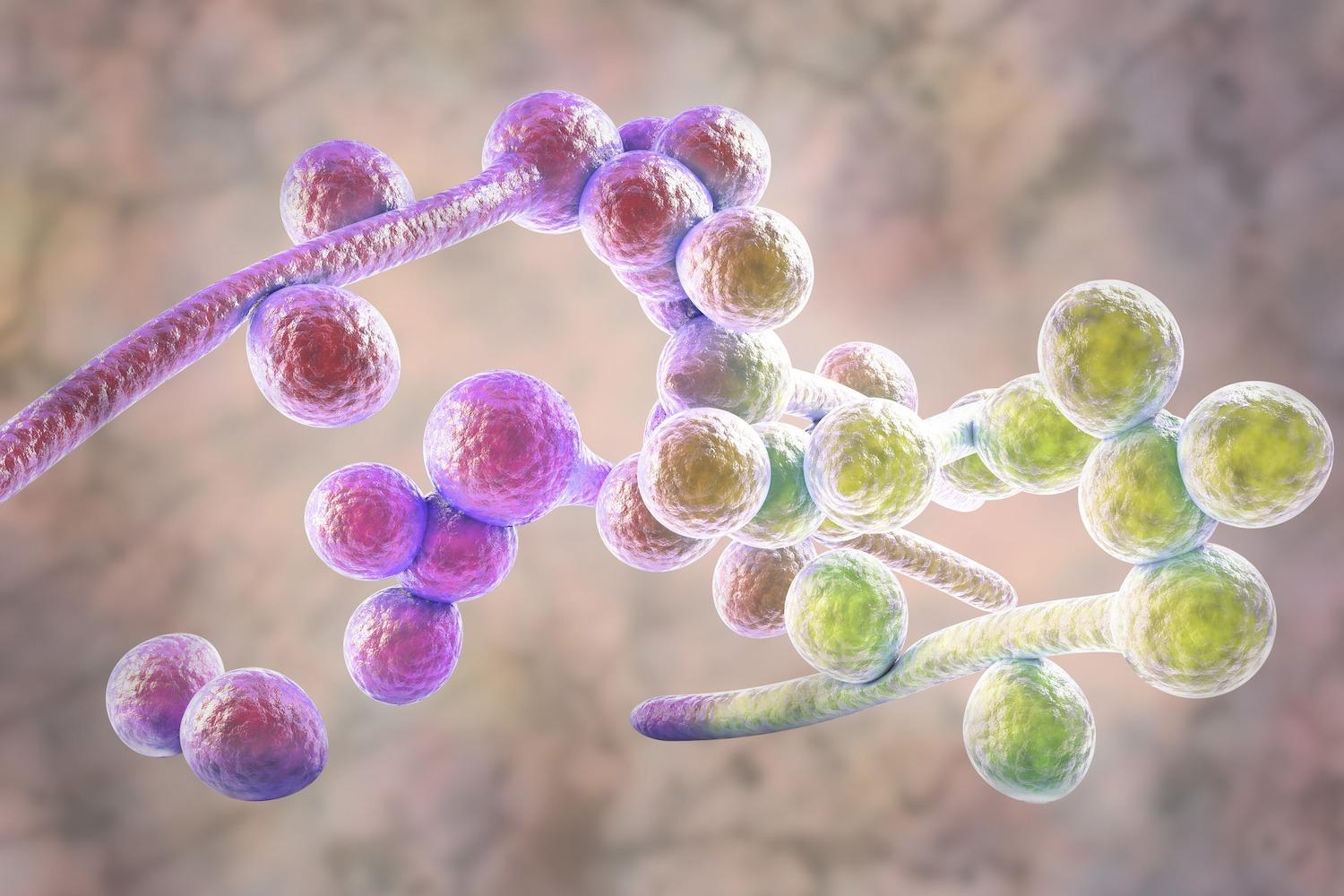
If you have symptoms that may be related to a fungal infection, you may wonder how quickly you can receive your test results. A Candida Test in Dubai can involve different testing methods, and the time required to receive a result depends on the type of sample, laboratory method, and whether additional identification is required.
Some Candida tests may provide findings relatively quickly, while others, particularly cultures, can take longer because the laboratory needs time to determine whether the organism grows. Understanding the testing process can help you know what to expect after providing a sample.
What Is a Candida Test?
A Candida test is a laboratory investigation used to determine whether Candida is present in a clinical specimen. Candida is a type of yeast that can naturally exist on or inside the body without causing an infection.
When symptoms suggest candidiasis, a healthcare professional may recommend testing to help determine whether Candida is contributing to the problem. The appropriate test depends on the location of the suspected infection and the patient's symptoms.
Testing may involve a swab, microscopy, culture, or another laboratory method.
How Long Does a Candida Test Take?
There is no single turnaround time for every Candida test. Some tests can produce information quickly, while others require additional laboratory processing.
For example, microscopic examination may provide findings sooner because the specimen is examined directly. A culture generally takes longer because the laboratory needs time to allow organisms to grow and then identify them.
If additional testing is required, the overall turnaround time may be longer.
The laboratory performing the test can provide the most accurate expected timeframe for a specific test.
How Long Does a Candida Swab Test Take?
A Candida swab is usually collected quickly during a clinical appointment. The collection itself may only take a short amount of time, although the exact process depends on the sample location.
The time needed to receive the final laboratory result is different from the time required to collect the sample.
After collection, the sample may be examined using microscopy, culture, or another laboratory technique. Therefore, the result may not be available immediately after the swab is taken.
How Long Does Candida Microscopy Take?
Microscopy can sometimes provide findings relatively quickly because the laboratory examines the specimen directly under a microscope.
The exact turnaround time depends on the laboratory's workflow, the type of specimen, and whether additional testing is required.
Microscopy may help identify yeast-like structures, but it may not always determine the specific Candida species. If further identification is necessary, another test may be performed.
How Long Does Candida Culture Take?
Candida culture usually takes longer than direct microscopic examination.
During culture testing, the laboratory provides conditions that allow organisms present in the specimen to grow. If Candida grows, laboratory professionals can examine and identify the organism.
Because growth takes time, culture results may require several days depending on the specimen and laboratory procedure.
If species identification or additional testing is required, the final report may take longer.
Why Do Some Candida Results Take Longer?
Several factors can affect the time needed to receive a Candida result.
The testing method is one of the most important factors. A direct examination may be faster than a culture.
The type of specimen can also affect laboratory processing. A swab from a localized infection may follow a different process from a sample being investigated for a more serious or invasive infection.
Laboratory workload, specimen transportation, additional identification, and the need for confirmatory testing can also influence turnaround time.
Does a Positive Result Take Longer?
Not necessarily.
A positive result can sometimes be reported once the laboratory has sufficient evidence that Candida is present. However, the timing depends on the testing method.
For culture testing, the laboratory may need to wait for growth before reporting the organism. If the laboratory also needs to identify the Candida species, additional processing may be necessary.
A negative culture can also require time because the laboratory may need to observe the specimen for the appropriate period before concluding that the organism was not detected.
Does a Negative Result Take Longer?
The answer depends on the test.
Some negative findings can be available relatively quickly if the testing method allows direct examination. However, cultures may require an observation period before a negative result can be finalized.
This means that waiting for a result does not necessarily indicate that something is wrong. It may simply reflect the laboratory method being used.
What Can Affect Candida Test Results?
Several factors can influence laboratory findings. Recent antifungal treatment may affect whether Candida can be detected in a sample. The timing of specimen collection, sample quality, collection technique, and the body site tested can also matter.
For this reason, patients should tell their healthcare professional about medications or treatments they have recently used.
Following any preparation instructions provided by the healthcare provider or laboratory can also help ensure that the sample is collected appropriately.
Can You Get Same-Day Candida Results?
Some Candida testing methods may provide information faster than others, but same-day availability is not guaranteed.
Whether a result is available on the same day depends on the laboratory, the test method, sample type, and whether additional analysis is necessary.
If receiving results quickly is important, ask the laboratory or healthcare provider about the expected turnaround time before testing.
What Happens After the Results Are Ready?
Once the laboratory completes the analysis, the findings are usually provided in a laboratory report. The report may indicate whether Candida was detected and, depending on the test, may provide additional information about the organism.
A healthcare professional can explain what the result means in relation to your symptoms.
This is important because Candida can sometimes be present without causing disease. A positive laboratory finding does not automatically mean that treatment is necessary in every situation.
What If Your Results Are Negative?
A negative Candida result means that Candida was not detected by the specific test performed.
If symptoms continue, your healthcare professional may consider other possible causes. Symptoms such as itching, irritation, redness, discharge, or discomfort can occur with several different conditions.
Additional evaluation may therefore be recommended when the initial test does not explain the symptoms.
What If Your Results Are Positive?
A positive result means Candida was detected in the tested specimen. Your healthcare professional will consider whether this finding is consistent with an active infection.
The interpretation may depend on your symptoms, physical examination, sample location, and medical history.
If the symptoms are recurrent or treatment has not worked previously, further evaluation may be useful.
Candida Testing and Sexual Health
Candida is not generally classified as a conventional sexually transmitted infection. It can occur without sexual transmission and may develop for various reasons.
However, genital symptoms can overlap with symptoms of sexually transmitted infections. When there has been a relevant sexual exposure, additional testing may be appropriate.
STD Test in Dubai
An STD Test in Dubai evaluates sexually transmitted infections and is different from Candida testing. If genital symptoms develop following a potentially risky sexual exposure, a healthcare professional may recommend appropriate STI testing based on the person's history and symptoms.
A Candida test should not be considered a substitute for STI screening when there is a specific reason to test for sexually transmitted infections.
When Should You Contact a Healthcare Professional?
You should consider professional evaluation if symptoms are persistent, recurrent, severe, unusual, or do not improve with previous treatment.
Repeatedly treating suspected Candida without confirming the cause may delay diagnosis of another condition. A healthcare professional can determine whether Candida testing is appropriate and which testing method is most suitable.
Conclusion
The time required to receive Candida test results depends largely on the laboratory method used. Microscopy may provide information relatively quickly, while culture testing generally requires additional time because the organism must be allowed to grow before identification.
Sample type, laboratory procedures, additional testing, and other factors can also influence turnaround time. If you are considering a Candida Test in Dubai, ask the healthcare provider or laboratory about the expected timeframe for your specific test.
Most importantly, Candida results should be interpreted together with symptoms and clinical findings rather than viewed in isolation.

 English
 Arabic
 French
 Spanish
 Portuguese
 Deutsch
 Dutch
Dutch
 Italiano
 Russian
 Romaian
 Portuguese (Brazil)
 Greek
Greek
