


How Export-Oriented Manufacturers Can Assess Capital Equipment Before Scaling Production
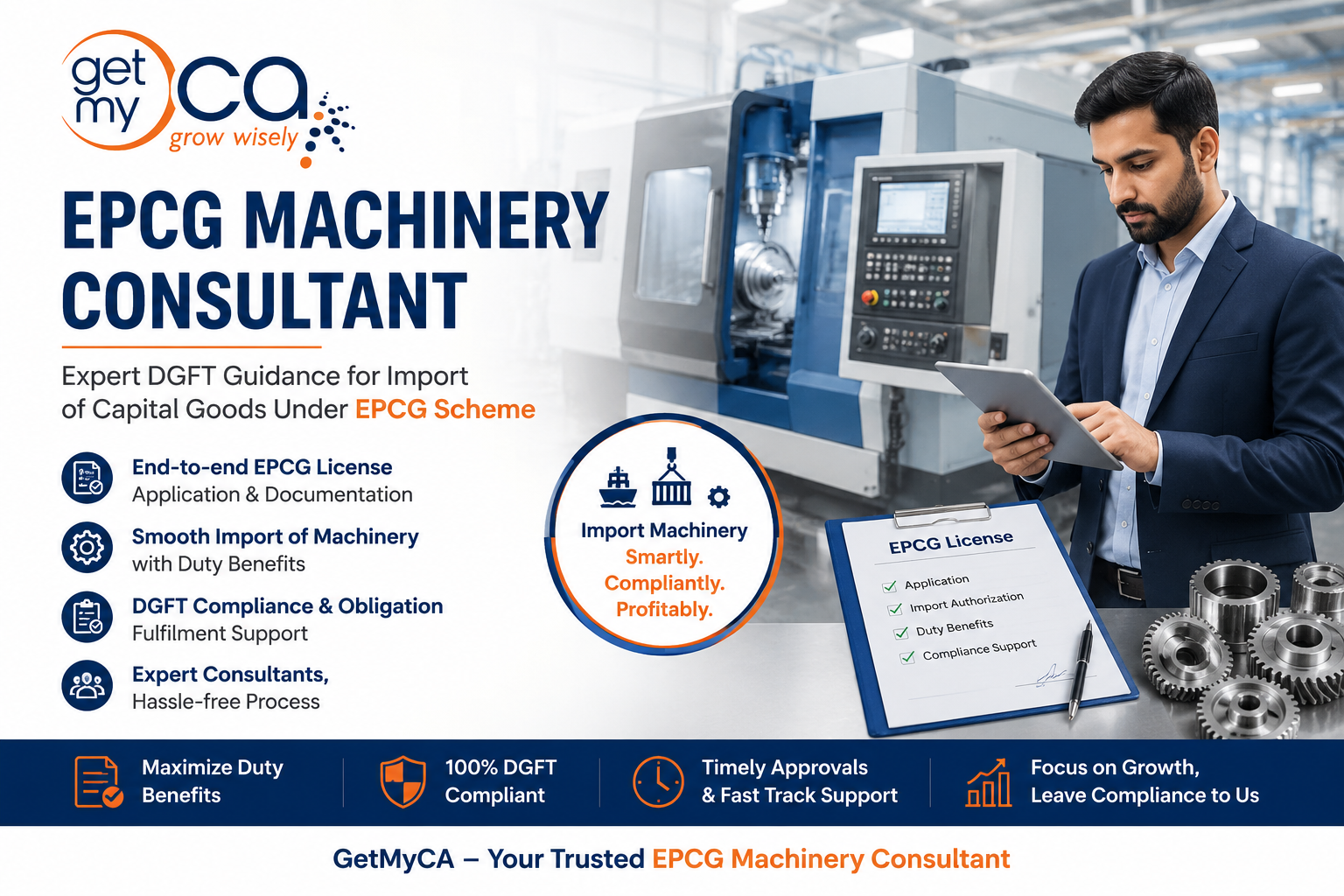
Manufacturing expansion often begins with a simple requirement: more production capacity. But once a business starts evaluating new machinery, the decision can become more complex.
For exporters, capital equipment planning may involve machinery specifications, customs implications, future export capacity, supplier selection and regulatory requirements. Reviewing these factors before procurement can help businesses understand whether the proposed investment fits their long-term production and export strategy.
Why Capital Equipment Should Be Evaluated Before Purchase
Machinery is usually purchased for several years of use. Manufacturers therefore need to understand not only what the equipment costs today but also how it may affect future production and exports.
Important considerations may include:
- current manufacturing capacity;
- expected increase in output;
- existing export performance;
- anticipated international orders;
- equipment specifications;
- domestic or overseas sourcing;
- project implementation timelines; and
- regulatory requirements.
Understanding EPCG eligibility for capital equipment can be relevant when an exporter is examining whether a machinery investment may fall within the applicable export-promotion framework.
Production Growth Should Match Market Demand
Installing additional machinery can increase manufacturing capacity, but that capacity should ideally be supported by genuine demand.
An exporter may therefore review historical sales, overseas customers, pending enquiries and expected market expansion before investing in new equipment.
New Capacity Does Not Automatically Mean More Exports
A machine may technically allow a factory to produce twice as much as before, but the commercial value of that additional output depends on whether buyers exist for it.
This is why production planning and export forecasting should be considered together during a major capital-expenditure decision.
Domestic and Imported Machinery Need Separate Evaluation
Some manufacturers prefer imported machinery because of specialised technology or automation capabilities. Others may find suitable equipment from domestic manufacturers with easier installation and after-sales support.
Both routes can be commercially viable, but their regulatory and tax implications may differ.
Businesses considering EPCG planning for imported and domestic equipment should therefore review the proposed procurement structure before finalising supplier arrangements.
Why Supplier Quotations Matter
A machinery quotation provides more than just the purchase price.
It can contain information regarding:
- equipment description;
- technical specifications;
- quantity;
- accessories;
- country of origin;
- installation requirements; and
- commercial terms.
These details can become important when evaluating machinery under a regulatory or export-linked framework.
For manufacturers planning multiple machines or an entire production line, keeping supplier quotations organised can make the overall project easier to assess.
Machinery Replacement and Expansion Are Not the Same
A business replacing an ageing machine may have a different commercial objective from one establishing a new production line.
Replacement may primarily improve efficiency or reduce downtime, whereas expansion can increase total manufacturing capacity.
A new product line can create even wider considerations because the manufacturer may need to assess new customers, export markets and production requirements.
Each investment should therefore be reviewed according to its actual purpose.
Long-Term Compliance Should Be Considered Early
Businesses evaluating an export-linked capital goods framework should also consider the responsibilities that may continue after machinery procurement.
Documentation, installation records, export performance and other compliance requirements can remain relevant during the life of the authorisation.
Considering these factors early can help manufacturers understand the complete implications of the investment rather than focusing only on the initial machinery purchase.
Conclusion
Capital equipment planning is an important part of manufacturing expansion.
Export-oriented businesses can benefit from reviewing machinery requirements, supplier options, production capacity, export expectations and applicable regulatory considerations together before finalising a major investment.

 English
 Arabic
 French
 Spanish
 Portuguese
 Deutsch
 Dutch
Dutch
 Italiano
 Russian
 Romaian
 Portuguese (Brazil)
 Greek
Greek
