


What Manufacturers Should Check Before Finalising a Machinery Upgrade
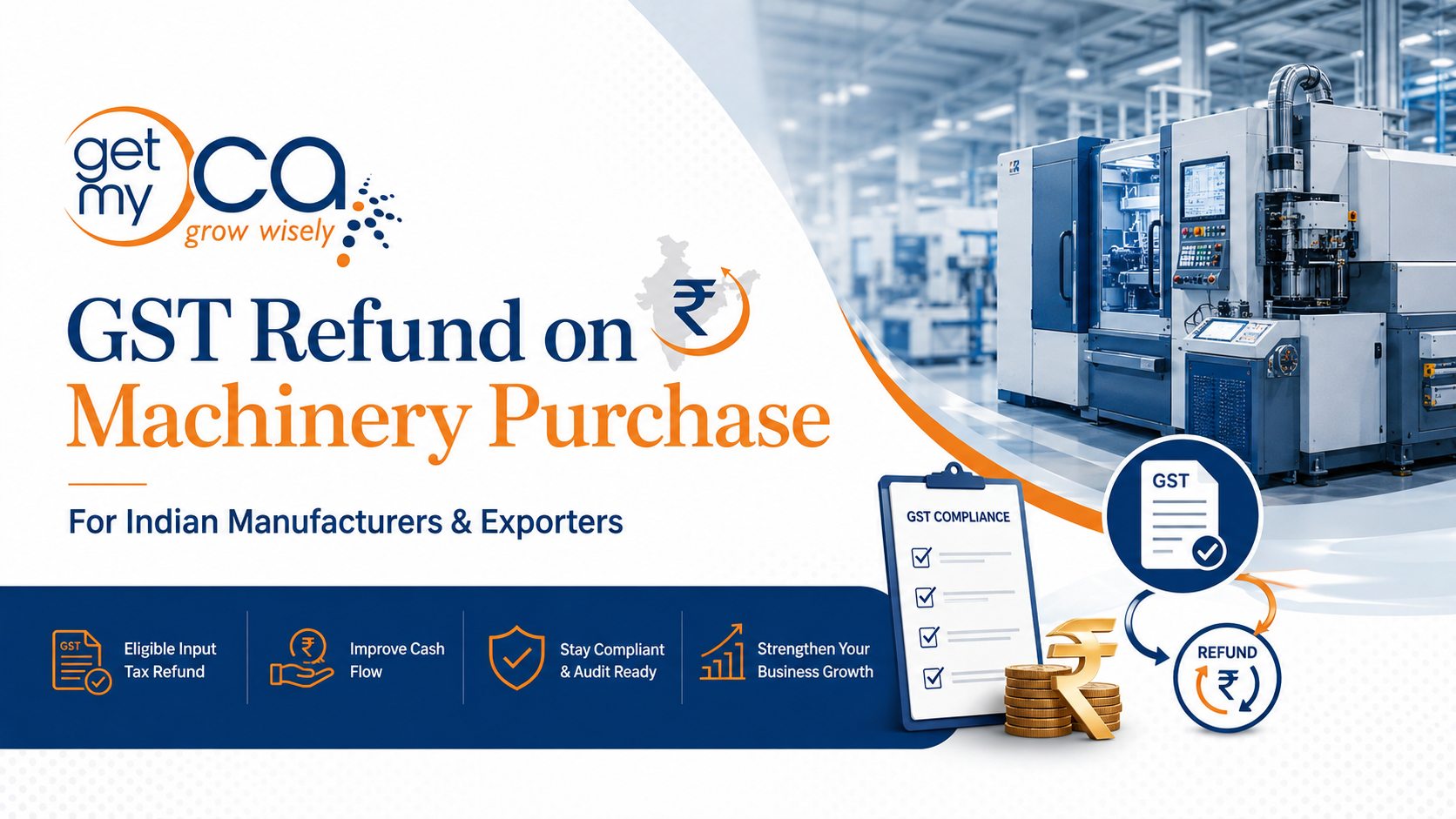
Production machinery is often upgraded to improve efficiency, increase capacity, reduce downtime or introduce new manufacturing technology. While technical specifications and machinery prices are important, export-oriented manufacturers may also need to consider tax, procurement and foreign trade implications before issuing the final purchase order.
A machinery upgrade can therefore be treated as a broader capital-investment decision rather than simply an equipment replacement exercise.
Why Machinery Upgrades Need Advance Evaluation
Manufacturers upgrade equipment for different reasons. In some cases, an ageing machine is replaced with a newer model. In others, an entirely new production line is installed to increase capacity or manufacture additional products.
Before committing to the investment, businesses may review:
- expected production increase;
- existing and projected export turnover;
- machinery specifications;
- domestic versus imported procurement;
- total project cost;
- applicable GST treatment;
- installation timelines; and
- future compliance requirements.
An EPCG evaluation before production machinery upgrades can be relevant when the new equipment is expected to support export-oriented manufacturing activity.
Replacement and Expansion Are Different Decisions
A machinery replacement may primarily improve efficiency without significantly changing overall production capacity.
Expansion projects, on the other hand, can materially increase output and may require manufacturers to identify additional customers or export markets.
Questions Manufacturers Can Consider
Before upgrading machinery, businesses may ask:
- Is the equipment replacing an existing machine or creating additional capacity?
- How much extra production will become possible?
- Is there sufficient domestic or export demand?
- Will the machinery be imported or sourced within India?
- Are any export-linked benefits or obligations relevant?
Answering these questions early can provide a clearer picture of the commercial purpose of the investment.
Domestic Machinery Procurement Can Have GST Implications
Manufacturers do not always need to import machinery. Indian suppliers may provide suitable production equipment with shorter delivery times and easier technical support.
However, domestic procurement can involve its own GST considerations.
Businesses should avoid treating GST paid on capital equipment as automatically refundable. The tax outcome depends on the structure and circumstances of the transaction.
Where domestic supplies are connected with an EPCG authorisation, manufacturers may need to examine the deemed-export GST treatment for eligible capital goods before determining the final procurement structure.
Why Procurement Timing Matters
Machinery investments usually move through several stages, beginning with technical evaluation and ending with purchase, installation and commissioning.
Tax and regulatory considerations are easier to assess while supplier options and transaction structures are still being evaluated.
Once equipment has already been ordered or supplied, changing the procurement structure may become considerably more difficult.
For this reason, manufacturers should review relevant requirements during the quotation and planning stage rather than waiting until after the machinery has arrived.
Export Potential Should Support Additional Capacity
New machinery can increase production capacity, but manufacturers should also determine whether sufficient market demand exists for the additional output.
Export-oriented businesses may consider:
- existing overseas customers;
- past export performance;
- confirmed or expected orders;
- target export markets; and
- expected utilisation of the new equipment.
Connecting production forecasts with realistic sales projections can help businesses judge whether an expansion is commercially sustainable.
Documentation Is Part of Machinery Planning
Large equipment investments usually create a substantial documentation trail.
This can include supplier quotations, machinery descriptions, technical specifications, purchase orders, invoices and installation records.
Maintaining these documents from the beginning can help businesses understand the commercial and regulatory history of the investment and support later compliance reviews.
Conclusion
A machinery upgrade can influence production capacity, tax treatment and export planning for several years.
Manufacturers should therefore evaluate the purpose of the upgrade, procurement route, GST implications, expected exports and applicable regulatory considerations together before making a major capital commitment.

 English
 Arabic
 French
 Spanish
 Portuguese
 Deutsch
 Turkish
 Dutch
Dutch
 Italiano
 Russian
 Romaian
 Portuguese (Brazil)
