


Chlamydia Test: Common Signs You Should Know
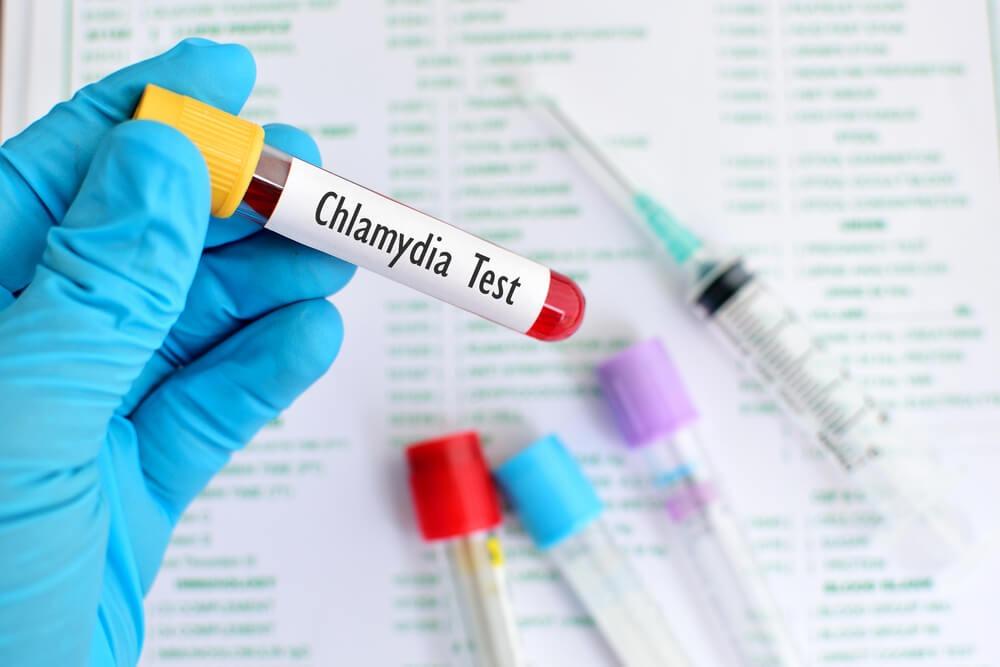
A Chlamydia Test in Dubai can help identify an infection when symptoms appear or after a possible sexual exposure. Chlamydia is a common sexually transmitted infection that can affect both men and women. One important feature of the infection is that many people may have no noticeable symptoms.
When symptoms do occur, they can sometimes be mild and mistaken for another condition. Knowing the common signs can help you recognize when professional evaluation and testing may be appropriate.
What Is Chlamydia?
Chlamydia is a bacterial sexually transmitted infection caused by Chlamydia trachomatis. It can spread through certain types of sexual contact with an infected person.
The infection can affect different parts of the body depending on the type of exposure. Genital infections are common, but Chlamydia can also affect the rectum and throat.
Because symptoms are not always present, testing can be useful for people who have potential exposure even when they feel healthy.
Can Chlamydia Cause Symptoms?
Yes, but symptoms do not occur in everyone. Some people develop noticeable symptoms, while others may have an infection without realizing it.
When symptoms are present, they may develop after exposure but the timing can vary. Some people may notice symptoms relatively soon, while others may not recognize anything unusual.
Because symptoms alone cannot confirm Chlamydia, laboratory testing is important when infection is suspected.
Common Chlamydia Symptoms in Women
Women with symptomatic Chlamydia may experience several different symptoms. Possible signs include unusual vaginal discharge, burning or discomfort when urinating, pelvic discomfort, pain during sexual activity, or bleeding between periods.
Some people may experience symptoms that are mild enough to overlook. Others may mistake changes in discharge or discomfort for another vaginal or urinary condition.
If unusual symptoms persist, medical evaluation can help determine the underlying cause.
Common Chlamydia Symptoms in Men
Men may also develop symptoms after acquiring Chlamydia. Possible signs include discharge from the penis, burning or discomfort while urinating, and discomfort or pain around the testicles.
Some men may notice only mild irritation and may not immediately consider an STI as a possible cause.
Because symptoms can overlap with other infections, a healthcare professional may recommend laboratory testing rather than relying on symptoms alone.
Can Chlamydia Cause Burning During Urination?
Yes. Burning or discomfort while urinating can occur with Chlamydia.
However, painful urination does not automatically mean that a person has Chlamydia. Urinary tract infections and other sexually transmitted infections can produce similar symptoms.
If you experience unexplained burning during urination, particularly after sexual exposure, discuss your symptoms with a healthcare professional.
Can Chlamydia Cause Unusual Discharge?
Unusual genital discharge can be another possible sign of Chlamydia. The appearance and amount of discharge can vary between individuals.
Discharge can also occur because of other infections or medical conditions, so it should not be used by itself to diagnose Chlamydia.
A healthcare professional may recommend a urine or swab-based test depending on the symptoms and suspected body site.
Can Chlamydia Cause Pelvic Pain?
Pelvic discomfort or pain can occur in some women with Chlamydia. Persistent pelvic symptoms should be evaluated because they can have several possible causes.
If Chlamydia is suspected, testing can help determine whether the infection is present. Prompt medical attention is particularly important when pelvic pain is severe, persistent, or accompanied by other concerning symptoms.
Can Chlamydia Cause Testicular Discomfort?
Men with Chlamydia may sometimes experience pain or swelling around the testicles. This symptom should be taken seriously because testicular pain can have multiple causes, some of which require urgent medical assessment.
If sudden or severe testicular pain occurs, seek medical attention promptly rather than assuming it is caused by Chlamydia.
Can You Have Chlamydia Without Any Signs?
Yes. This is one of the most important facts about Chlamydia.
A person can have the infection without discharge, pain, burning, or other obvious symptoms. They may continue normal activities without knowing they are infected and could potentially transmit the infection to a sexual partner.
This is why testing can be important after certain exposures even when there are no symptoms.
When Should You Consider Testing?
Testing may be appropriate if you have symptoms that could be related to Chlamydia, have had unprotected sexual contact, have a new sexual partner, or have been told that a sexual partner tested positive.
Testing may also be recommended based on your individual sexual health history and other risk factors.
If you have recently been exposed, timing should also be considered because testing too soon may not provide the most useful result.
What Test Is Used for Chlamydia?
Chlamydia is commonly detected using nucleic acid amplification testing, also known as NAAT. Depending on the situation, the sample may be collected from urine or by swab.
The appropriate sample depends on the body site involved and the type of sexual exposure.
A healthcare professional can determine which sample is most suitable and whether testing of more than one site should be considered.
Why Consider an STD Test in Dubai?
An STD Test in Dubai can help people who are concerned about Chlamydia or other sexually transmitted infections access appropriate screening.
If you have symptoms, a recent potential exposure, or a partner who has been diagnosed with an STI, discuss your concerns with a qualified healthcare professional.
Depending on your circumstances, the provider may recommend Chlamydia testing along with screening for other infections.
What If Your Chlamydia Test Is Negative?
A negative test means Chlamydia was not detected in the sample that was tested. However, the result should be considered alongside the timing of testing, the sample type, and the body site examined.
If testing was performed very soon after possible exposure, repeat testing may sometimes be recommended. Continuing symptoms after a negative result should also be discussed with a healthcare professional.
What If Your Test Is Positive?
A positive Chlamydia test means the infection has been detected. Chlamydia can generally be treated with appropriate antibiotics prescribed by a healthcare professional.
It is important to follow the treatment instructions carefully. Sexual partners may also need evaluation and treatment to help prevent reinfection and further transmission.
Do not stop treatment early simply because symptoms improve.
Final Thoughts
Recognizing the common signs of Chlamydia can help you know when to seek medical advice, but symptoms are not always present. Burning during urination, unusual discharge, pelvic discomfort, or testicular symptoms can occur, but these signs can also have other causes.
If you have experienced a possible sexual exposure or are concerned about symptoms, a Chlamydia Test can provide more useful information than trying to diagnose the infection based on symptoms alone. Timely testing and appropriate medical guidance can support better sexual health and help reduce transmission.

 English
 Arabic
 French
 Spanish
 Portuguese
 Deutsch
 Turkish
 Dutch
Dutch
 Italiano
 Russian
 Portuguese (Brazil)
 Greek
Greek
