


Track and Field Equipment and Implements for Professional Athletic Performance
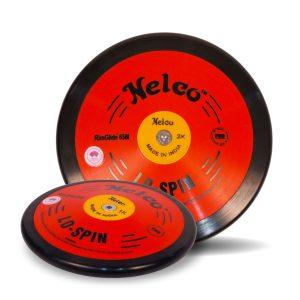
Track and field is one of the most diverse sports disciplines, combining running, jumping, and throwing events that require skill, speed, strength, and precision. Whether used in schools, sports academies, training centers, or professional competitions, the right track and field equipment and implements can significantly improve athlete development and event performance. Quality equipment helps athletes train safely while providing consistency during practice and competition.
Understanding Track and Field Equipment
Track and field equipment includes a wide range of products designed for different athletic events. Running events require equipment such as starting blocks, relay batons, timing systems, and track markers. Jumping events use equipment including landing mats, take-off boards, measuring tools, and standards. Throwing disciplines require specialized implements designed according to event requirements.
Selecting appropriate equipment is important for creating an effective training environment. Durable and accurately manufactured equipment can withstand frequent use while maintaining reliable performance. Sports institutions should consider material quality, dimensions, safety features, and event requirements when choosing equipment.
Essential Track and Field Implements
Track and field implements are specialized pieces of sporting equipment used primarily in throwing and technical events. Depending on the discipline, these may include shot puts, discus, javelins, and hammers. Each implement has specific weight, size, and construction requirements to ensure fair competition and proper athlete development.
Training implements can also be useful for athletes at different experience levels. Coaches can select equipment according to an athlete's age, ability, and training objectives. Using suitable implements allows athletes to develop proper throwing techniques, improve coordination, and build confidence.
For competitive environments, equipment should meet the relevant specifications established by governing athletic organizations. Accurate dimensions and weight help ensure that training closely reflects competition conditions.
Track Hurdles Equipment for Developing Speed and Technique
Hurdle events require athletes to combine speed, rhythm, flexibility, balance, and coordination. Track hurdles equipment is therefore an important part of both beginner and advanced athletic training. Hurdles are available in different designs and heights to accommodate athletes of various ages and skill levels.
Training hurdles should be stable enough to remain positioned during normal use while allowing athletes to practice safely. Adjustable hurdles are particularly useful for schools and athletic academies because coaches can modify the height according to training requirements.
Proper hurdle spacing is also important. Coaches can create drills that focus on stride patterns, acceleration, hurdle clearance, and rhythm. With consistent practice using suitable hurdles, athletes can improve their technique and develop greater confidence on the track.
Choosing Quality Track and Field Equipment
When purchasing track and field equipment and implements, quality should be a major consideration. Athletic equipment is frequently exposed to outdoor conditions and repeated use, so durable construction is essential. Equipment made from reliable materials can provide longer service life and reduce the need for frequent replacement.
Portability is another useful feature for schools, clubs, and training facilities. Lightweight or easily transportable equipment allows coaches to reorganize training areas quickly. Storage requirements should also be considered, particularly for facilities with limited space.
Safety is equally important. Hurdles, landing equipment, throwing implements, and other products should be designed and used according to appropriate safety practices. Coaches and athletes should always inspect equipment before training sessions to identify damage or excessive wear.
Equipment for Schools and Athletic Academies
Schools and athletic academies often require versatile track and field equipment to support multiple sporting activities. A well-equipped facility can provide athletes with opportunities to practice running, jumping, throwing, and hurdle events in one location.
For developing athletes, equipment should be selected according to their age and ability. Beginner-friendly products can help young athletes learn fundamental techniques without unnecessary complexity. As athletes progress, coaches can introduce competition-style equipment to prepare them for higher levels of performance.
Athletic academies can also benefit from investing in equipment that supports structured training programs. Reliable equipment enables coaches to create consistent drills and monitor athlete development over time.
Importance of Proper Maintenance
Even high-quality track and field implements require regular maintenance. Equipment should be cleaned and inspected after use, particularly when used outdoors. Metal components should be checked for corrosion, while movable parts such as hurdle mechanisms should be inspected for proper operation.
Throwing implements should be stored carefully to prevent unnecessary damage. Hurdles and other training equipment should be transported and stored according to manufacturer recommendations. Proper maintenance not only extends product life but also contributes to a safer training environment.
Supporting Better Athletic Development
The right track and field equipment and implements can play an important role in athlete development. Coaches can use specialized equipment to improve speed, strength, coordination, balance, and event-specific technique. Consistent training with suitable equipment also helps athletes become familiar with competition conditions.
From starting blocks and relay batons to throwing implements and track hurdles equipment, every product serves a specific purpose. Investing in reliable athletic equipment helps sports organizations create professional training environments for athletes at different stages of development.
Conclusion
Track and field requires a combination of physical ability, technical skill, and consistent practice. High-quality track and field equipment, reliable track and field implements, and suitable Track hurdles equipment can help athletes train effectively and safely. Schools, sports academies, clubs, and professional facilities should choose equipment based on durability, specifications, safety, and intended use.
With the right equipment and a structured training approach, athletes can develop stronger fundamentals, refine their techniques, and prepare confidently for competitive track and field events.

 English
 Arabic
 French
 Spanish
 Portuguese
 Deutsch
 Dutch
Dutch
 Italiano
 Russian
 Romaian
 Portuguese (Brazil)
 Greek
Greek
