


Hepatitis B Test in Dubai: Do You Need to Fast Before Testing?
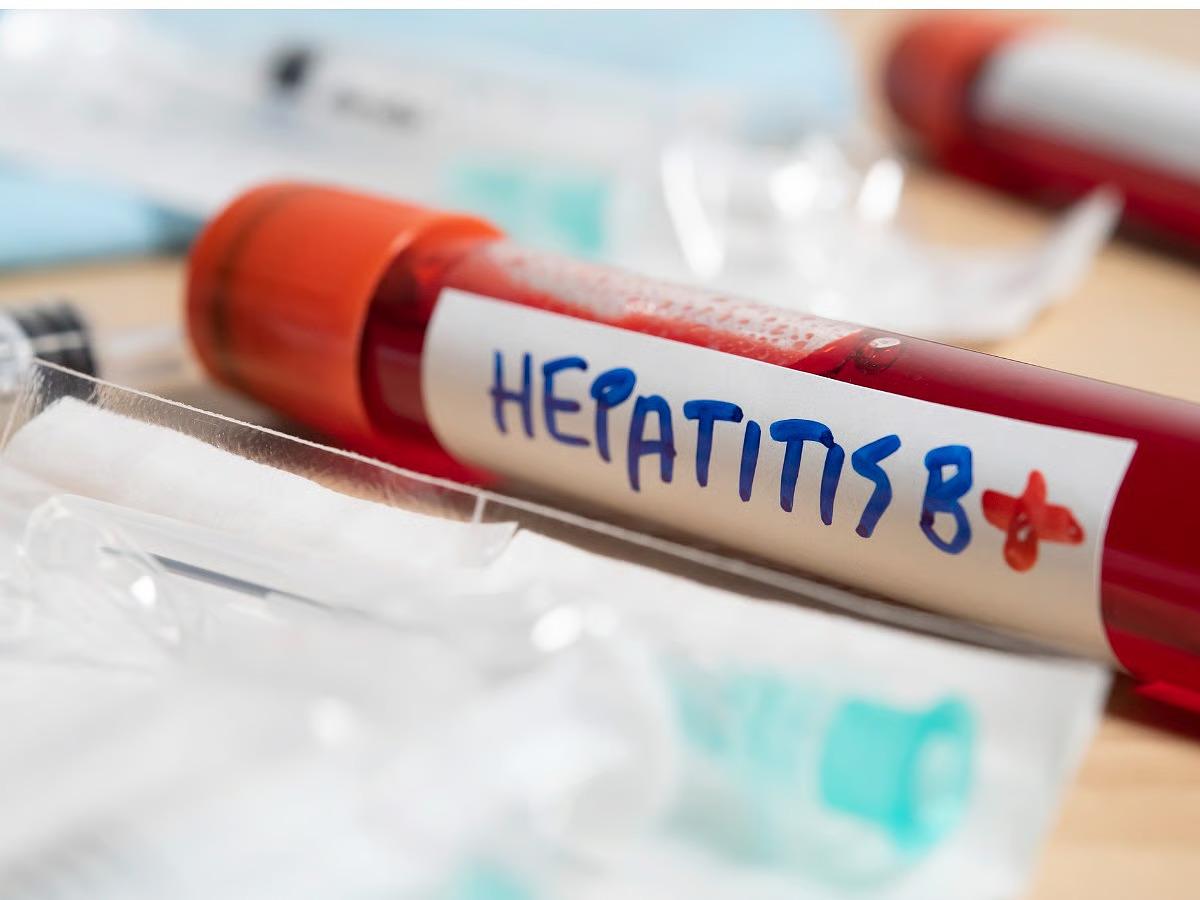
A hepatitis B blood test is usually a straightforward procedure, but patients often wonder whether they need to avoid food or drinks beforehand. In most cases, hepatitis B-specific blood tests do not require fasting. However, preparation can depend on whether other laboratory tests are being performed at the same time. Understanding what to expect before a Hepatitis B Test in Dubai can help you arrive prepared and avoid unnecessary concerns.
Do You Need to Fast for a Hepatitis B Test?
For many hepatitis B-specific blood tests, fasting is generally not necessary. Tests such as HBsAg, anti-HBs, and anti-HBc can typically be performed without avoiding food beforehand.
However, your healthcare provider may order several blood tests during the same appointment. Some of those additional tests may have different preparation requirements. If fasting has been specifically requested, follow the instructions provided by your doctor or laboratory.
Why Fasting Instructions Can Differ
Fasting requirements are usually related to the specific laboratory tests being performed rather than hepatitis B testing itself. For example, a healthcare provider may request additional metabolic or other blood tests alongside hepatitis screening.
Because testing panels vary, it is important to check your appointment instructions rather than assuming that fasting is either required or unnecessary.
What Can You Eat Before the Test?
If your healthcare provider has not instructed you to fast, you can generally eat your usual meals before a hepatitis B blood test.
Choosing a normal, balanced meal can help you feel comfortable during the appointment. There is usually no need to make major dietary changes simply because you are having hepatitis B screening.
If you have been instructed to fast because of additional tests, follow the specific instructions given to you.
Can You Drink Water?
Unless your healthcare provider has given different instructions, drinking water before a blood test is generally acceptable. Staying hydrated can also make blood collection easier because well-hydrated veins may be easier for a healthcare professional to access.
Avoid making assumptions if you have received specific preparation instructions. Follow the guidance provided for your particular appointment.
Which Tests May Be Included?
A hepatitis B screening panel can include several blood markers. HBsAg is commonly used to identify evidence of current hepatitis B infection. Anti-HBs can help determine whether a person has immunity, while anti-HBc can provide information about previous or current exposure.
Depending on the reason for testing, a doctor may request additional investigations such as IgM anti-HBc, HBV DNA, or liver-related blood tests.
The preparation requirements can therefore vary depending on the complete set of tests ordered.
What Happens During the Appointment?
A healthcare professional will usually confirm your information and may ask why you are having the test. You may be asked about symptoms, vaccination history, previous test results, or a possible exposure to hepatitis B.
A small blood sample is then collected from a vein, usually in the arm. The sample is sent to a laboratory where the requested hepatitis B markers are analyzed.
The blood collection itself is generally quick, although the overall appointment may take longer depending on consultation and other testing.
Is Blood Collection Painful?
You may feel a brief pinch when the needle enters the skin. Some people experience mild soreness or a small bruise afterward.
If you feel anxious about needles or have previously felt faint during blood collection, tell the healthcare professional before the sample is taken.
Can Medications Affect Hepatitis B Testing?
Most routine medications do not prevent a person from having hepatitis B blood tests, but your healthcare provider should know about any medicines or supplements you are taking.
Do not stop prescribed medication simply because you are having a blood test unless your doctor specifically tells you to do so.
If you are unsure whether a medication could affect a particular laboratory test, discuss it with your healthcare provider before your appointment.
Does Exercise Affect the Test?
Normal daily activity generally does not prevent hepatitis B screening. However, if your appointment includes other blood tests, your healthcare provider may provide additional instructions regarding exercise or other preparation.
The most important step is to follow the specific preparation guidance given for your complete laboratory panel.
What If You Accidentally Eat Before a Fasting Test?
If you were instructed to fast but accidentally ate or drank something other than what was permitted, tell the healthcare professional when you arrive.
Do not hide the information or assume the test will automatically be inaccurate. The healthcare team can determine whether the planned tests can still be performed or whether another appointment would be more appropriate.
Should You Reschedule?
Whether you need to reschedule depends on the tests that were ordered. If hepatitis B screening is being performed alone, eating beforehand may not be a problem. If other fasting-dependent tests are included, your provider may recommend another approach.
Always follow the instructions from the laboratory or healthcare professional who ordered your tests.
What If You Are Testing After Possible Exposure?
If you are having a hepatitis B test because of a recent possible exposure, fasting is generally not the main concern. The timing of the test and the type of exposure are more important factors to discuss with your healthcare provider.
Testing too soon after exposure may not detect an infection because relevant markers can take time to become detectable. Your doctor may recommend initial testing and, when appropriate, follow-up testing.
Tell Your Doctor When Exposure Occurred
If you have experienced a possible exposure, provide the date and relevant details to your healthcare professional. This information can help them determine which tests are appropriate and whether additional testing may be needed later.
Prompt medical advice is especially important after a significant exposure because preventive measures may be considered depending on vaccination and immunity status.
How to Prepare for Your Appointment
Preparation for hepatitis B screening is usually simple. Check whether your healthcare provider has given you fasting instructions, drink water if permitted, and bring any relevant previous test information if requested.
If the test is being performed because of symptoms or a possible exposure, be prepared to explain when the symptoms started or when the exposure occurred.
Providing accurate information can help your healthcare professional interpret the laboratory results more effectively.
How Long Does It Take to Receive Results?
The time required to receive hepatitis B results depends on the laboratory and the tests requested. Routine markers may be processed more quickly than specialized investigations.
Your laboratory or healthcare provider can tell you when you should expect your report. Once the results are available, discussing them with a healthcare professional can help you understand what each marker means.
Why Professional Interpretation Matters
A hepatitis B report may contain several markers, including HBsAg, anti-HBs, and anti-HBc. A result marked positive or negative needs to be interpreted according to the specific marker involved.
For example, a positive anti-HBs result can indicate immunity, while a positive HBsAg result generally indicates current infection. Looking at the complete pattern is therefore more useful than focusing on one result.
Conclusion
Most hepatitis B-specific blood tests do not require fasting, although preparation requirements can vary when other tests are ordered at the same time. A Hepatitis B Test in Dubai commonly involves a simple blood sample used to assess markers such as HBsAg, anti-HBs, and anti-HBc. If your healthcare provider has given you fasting or other preparation instructions, follow them carefully. If you are testing after a possible exposure, remember that testing timing can be more important than fasting, and professional guidance can help determine the appropriate testing plan.

 English
 Arabic
 Spanish
 Portuguese
 Deutsch
 Turkish
 Dutch
Dutch
 Italiano
 Russian
 Romaian
 Portuguese (Brazil)
 Greek
Greek
