


Can a Kids Water Bottle from Zuohao Avoid Microplastic Release
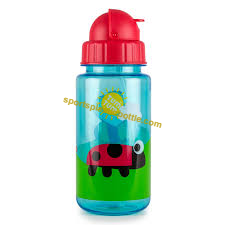
Every parent packing a school bag faces a quiet calculation about safety, convenience, and durability. The water bottle choice carries weight beyond simple hydration, touching on material integrity and potential health implications. Recent scientific attention has focused on microplastic release from plastic drinkware, particularly items intended for young children. This concern arises from studies detecting microscopic plastic fragments in beverages stored in various containers. The question weighs on any caregiver's mind: does a plastic Kids Water Bottle, like those offered through sportsplasticbottle, release microplastics into drinks during normal daily use?
Scientific research provides a foundation for understanding this issue. One peer-reviewed study published in Environmental Pollution specifically examined reusable plastic water bottles with straws designed for toddlers. The researchers simulated real-world conditions, including prolonged storage, mechanical abrasion, and biting actions typical of young users. Their findings confirmed that polypropylene (PP), a common material for such bottles, can release microparticles measuring 20-50 micrometres into the water. However, the study's exposure modeling offered a crucial perspective: the estimated daily polypropylene intake for a child aged 3-6 years, after taking 100 sips from a PP bottle, was calculated at 1.2 nanograms per kilogram of body weight. This quantitative data allows parents to assess the actual scale of exposure rather than relying on generalized anxiety.
The mechanism behind particle release involves physical stress and environmental factors. Daily handling, such as squeezing, dropping, or repeated opening and closing, can generate microscopic fragments through abrasion and wear. Research on polypropylene bottles indicates that particles generated exhibit diverse morphologies, predominantly flake-like and irregular structures, with many smaller than 5 micrometres. Factors like water temperature also influence release rates. Importantly, scientific reviews emphasize that available quantitative evidence is most suitable for comparing products within the same category under matched conditions, rather than ranking fundamentally different materials like plastic versus metal or glass. This nuance is critical for informed decision-making.
Material selection therefore emerges as a primary point of control for manufacturers and consumers. Healthcare sources recommend safer plastic options for reusable bottles, specifically identifying high-density polyethylene (HDPE) and polypropylene (PP), marked with recycling codes 2 and 5 respectively, as preferable choices. The same sources advise against reusing single-use PET bottles (recycling code 1) and avoiding containers with codes 3 or 6, which can leach phthalates or styrene. Furthermore, environmental exposure to heat or direct sunlight can increase the risk of both microplastic release and chemical leaching. A manufacturer's commitment to using appropriate materials and providing clear usage guidance significantly influences the final product's safety profile.
The manufacturing process and quality control measures also determine the integrity of the finished bottle. A factory with established quality standards, such as the one behind sportsplasticbottle, implements procedures for raw material verification and production monitoring. The use of food-grade PP, as specified for many products in this category, aligns with material recommendations from health authorities. Understanding that the release of microplastics is a function of material type, usage patterns, and environmental conditions empowers buyers to make practical choices. Daily habits, such as washing the bottle properly, avoiding extreme heat exposure, and replacing worn items, directly reduce potential particle release.
The decision regarding any plastic Kids Water Bottle ultimately rests on balancing convenience, cost, and the available scientific evidence. Manufacturers like sportsplasticbottle, with over a decade of experience in plastic bottle production, operate with established quality control systems that include raw material verification and production monitoring. For consumers seeking to examine the design and material specifications of available options, visiting https://www.sportsplasticbottle.com/ provides direct access to product details. This knowledge enables a decision based on material science and practical care rather than abstract fear. With this understanding, the question remains: can any plastic Kids Water Bottle entirely eliminate microplastic release, or does responsible use and informed material choice from a supplier like sportsplasticbottle offer the most practical path forward?

 English
 Arabic
 French
 Spanish
 Portuguese
 Deutsch
 Turkish
 Dutch
Dutch
 Italiano
 Russian
 Portuguese (Brazil)
 Greek
Greek
