


Auto Repair Shops Las Vegas: How to Make Smarter Repair Decisions
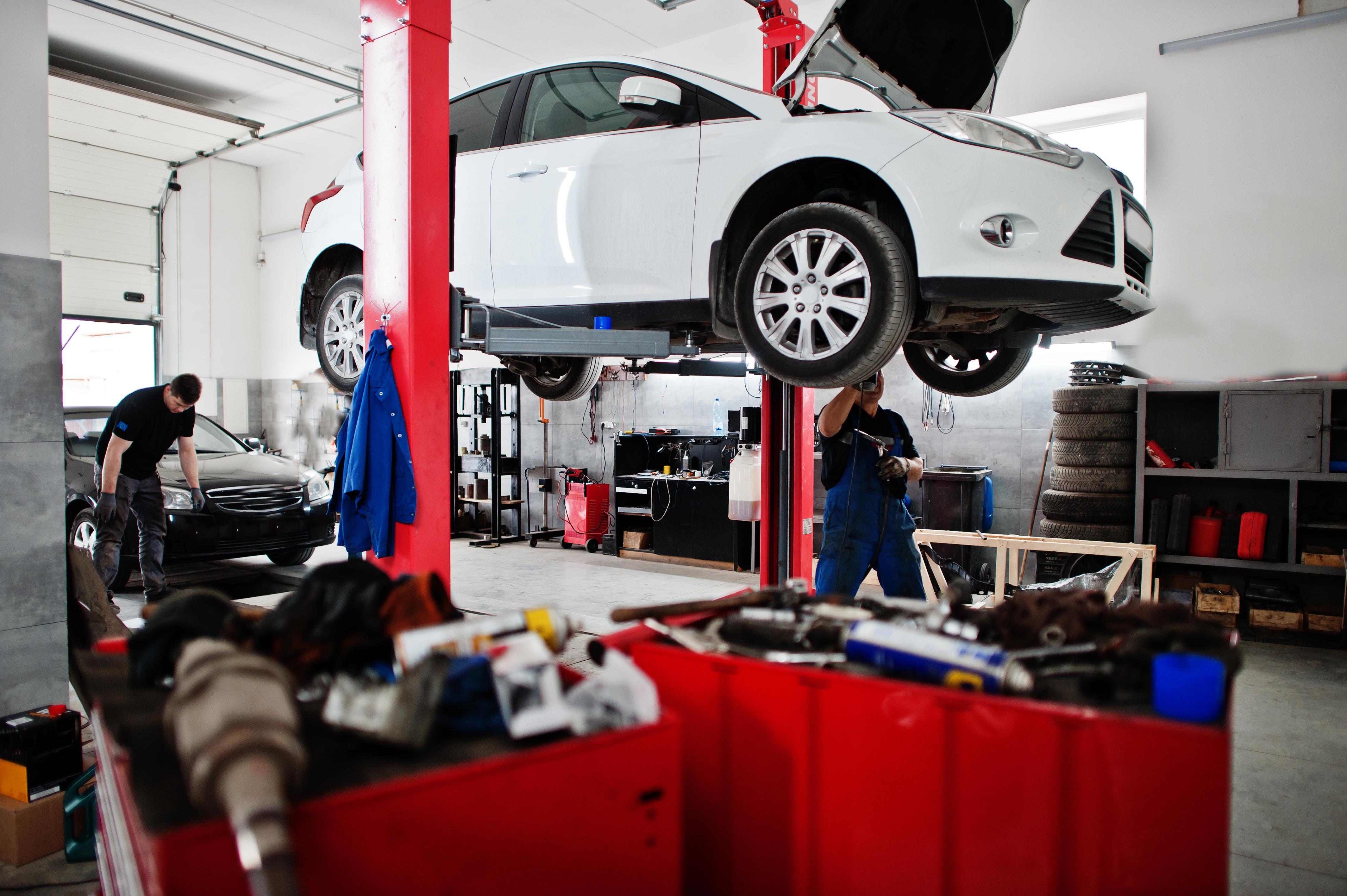
A strange noise, warning light, or change in how your vehicle drives can create an immediate question: is it safe to keep driving, or does it need attention now?
Knowing how to respond can save money and prevent a minor fault from developing into a larger repair. For drivers comparing auto repair shops Las Vegas, the most useful starting point isn't the cheapest advertised service. It's finding a shop that can accurately identify the problem and explain what needs to happen next.
Start With the Symptoms
Before visiting a repair shop, pay attention to what your vehicle is doing.
Note when the problem occurs, whether it happens when the engine is cold or warm, and whether it's connected to braking, acceleration, steering, or starting. Unusual sounds, fluid spots under the vehicle, dashboard warnings, vibrations, and changes in fuel economy can all provide useful information.
These details can help a technician narrow down potential causes and avoid unnecessary guesswork.
Diagnostics Come Before Parts
A common mistake is assuming that a failed component is obvious from a single symptom.
For example, an illuminated check-engine light doesn't automatically mean that one specific part needs to be replaced. Diagnostic testing is intended to identify the underlying fault and determine what additional inspection may be necessary.
A dependable Las Vegas auto shop should explain the diagnosis in understandable terms and distinguish between confirmed findings and possibilities that still need testing.
That distinction matters when you're deciding whether to authorize a repair.
Prioritize Repairs Properly
Not every repair has the same level of urgency.
A problem affecting braking, steering, engine temperature, or another safety-critical system deserves prompt attention. Other maintenance items may be less urgent and can sometimes be scheduled around your budget and availability.
Ask the technician:
- What needs attention immediately?
- What can safely wait?
- What could happen if the repair is postponed?
- Is there a maintenance item that should be addressed at the same time?
These questions turn a repair estimate into a useful plan rather than simply a list of parts and prices.
Compare More Than Labor Rates
When evaluating auto repair shops Las Vegas drivers may consider, compare how each shop handles the entire repair process.
Look at whether estimates clearly identify parts and labor, whether diagnostic charges are explained beforehand, and whether the shop provides a warranty on its work. It can also be useful to ask whether replacement parts are original-equipment, aftermarket, or rebuilt, depending on the repair.
A lower initial estimate isn't necessarily cheaper if important work has been excluded.
Keep Your Service History
Maintenance records can be surprisingly valuable. They show which components have already been replaced and help a technician understand the vehicle's repair history.
Keep invoices, inspection reports, and major service records together. When changing repair shops, providing this information can prevent duplicated work and give the technician a clearer picture of the vehicle.
Choose a Shop Before the Problem Becomes Urgent
The best time to research a repair facility is before you're sitting on the side of the road.
Look for a shop that emphasizes accurate diagnostics, clear estimates, repair prioritization, and documented warranties. Most importantly, choose a facility where technicians are willing to explain why a repair is recommended, not simply what they want to replace.
For Las Vegas drivers, that approach can make vehicle maintenance more predictable and help ensure repair decisions are based on evidence rather than pressure.

 English
 Arabic
 French
 Spanish
 Portuguese
 Turkish
 Dutch
Dutch
 Italiano
 Russian
 Romaian
 Portuguese (Brazil)
 Greek
Greek
