


HIV Test: Can You Have HIV Without Symptoms?
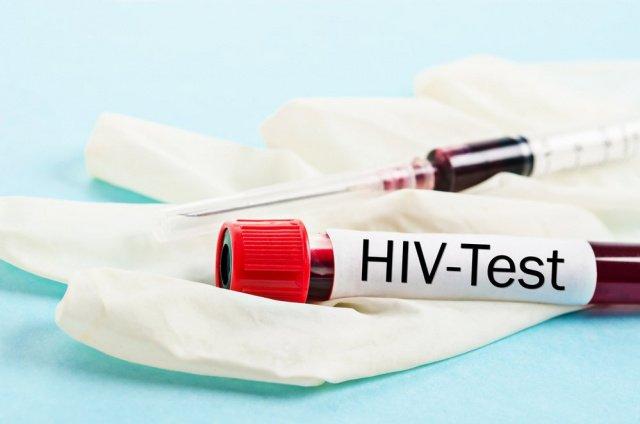
Yes, a person can have HIV without experiencing noticeable symptoms. This is one reason why HIV testing remains important for people who may have been exposed to the virus. An HIV Test in Dubai can identify evidence of HIV infection even when a person feels completely healthy.
Some people experience symptoms shortly after infection, while others may have mild symptoms that they do not recognize as being related to HIV. After the early stage, HIV can also remain without obvious symptoms for a long period. Consequently, relying on how you feel is not a reliable way to determine your HIV status.
Why Can HIV Have No Symptoms?
HIV affects the immune system, but the body's response can vary from person to person. During the early stage of infection, some people develop symptoms resembling a common viral illness, while others notice nothing unusual.
Symptoms can also disappear after the initial stage. A person may continue to have HIV without experiencing obvious health problems.
This does not mean the virus is absent or inactive. HIV can continue to affect the immune system even when symptoms are not apparent.
What Are Possible Early HIV Symptoms?
When early symptoms occur, they can resemble those of many other illnesses. Some people may experience fever, fatigue, sore throat, swollen lymph nodes, rash, headache, or muscle aches.
These symptoms are not specific to HIV. Common viral infections and other medical conditions can produce similar symptoms.
For this reason, symptoms cannot confirm HIV infection. Likewise, the absence of symptoms cannot rule it out.
Can Someone Feel Completely Healthy With HIV?
Yes. Some people with HIV may feel healthy and have no obvious symptoms, particularly during certain stages of infection.
This is why people who have experienced a potential exposure should consider professional medical advice rather than waiting for symptoms.
Routine testing can also help identify HIV in people who may not know that they have been exposed.
Who May Consider HIV Testing?
HIV testing may be appropriate after certain types of potential exposure. Examples can include unprotected sexual contact, condom failure, or exposure to potentially infected blood.
People may also consider routine screening based on their sexual health circumstances and healthcare provider's recommendations.
A healthcare professional can assess the nature of an exposure and determine whether HIV testing or additional STI screening is appropriate.
Can a Negative Test Confirm You Do Not Have HIV?
A negative HIV result can be reassuring, but its interpretation depends on the type of test and when it was performed.
If testing occurs too soon after a possible exposure, the infection may not yet be detectable. This is known as the window period.
A healthcare professional may therefore recommend follow-up testing when an initial test was performed early or when the exposure circumstances warrant additional evaluation.
What Is the HIV Window Period?
The HIV window period refers to the time after infection during which a particular test may not yet reliably detect HIV.
Different tests identify different markers. Fourth-generation antigen/antibody tests detect both the p24 antigen and HIV antibodies, while antibody-only tests detect the immune response. HIV RNA testing looks for the virus's genetic material.
Because these markers become detectable at different times, testing recommendations depend on the method used.
How Does a Fourth-Generation Test Help?
Fourth-generation HIV tests detect both HIV antigen and antibodies.
The p24 antigen may become detectable before antibodies develop to detectable levels. This allows fourth-generation testing to identify many infections earlier than antibody-only testing.
However, testing immediately after exposure may still be too early. If there is a concern about recent exposure, your healthcare provider can advise whether repeat testing is appropriate.
Can HIV Testing Be Done Without Symptoms?
Absolutely. HIV testing does not require someone to have symptoms.
A person can request screening because of a potential exposure, routine sexual health care, or a healthcare professional's recommendation.
Testing people who have no symptoms can be particularly important because HIV may otherwise remain undetected.
What If You Recently Had a Possible Exposure?
If a possible exposure occurred recently, seek medical advice promptly rather than waiting for symptoms.
The healthcare professional may ask when the exposure occurred and what type of exposure took place. This information can help determine which HIV test is appropriate and whether additional testing may be needed.
For very recent potential exposures, certain preventive treatments may be time-sensitive. Prompt professional assessment is therefore important.
What Happens During an HIV Test?
Many HIV tests involve collecting a blood sample. For a laboratory test, a healthcare professional usually takes a small amount of blood from a vein in the arm.
The sample is then analyzed for the markers targeted by the selected test.
The procedure is generally quick, and most people experience only brief discomfort during blood collection.
Can HIV Testing Be Combined With Other STI Screening?
Yes. Depending on the circumstances, a healthcare professional may recommend screening for other sexually transmitted infections at the same time.
HIV testing does not automatically identify infections such as syphilis, hepatitis B, hepatitis C, chlamydia, or gonorrhea.
If your concern follows a sexual exposure, discussing the complete situation with your healthcare provider can help determine whether broader testing is appropriate.
HIV Testing in Dubai
If you are looking for an HIV Test in Dubai, you can speak with a qualified healthcare provider or testing clinic about your options.
Before testing, try to remember approximately when any potential exposure occurred. You can also ask the clinic which HIV test is being used, whether the test requires any preparation, how results are provided, and whether follow-up testing may be recommended.
Confidential testing can provide an opportunity to discuss concerns openly with a healthcare professional.
Why Testing Is More Reliable Than Symptoms
Symptoms are often difficult to interpret because they can have many different causes. Someone with HIV may have symptoms, while another person with the same infection may have none.
Testing directly looks for biological markers associated with HIV. This makes appropriate laboratory or diagnostic testing much more useful for determining HIV status than attempting to identify infection based on physical symptoms.
If you have concerns about exposure, professional testing is preferable to waiting for symptoms.
Key Takeaway
HIV can exist without noticeable symptoms, so feeling healthy does not necessarily mean that HIV infection is absent. Early symptoms, when they occur, can also resemble many other illnesses and cannot be used to diagnose HIV.
If you are considering an HIV Test in Dubai, discuss any possible exposure with a qualified healthcare professional. The appropriate test and timing can help provide more meaningful results, while follow-up testing may be recommended when an initial test is performed during the window period.

 English
 Arabic
 French
 Spanish
 Portuguese
 Deutsch
 Turkish
 Dutch
Dutch
 Russian
 Romaian
 Portuguese (Brazil)
 Greek
Greek
