


How to Choose the Best Clear PPF Wrap for Your Vehicle
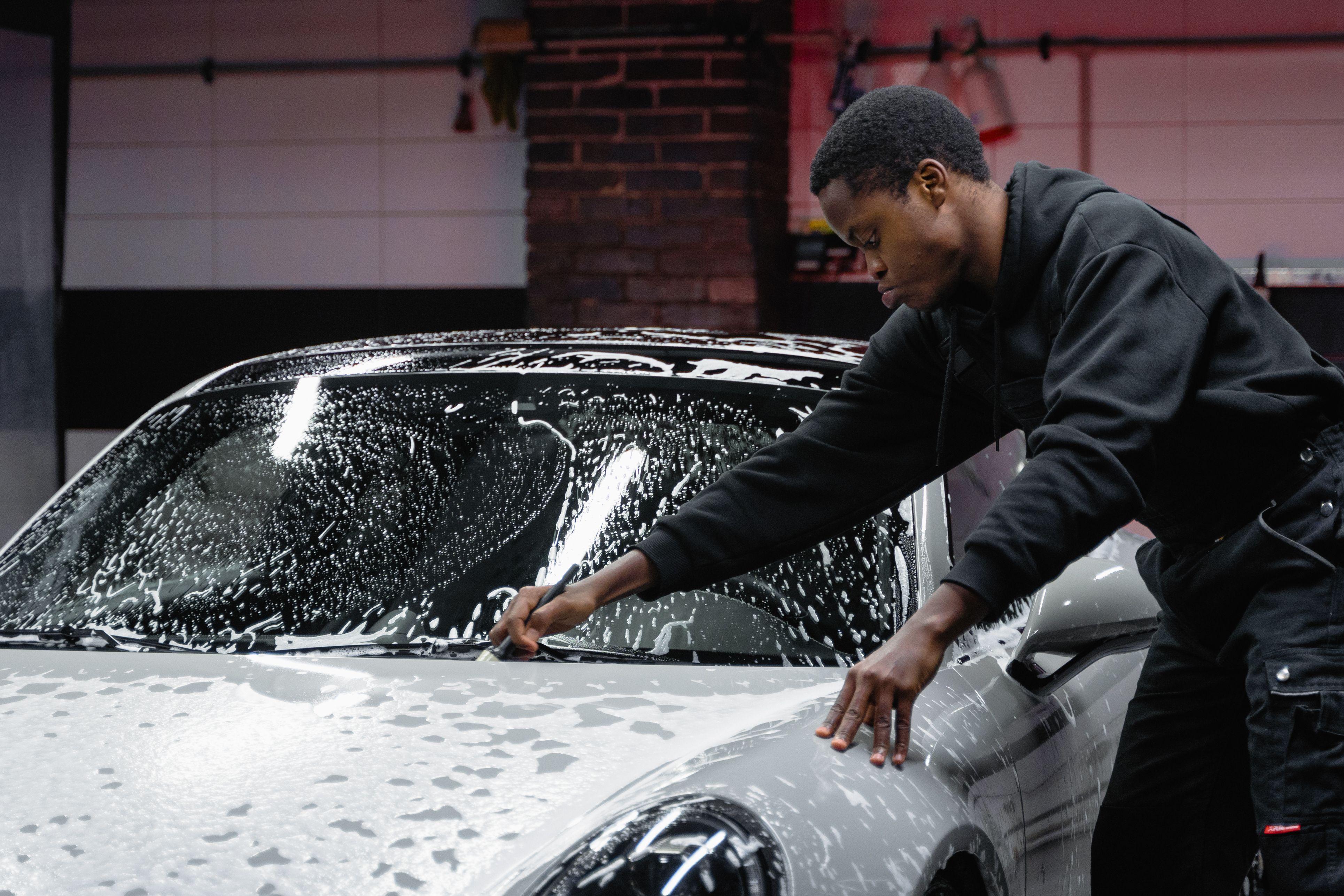
Choosing the right clear ppf wrap is an important decision for vehicle owners who want to preserve their car’s factory paint while protecting it from everyday road hazards. A high-quality paint protection film can create a durable barrier against stone chips, minor scratches, road debris, insects, environmental contaminants, and UV exposure without changing the original color of the vehicle. However, not every PPF product offers the same level of protection, appearance, durability, or installation quality. Understanding the film’s material, thickness, finish, warranty, maintenance requirements, and installation process can help you select a solution that provides long-term value.
What Is a Clear PPF Wrap
A clear PPF wrap, also known as clear paint protection film, is a transparent protective layer installed over painted automotive surfaces. Modern PPF is commonly manufactured using advanced polyurethane construction that combines flexibility with impact resistance.
The primary purpose of the film is to protect the underlying paint from common forms of exterior damage. Instead of allowing gravel, insects, dust, or minor abrasions to directly affect the factory finish, the film acts as an additional protective layer.
Because clear PPF is transparent, it is particularly suitable for drivers who want protection without changing their vehicle’s original color or design.
Consider the Film Material and Construction
One of the first factors to examine when selecting PPF is the material used in its construction. High-quality polyurethane films are designed to provide a combination of flexibility, optical clarity, durability, and resistance to environmental conditions.
The film should be flexible enough to follow complex vehicle contours without compromising its appearance. This is particularly important for bumpers, mirrors, fenders, door edges, and other curved areas.
A quality film should also maintain its transparency over time. Inferior products may become yellow, hazy, brittle, or visually inconsistent after prolonged exposure to sunlight and environmental contaminants.
Look for Strong Impact Protection
The main reason many vehicle owners install PPF is to protect vulnerable painted surfaces from road damage. During highway driving, small stones and gravel can strike the front end of a vehicle at high speed.
A properly engineered PPF can absorb and distribute some of this impact, helping reduce the risk of chips and surface damage. The film cannot make a vehicle completely immune to damage, but it provides an important protective layer between the road and the original paint.
For vehicles that frequently travel on highways, the front bumper, hood, fenders, and side mirrors are particularly important areas to consider.
Check for Self-Healing Technology
Modern paint protection films can include self-healing technology designed to minimize the appearance of minor surface scratches.
When exposed to suitable heat, the film’s surface can allow certain light scratches and swirl marks to diminish. This feature can be particularly useful for vehicles that are washed frequently or driven in demanding environments.
Self-healing performance varies between products, so it is important to understand exactly what the manufacturer claims the film can handle rather than assuming that every scratch will disappear automatically.
Choose the Right Finish
Clear PPF is available in different visual finishes, allowing vehicle owners to choose an appearance that complements their car.
A gloss clear PPF wrap is designed to preserve or enhance the polished appearance of the original paint. It is a popular choice for owners who want the vehicle to retain a traditional showroom-style appearance.
A matte or satin finish, meanwhile, can create a more distinctive visual effect. Matte PPF can transform a glossy painted surface into a smoother, understated appearance while still providing paint protection.
The appropriate finish depends on the vehicle’s existing paint, desired appearance, and personal styling preferences.
Evaluate Optical Clarity
Optical clarity is especially important when purchasing clear PPF. Since the film is designed to remain transparent, it should blend naturally with the vehicle’s original paint.
A high-quality product should have minimal visual distortion when correctly installed. The surface should appear smooth and consistent rather than cloudy or uneven.
Optical clarity becomes even more important on dark-colored vehicles because imperfections, trapped contamination, or poor-quality film can be easier to notice.
Pay Attention to Film Thickness
Film thickness can influence protection, flexibility, installation characteristics, and overall performance. A thicker film can provide substantial resistance against certain types of impacts, but thickness alone should not be used as the only measure of quality.
The overall construction of the film, including its polyurethane layer, top coat, adhesive system, and manufacturing quality, also matters.
The best option is generally a product engineered to provide a suitable balance between protection, flexibility, appearance, and installation performance.
Review the Warranty
A manufacturer’s warranty can provide useful information about the expected performance of a PPF product. Before purchasing, review what the warranty covers and how long the coverage lasts.
Pay attention to provisions concerning issues such as yellowing, cracking, peeling, bubbling, or manufacturing defects. Warranty terms can differ significantly between products and may also depend on professional installation or specific maintenance requirements.
A clear understanding of the warranty helps prevent confusion after installation.
Consider Professional Installation
Even an excellent PPF product can produce disappointing results if it is installed incorrectly. Professional installation involves more than simply applying film to the vehicle.
The vehicle’s paint should be thoroughly cleaned and prepared before installation. The installer must accurately position the film, manage curves and edges, remove installation moisture correctly, and ensure that the finished surface is free from unnecessary bubbles, wrinkles, contamination, and visible lifting.
Experienced installers can also determine which panels require the most protection and how the film should be positioned for the cleanest possible result.
Pre-Cut Patterns vs. Custom Installation
Many professional PPF installers use computer-generated patterns designed specifically for different vehicle models. Pre-cut patterns can provide accurate coverage while reducing unnecessary cutting directly on the vehicle.
Custom installation may be appropriate for unusual vehicles, modified bodywork, or customers seeking particular coverage.
The best approach depends on the vehicle and the installer’s experience.
Think About Which Areas Need Protection
A complete vehicle wrap is not always necessary for every owner. Some drivers prefer targeted protection on the areas most exposed to road debris.
The front bumper, hood, front fenders, side mirrors, rocker panels, and door edges commonly experience greater exposure to road hazards.
For a vehicle used primarily for city driving, partial coverage may provide practical protection. For vehicles regularly driven on highways or used for long-distance travel, broader coverage can provide more comprehensive protection.
Understand Maintenance Requirements
Maintaining a clear PPF wrap is generally straightforward, but proper washing techniques are important. Regular cleaning helps remove dirt, insects, road film, and environmental contaminants before they remain on the surface for extended periods.
A gentle automotive shampoo and clean microfiber towels are suitable for routine maintenance. Abrasive materials and aggressive cleaning methods should be avoided because they may affect the film’s top surface.
Vehicle owners should also follow the specific care recommendations provided by the film manufacturer and installer.
Clear PPF Wrap vs. Other Paint Protection Options
Clear PPF is different from ceramic coating and traditional automotive wax. Wax primarily provides a temporary protective and visual layer, while ceramic coatings are designed to create a chemically resistant surface with hydrophobic properties.
PPF provides a physical film layer capable of absorbing and resisting certain forms of mechanical damage. For this reason, drivers concerned about stone chips and surface impacts often consider PPF a strong paint-protection option.
Some vehicle owners choose to combine PPF with a compatible ceramic coating to obtain both physical protection and additional hydrophobic performance, provided the products and application process are compatible.
Frequently Asked Questions
How Long Does a Clear PPF Wrap Last?
The lifespan depends on the specific film, climate, vehicle usage, maintenance routine, and installation quality. High-quality products are designed for long-term automotive use when properly maintained.
Does Clear PPF Prevent Stone Chips?
Clear PPF can significantly reduce the risk of paint damage caused by many small road impacts. However, extremely severe impacts can still damage the film and potentially the underlying paint.
Can Clear PPF Protect Against Scratches?
It can help protect against many light scratches and abrasions. Self-healing products may also reduce the appearance of minor surface marks when appropriate heat is applied.
Will Clear PPF Turn Yellow?
Modern high-quality PPF products are engineered with resistance to yellowing, but product quality, environmental exposure, age, and maintenance can influence long-term appearance. Choosing a reputable film and professional installation is important.
Is Clear PPF Better Than Ceramic Coating?
They provide different types of protection. PPF offers a physical barrier against impacts and abrasions, while ceramic coatings primarily provide surface protection, chemical resistance, and hydrophobic properties. The appropriate choice depends on the vehicle owner’s priorities.
Can PPF Be Removed?
Professionally installed PPF can generally be removed when necessary. The condition of the underlying paint, the film’s age, adhesive condition, and removal technique can affect the process.
Making the Right Clear PPF Choice
Choosing the best clear PPF wrap requires attention to more than the appearance of the film. Material construction, impact protection, self-healing capabilities, optical clarity, finish, thickness, warranty coverage, installation expertise, and maintenance requirements all contribute to the overall result.
For drivers who want to preserve their vehicle’s original paint while maintaining its factory appearance, a professionally installed clear PPF system can provide valuable long-term protection. Selecting a quality film and having it installed by an experienced professional ensures that the protective layer performs effectively while maintaining a clean, virtually seamless appearance.

 English
 Arabic
 French
 Spanish
 Deutsch
 Turkish
 Dutch
Dutch
 Italiano
 Russian
 Romaian
 Portuguese (Brazil)
 Greek
Greek
