


The Guardians of the Continent: Analyzing Europe's SOC Market Share
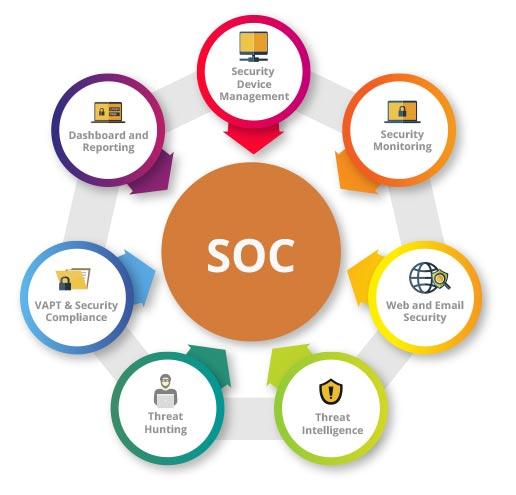
The critical responsibility of defending European businesses and institutions from cyber threats has cultivated a diverse and highly competitive market of security providers. An analysis of the Europe Security Operations Center Market Share reveals a landscape where market leadership is fragmented and highly regionalized, with no single player dominating the entire continent. The market is primarily a contest between large, pan-European telecommunications and IT service providers, global cybersecurity giants, and a thriving ecosystem of national and regional Managed Security Service Providers (MSSPs). Market share is determined not just by the size of a provider's client base, but by their geographic footprint, their depth of expertise in specific industries (like finance or manufacturing), their compliance with strict data sovereignty requirements, and their reputation for quality and reliability. The "local hero" often has a significant advantage over a global giant in their home market, creating a complex patchwork of leadership across the continent.
The Pan-European Behemoths: The Telecom and IT Service Giants
A significant portion of the outsourced SOC market share across Europe is held by large, established telecommunications companies and IT service providers. Companies like Orange Cyberdefense (part of Orange), Deutsche Telekom's T-Systems, and BT Security have a formidable presence. Their primary competitive advantage is their existing, deep-rooted relationships with thousands of large enterprise customers to whom they already provide network and IT services. This gives them a powerful channel to cross-sell SOC and managed security services. They also benefit from their pan-European operational footprint, with a network of SOCs located in multiple countries, allowing them to serve large, multinational clients while still meeting local data residency requirements. Global IT consultancies and system integrators like Atos and Capgemini also command a significant market share, often winning SOC contracts as part of larger, multi-year digital transformation and outsourcing deals with major European corporations.
The Global Cybersecurity Players and Their Partner-Led Model
While they don't always operate their own SOCs directly, the major global cybersecurity technology vendors, such as Microsoft, IBM, and the large network security players, hold a significant "indirect" market share. Their SIEM, XDR, and SOAR platforms are the technological heart of thousands of SOCs across Europe, both in-house and managed. Their market share strategy is often partner-led. They work closely with a vast network of MSSPs and system integrators, providing them with the technology platform upon which they build their managed services. Microsoft, in particular, has become a dominant force. Its Microsoft Sentinel (SIEM/SOAR) and Defender (XDR) platforms are a compelling choice for the millions of European businesses already using Microsoft 365 and Azure, and a huge number of MSSPs have built their service offerings on top of the Microsoft security stack. This partner-centric model allows the global tech giants to achieve massive scale and penetration across the European market.
The National Champions: The Power of Local Trust and Sovereignty
The most dynamic and fragmented part of the market share battle is fought at the national level. In nearly every European country, there is a thriving ecosystem of "national champion" MSSPs who have built a strong market share by focusing exclusively on their home market. These providers, whether in Germany, France, the Nordics, or the Benelux region, compete effectively against the pan-European giants by emphasizing their local expertise, cultural understanding, and, most importantly, their commitment to data sovereignty. They guarantee that all customer data is stored and analyzed within the country's borders, by staff who are citizens of that country, speaking the local language. For many European businesses, particularly in the public sector and in privacy-conscious industries, this local trust factor is a powerful differentiator that often outweighs the scale of a global provider. This has created a resilient and diverse market where local and regional specialists can successfully coexist and thrive alongside the major international players.
➤ In-Depth Market Studies by Market Research Future:

 English
 Arabic
 French
 Spanish
 Portuguese
 Deutsch
 Dutch
Dutch
 Italiano
 Russian
 Romaian
 Portuguese (Brazil)
 Greek
Greek
