


How Manufacturers Can Plan Expansion with State Incentives and Export Benefits
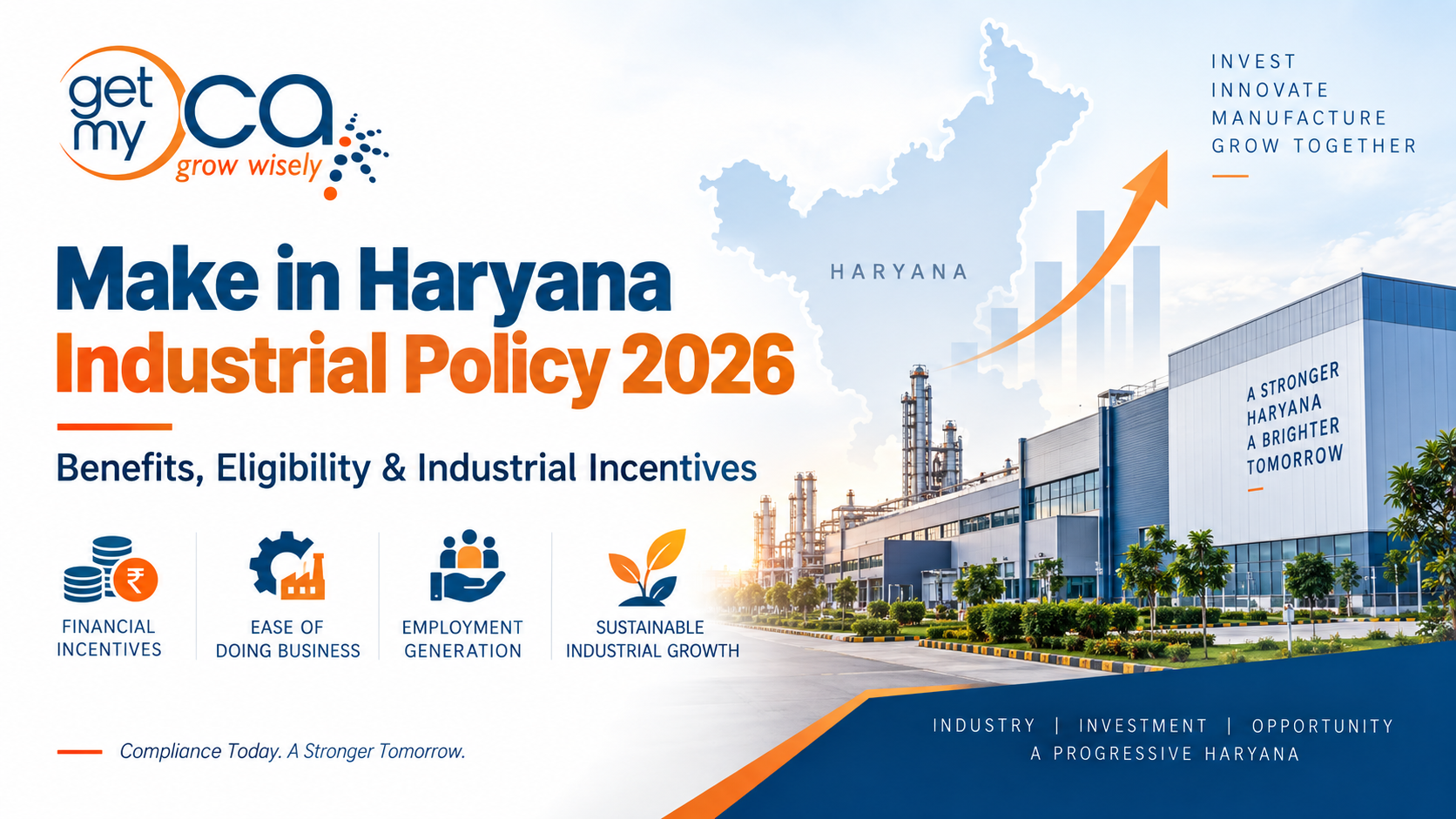
Manufacturing expansion often involves large investments in machinery, production capacity, utilities, and supporting infrastructure. Before committing capital, businesses should evaluate not only the purchase cost but also available policy support, export-linked obligations, financing requirements, and documentation.
For businesses planning a new unit or expansion in Haryana, understanding the Haryana manufacturing incentive framework can help assess whether a proposed project may fall within the relevant industrial policy conditions. Factors such as project size, location, investment category, employment generation, and eligible expenditure should be reviewed before implementation.
Export-oriented manufacturers may also need to evaluate machinery procurement separately. EPCG machinery import planning can be relevant where eligible capital goods are proposed to be imported for manufacturing activities connected with exports. Businesses should review duty implications, export obligation requirements, installation documentation, and authorization timelines before finalizing the purchase.
A practical expansion plan should bring both areas together. For example, a manufacturer setting up or expanding a plant in Haryana may need to compare state-level industrial incentives with central export-related benefits. This helps management understand the overall financial structure of the project rather than evaluating each incentive independently.
Documentation should also begin at the planning stage. Machinery quotations, project reports, investment schedules, loan records, employment projections, invoices, installation evidence, and export-related records may become important during different application or compliance stages.
Businesses should avoid making investment decisions only on the basis of the headline subsidy or duty benefit. Eligibility conditions, timelines, compliance responsibilities, and actual project economics should be considered together.
Early evaluation can help manufacturers structure expansion projects more carefully and identify potential compliance requirements before significant capital expenditure is committed.

 English
 Arabic
 Spanish
 Portuguese
 Deutsch
 Turkish
 Dutch
Dutch
 Italiano
 Russian
 Romaian
 Portuguese (Brazil)
 Greek
Greek
