


Tooth Extraction: What to Expect Before Treatment
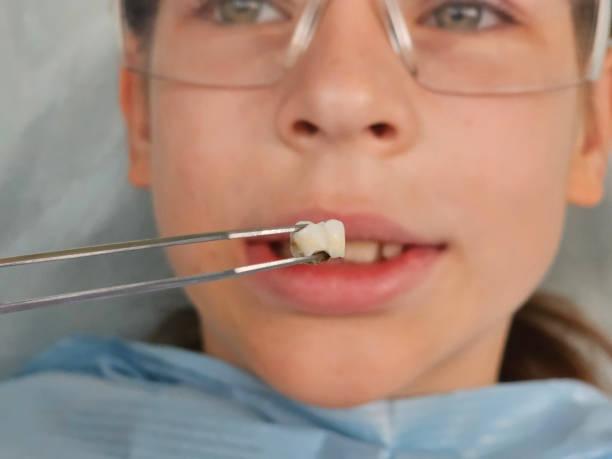
Knowing what to expect before a dental procedure can make the experience feel more manageable. Tooth Extraction in Dubai may be recommended when a tooth is severely damaged, infected, impacted, or cannot be restored successfully. Before removal, your dentist will assess the tooth carefully and explain why extraction is being considered.
The preparation stage is important because every extraction is different. A simple extraction of a visible tooth may require a different approach from the removal of an impacted wisdom tooth. Understanding the treatment plan and following your dentist's instructions can help make the procedure and recovery more comfortable.
Why Is Extraction Being Recommended?
The first step is understanding the reason for removing the tooth. Extensive decay may have destroyed too much tooth structure for a filling or crown to provide a reliable solution. A severely cracked tooth may also be difficult to restore, particularly when the fracture extends below the gum line.
In some cases, infection can damage the pulp and surrounding tissues. Root canal therapy may be an alternative when the tooth can be preserved, but extraction may be necessary when the remaining structure is inadequate.
Impacted wisdom teeth, advanced gum disease, overcrowding, and certain orthodontic treatment plans can also lead to recommendations for tooth removal.
Dental Clinic: Your Initial Assessment
At a professional Dental Clinic, the dentist will examine the tooth and surrounding gums before deciding how extraction should be performed. Dental X-rays are often useful because they show the position and shape of the roots and the supporting bone.
Your dentist may ask about your symptoms, previous dental treatments, medications, and allergies. Providing accurate information helps the dental team plan appropriate care.
The examination also gives you an opportunity to discuss concerns about discomfort, recovery, anesthesia, and possible tooth replacement options.
Will You Receive Anesthesia?
Local anesthesia is commonly used during tooth extraction to numb the treatment area. This helps reduce discomfort while the dentist loosens and removes the tooth.
Patients may notice pressure, movement, or pushing sensations during the procedure, but sharp pain should generally be minimized when the area is properly anesthetized.
For certain complex procedures, additional sedation options may be discussed. If sedation is planned, your dentist will provide specific instructions about eating, drinking, transportation, and other preparation requirements.
What Should You Tell Your Dentist?
Before extraction, inform your dentist about all relevant medications and any known allergies. You should also mention previous reactions to anesthesia or difficulties you have experienced during earlier dental procedures.
If you have experienced swelling, fever, persistent pain, or other symptoms, explain when they started and whether they have changed.
Clear communication allows your dental professional to understand your situation and adjust the treatment plan when necessary.
How Can You Prepare at Home?
Follow any specific instructions provided by your dentist before the appointment. Maintaining regular oral hygiene can help keep the mouth clean, although the affected area should be treated gently if it is painful.
It can also be helpful to plan some rest after the procedure. Having comfortable foods available for the early recovery period may make eating easier.
If your dentist has given you specific instructions about medications or fasting because of sedation, follow those instructions carefully rather than relying on general advice.
What Happens During the Procedure?
Once the treatment area is numb, the dentist carefully loosens the tooth from the surrounding tissues. A simple extraction can often be performed when the tooth is fully visible.
If the tooth is impacted or difficult to access, a surgical extraction may be required. The dentist may need to make a small opening in the gum or divide the tooth into sections to remove it safely.
The exact procedure depends on the tooth's location, root structure, and surrounding anatomy.
What Happens Immediately After Removal?
After the tooth is removed, a blood clot normally forms inside the extraction socket. This is an important part of the natural healing process.
Your dentist may place gauze over the area and provide instructions about how long to apply pressure. Some bleeding, swelling, and tenderness can occur during the initial recovery period.
You should avoid disturbing the extraction site and follow all aftercare instructions provided by your dental professional.
What Should You Expect During Recovery?
Recovery varies from person to person. Simple extractions may involve less discomfort, while surgical procedures can require a longer healing period.
Soft foods may be more comfortable during the first part of recovery. Avoid putting unnecessary pressure on the treatment area and maintain gentle oral hygiene according to your dentist's recommendations.
If pain or swelling becomes significantly worse rather than gradually improving, contact your dentist for professional advice.
Can the Missing Tooth Be Replaced?
If the extracted tooth affects chewing, appearance, or tooth alignment, your dentist may discuss replacement options after the area has healed. Depending on your needs, possibilities may include a dental implant, bridge, or partial denture.
The appropriate option depends on the location of the missing tooth, your oral health, bone condition, and overall treatment goals.
Making the Procedure Easier
Being prepared can reduce uncertainty and help you feel more comfortable about tooth removal. Understanding the reason for extraction, discussing your concerns, following preparation instructions, and planning for recovery can all contribute to a smoother experience.
When a tooth cannot be preserved, Tooth Extraction can address severe damage, infection, or other dental problems while supporting the health of surrounding structures. Proper professional care and consistent oral hygiene after treatment can help promote healing and protect your remaining natural teeth.

 English
 Arabic
 French
 Spanish
 Portuguese
 Deutsch
 Turkish
 Dutch
Dutch
 Italiano
 Russian
 Portuguese (Brazil)
 Greek
Greek
