


Dental Implants: Recovery and Aftercare Guide
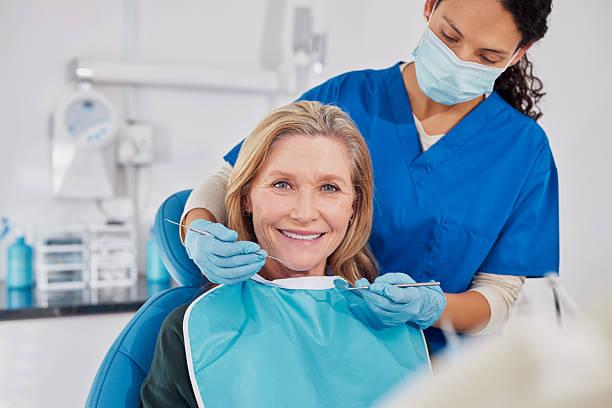
Recovery is an important part of successful implant treatment. If you are considering Dental Implants in Dubai, understanding what happens after surgery can help you prepare for the healing process. Although recovery differs from one patient to another, following professional instructions can support healthy healing and reduce the risk of complications.
After implant placement, the gums and surrounding tissues need time to recover. The implant also needs to become securely integrated with the jawbone through a natural process called osseointegration. This stage is essential because it creates a stable foundation for the replacement tooth that will eventually be attached to the implant.
What to Expect After Implant Surgery
Some swelling, tenderness, or mild discomfort is common during the first few days following dental implant surgery. These symptoms generally improve as the tissues begin to heal. Your dental professional may provide specific instructions regarding prescribed medication, cleaning, eating, and other aspects of recovery.
It is important not to disturb the implant site while it is healing. Touching the area unnecessarily or applying pressure can interfere with the recovery process. Patients should also follow any recommendations regarding physical activity, smoking, alcohol, and other habits that may affect healing.
Dental Clinic: Follow-Up During Recovery
Regular follow-up appointments at a Dental Clinic allow your dental team to monitor the implant site and evaluate the progress of healing. These visits are especially important because implant treatment involves several stages, and the implant must be sufficiently stable before the final dental crown or restoration is placed.
During an appointment, your dentist may examine the gums, check the condition of the surrounding teeth, and assess whether the implant is integrating properly with the jawbone. Keeping scheduled appointments can help identify potential concerns early and ensure that treatment progresses as planned.
Eating During the Healing Period
Diet can play an important role during the early stages of recovery. Soft foods are generally easier to eat because they require less chewing and place less pressure on the surgical area. Depending on your dentist's instructions, foods such as yogurt, eggs, mashed vegetables, soups, and soft grains may be suitable choices.
As healing progresses, you can gradually return to your normal diet. However, it is wise to avoid very hard, sticky, or crunchy foods until your dental professional confirms that the implant area is ready. Chewing directly over the surgical site too early may cause unnecessary irritation.
Staying hydrated is also important. Drinking enough water supports general health and helps maintain a comfortable oral environment. Patients should follow their dentist's individual recommendations because recovery needs can vary depending on the number of implants placed and the complexity of the procedure.
Maintaining Good Oral Hygiene
Keeping the mouth clean is essential for protecting the implant and surrounding gum tissue. However, the surgical area may require special care during the initial healing period. Your dentist can explain when and how to brush around the implant and whether a specific mouth rinse or cleaning technique is appropriate.
Good oral hygiene should continue after the implant has fully healed. Brushing twice daily, cleaning between teeth, and attending regular dental checkups can help control plaque and support healthy gums. A clean oral environment can also protect the natural teeth surrounding the implant.
Patients should avoid aggressive brushing around a healing implant because excessive pressure can irritate sensitive tissues. Instead, gentle and consistent cleaning should be maintained according to professional guidance.
Protecting the Implant During Healing
The healing period requires patience. Even when the gums begin to feel better, the implant may still be integrating with the jawbone underneath. Avoiding unnecessary pressure on the implant gives the supporting bone and tissues time to develop stability.
Smoking can negatively affect oral healing and may increase the risk of implant-related complications. For this reason, patients should discuss smoking with their dental professional and follow recommendations about avoiding tobacco during recovery.
It is also important to report unusual symptoms rather than ignoring them. Persistent or increasing pain, significant swelling, bleeding, fever, or other unexpected changes should be discussed with your dentist promptly.
Long-Term Care After Recovery
Once the implant has successfully healed and the final restoration is placed, long-term care becomes part of your normal oral health routine. Dental implants are designed to provide stable tooth replacement, but they still require regular maintenance.
Your dentist may recommend periodic examinations to evaluate the implant, crown, gums, and surrounding teeth. Professional cleanings can also help manage plaque and tartar that may contribute to gum problems.
A healthy lifestyle and consistent oral hygiene can contribute to the long-term performance of an implant. Protecting your teeth from excessive force and addressing dental problems early can also help maintain your restored smile.
Supporting a Successful Implant Outcome
Successful recovery depends on several factors, including overall oral health, bone condition, implant placement, hygiene, and following aftercare instructions. Every patient's healing timeline can be different, so it is important to avoid comparing your recovery with someone else's experience.
Following professional advice, attending follow-up visits, maintaining good oral hygiene, and allowing adequate healing time can provide the best conditions for a stable result. With proper care and regular dental attention, Dental Implants can become a durable and functional part of your smile.

 English
 Arabic
 Spanish
 Portuguese
 Deutsch
 Turkish
 Dutch
Dutch
 Italiano
 Russian
 Romaian
 Portuguese (Brazil)
 Greek
Greek
