


Dental CBCT Scan: What to Expect
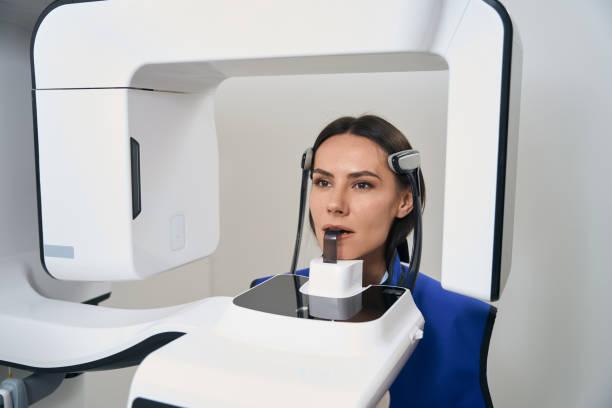
A Dental CBCT Scan in Dubai is an advanced imaging procedure that creates detailed three-dimensional images of the teeth, jawbone, nerves, and surrounding oral structures. It may be recommended when conventional dental X-rays do not provide enough information for a detailed diagnosis or treatment plan. Understanding what happens before, during, and after the scan can help patients feel more comfortable with the procedure.
CBCT stands for cone beam computed tomography. The technology captures multiple images from different angles and combines them to create a 3D representation of the area being examined. This allows dentists to view dental anatomy from several directions and assess structures that may be difficult to understand through traditional two-dimensional imaging.
When Might a CBCT Scan Be Recommended?
A dentist may recommend CBCT imaging for several different reasons. It can be useful when evaluating impacted wisdom teeth, complicated root anatomy, jawbone conditions, or unusual dental symptoms. It is also frequently considered when detailed information is needed before dental implant placement.
For implant planning, the dentist may need to assess the amount of available bone and determine the location of nearby nerves or other important structures. A CBCT scan can provide this information in three dimensions, helping the dental professional develop an appropriate treatment approach.
CBCT imaging may also be considered for selected orthodontic cases, oral surgery, and complex root canal situations. The exact reason for the scan depends on the patient's dental condition and the information required by the treating dentist.
Dental Clinic: Preparing for Your CBCT Scan
A Dental Clinic will usually provide specific instructions before the imaging appointment. In many cases, complicated preparation is not required. Patients may simply be asked to remove items such as glasses, jewelry, hair accessories, or other objects that could interfere with the image.
It is important to tell the dental professional about any relevant dental history and previous imaging. Providing this information can help the dentist determine whether a CBCT scan is necessary and which area should be examined.
Patients should also follow any instructions provided by their dental team. If the imaging is being performed as part of implant planning, oral surgery, or another procedure, the dentist may explain beforehand what information they are looking for in the scan.
What Happens During the Scan?
During the examination, the patient is positioned carefully so that the imaging equipment can capture clear images. Depending on the type of CBCT machine, the patient may sit or stand while the scanner rotates around the head.
The equipment captures multiple images while the patient remains still. Staying in the correct position is important because movement can reduce image quality and may make the scan more difficult to interpret.
The actual imaging process is generally quick. The exact duration depends on the machine and the area being scanned. Unlike some dental procedures, CBCT imaging does not normally involve injections or physical contact with the teeth.
Is the Procedure Uncomfortable?
For most patients, the imaging process itself is straightforward and does not cause pain. The most important requirement is remaining still while the equipment captures the images.
Some patients may feel slightly uncomfortable if they are nervous about dental equipment or enclosed spaces. However, the scanning process is usually brief. Communicating concerns with the dental team beforehand can help make the experience easier.
Because the scan is non-invasive, patients can generally return to their normal activities immediately afterward unless they are having another dental procedure at the same appointment.
How Does the Dentist Use the Images?
Once the images have been captured, specialized software creates a three-dimensional representation of the examined area. The dentist can review the images from different angles and examine specific structures in greater detail.
The information may be used to assess bone volume, tooth position, root anatomy, impacted teeth, nerves, and other structures. In implant dentistry, for example, the images can help with evaluating the proposed implant site. In oral surgery, they may help the dentist understand the relationship between a tooth and nearby anatomical structures.
CBCT images can therefore contribute to a more comprehensive treatment plan when additional anatomical information is needed.
Are There Radiation Concerns?
CBCT uses X-rays, so it involves radiation exposure. For this reason, dentists generally recommend the scan only when the additional diagnostic information is clinically useful. The appropriate imaging method and scan settings depend on the patient's individual circumstances and the area being examined.
Patients should always discuss concerns about radiation with their dental professional. The dentist can explain why the scan has been recommended and whether the expected diagnostic benefit makes advanced imaging appropriate.
What Happens After the Scan?
After the imaging is complete, the dentist reviews the results together with the patient's symptoms, clinical examination, and any other relevant dental records. The scan itself does not automatically determine a diagnosis; it is one part of the overall diagnostic process.
If the images reveal information that affects treatment planning, the dentist can discuss the findings and explain the next steps. Depending on the reason for the scan, this may involve monitoring a condition, planning an implant procedure, evaluating an impacted tooth, or considering another form of dental treatment.
Understanding the CBCT Experience
Knowing what to expect can make advanced dental imaging feel much less complicated. From preparation to image capture and professional evaluation, a CBCT examination is generally a straightforward process designed to provide detailed information about the oral and maxillofacial structures.
When recommended for an appropriate clinical reason, a Dental CBCT Scan can give dentists a clearer three-dimensional view of the treatment area and support more informed diagnosis and treatment planning.

 English
 Arabic
 French
 Spanish
 Portuguese
 Deutsch
 Dutch
Dutch
 Italiano
 Russian
 Romaian
 Portuguese (Brazil)
 Greek
Greek
