


Frozen Food Market Size, Trends & Forecast to 2035
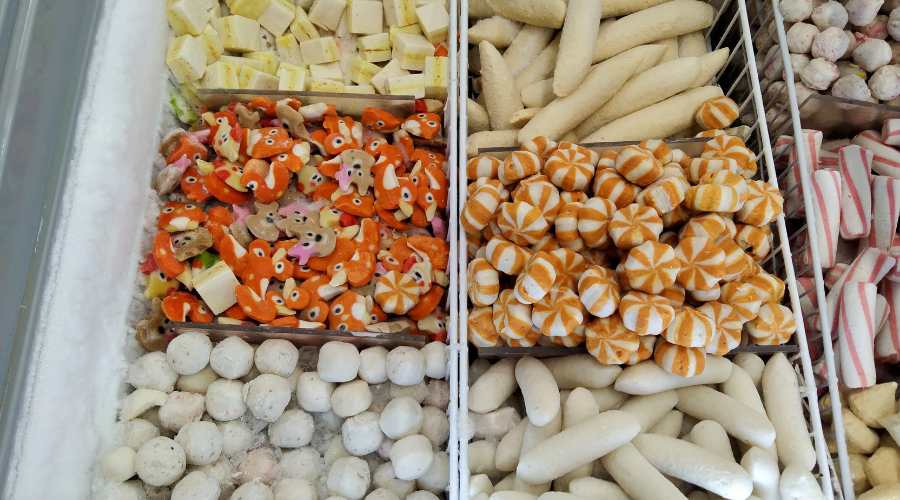
The frozen food market has moved well beyond the image of basic convenience meals and frozen vegetables. Improvements in freezing technology, cold-chain logistics, packaging, product formulation and retail distribution have made frozen products an increasingly important part of the modern food system. Consumers can now find frozen fruits, vegetables, meat, seafood, ready meals, snacks and desserts designed for everything from quick household meals to food-service operations.
The global frozen food market reached USD 5.13 billion in 2025 and is projected to grow at a 7.10% CAGR between 2026 and 2035, reaching approximately USD 10.19 billion by 2035, based on the market figures provided for this analysis.
Several structural factors support this expansion. Urbanization and busier lifestyles are increasing demand for convenient food, while frozen products can offer longer shelf life and greater flexibility than many fresh alternatives. At the same time, consumers are becoming more selective about nutrition, ingredients, portion sizes and preparation time.
The market is also benefiting from improvements throughout the supply chain. Modern freezing methods can preserve the quality of foods more effectively, while advanced cold-chain infrastructure allows products to travel longer distances while maintaining controlled temperatures. This combination is making frozen food increasingly relevant to both developed and emerging markets.
What Is Driving Growth in the Frozen Food Market?
The frozen food market is being driven primarily by convenience, longer shelf life, urban lifestyles, changing household structures and improvements in cold-chain infrastructure. Consumers increasingly want food that can be stored for longer periods and prepared quickly without requiring extensive meal planning.
Convenience is perhaps the strongest underlying demand driver. Many consumers work longer hours, commute frequently or manage households in which meal preparation time is limited. Frozen ready meals, vegetables, snacks and partially prepared foods can reduce preparation time while allowing consumers to keep products available when needed.
Food waste is another consideration. Freezing can extend the usable life of many foods, helping households and food-service businesses reduce losses associated with spoilage. The U.S. Food and Drug Administration notes that freezing keeps food safe by slowing the movement of molecules and preventing microorganisms from growing, although freezing does not destroy most microorganisms. (fda.gov)
The expansion of supermarkets, convenience stores, online grocery platforms and organized retail is also increasing access to frozen products. In markets where household refrigeration is becoming more common, consumers can store frozen products more conveniently, creating a reinforcing relationship between appliance penetration and frozen-food consumption.
Food-service operators are another important source of demand. Restaurants, hotels, cafeterias and institutional kitchens use frozen ingredients because they can simplify inventory planning, reduce preparation requirements and provide more predictable availability throughout the year.
Why Are Consumers Choosing More Frozen Foods?
Consumers increasingly choose frozen foods because they combine convenience, storage flexibility and consistent availability. Modern frozen products can also preserve much of the nutritional value and sensory quality of foods when they are properly processed, frozen and stored.
The traditional perception that frozen food is automatically inferior to fresh food is becoming less relevant for many product categories. Vegetables and fruits can be frozen soon after harvesting, while seafood and meat can be frozen to preserve products during transportation and storage.
Consumer expectations, however, are changing. Convenience alone is no longer sufficient. Shoppers increasingly look at ingredient labels, protein content, sodium levels, calories, portion sizes and preparation methods.
This is encouraging manufacturers to develop premium frozen products, clean-label recipes, plant-based alternatives and meals positioned around specific dietary preferences. The market is therefore expanding not only through greater consumption of existing products but through product innovation.
Which Product Categories Are Shaping the Frozen Food Industry?
Frozen fruits and vegetables, frozen meat and fish, ready meals, desserts and snacks form the core of the market, but growth is increasingly being shaped by products that combine convenience with nutrition, variety and restaurant-style experiences.
Frozen fruits and vegetables benefit from their versatility. Consumers can use frozen produce in smoothies, cooking, side dishes and meal preparation without needing to consume it immediately after purchase. For retailers, frozen produce also offers year-round availability and reduces some of the risks associated with highly perishable fresh inventory.
Frozen meat and fish represent another major segment, particularly where consumers value longer storage periods. Frozen seafood can be especially important in markets where supply chains require products to travel substantial distances from production areas to consumers.
The frozen-cooked ready-meal segment is closely linked to convenience. Products range from traditional prepared meals to internationally inspired cuisine and increasingly sophisticated premium dishes. Manufacturers are investing in improved recipes, packaging and cooking methods to address concerns about taste and texture.
Frozen desserts benefit from indulgence-oriented consumption as well as innovation in ice cream, frozen yogurt and other formats. Meanwhile, frozen snacks are expanding beyond conventional products as consumers look for quick foods that can be prepared in ovens, air fryers and other countertop appliances.
The “others” category captures specialized and emerging products, including niche dietary offerings and new frozen formats. As retailers allocate more shelf space to premium and differentiated frozen products, these smaller categories can create disproportionate opportunities for innovation.
How Are Ready-to-Eat and Half-Cooked Products Changing Demand?
Ready-to-eat and half-cooked frozen products are gaining attention because they reduce the amount of preparation required at home while still allowing consumers to control the final cooking process. They occupy an important middle ground between fully raw ingredients and completely prepared meals.
Raw frozen materials remain important for consumers who prefer to cook from scratch but want longer storage life. Half-cooked products, meanwhile, can shorten preparation without completely removing the cooking experience.
Ready-to-eat products go further by minimizing preparation. This format is particularly attractive to single-person households, younger consumers, busy professionals and families looking for quick meal solutions.
The growth of air fryers, convection ovens and microwave cooking is also influencing product development. Manufacturers increasingly design frozen foods around specific cooking appliances and preparation methods, making convenience part of the product's overall value proposition rather than simply a marketing message.
How Are Retail and Food-Service Channels Expanding the Market?
Retail remains central to frozen food consumption because supermarkets, hypermarkets, convenience stores and online grocery platforms give consumers direct access to a broad selection of frozen products. Food service provides a complementary demand stream through restaurants, hospitality, institutional kitchens and catering businesses.
Retailers have increasingly sophisticated frozen sections designed to make products easier to discover. Improvements in freezer displays, packaging and merchandising help manufacturers communicate nutritional attributes, preparation time and serving occasions.
E-commerce is also changing frozen-food distribution, although it presents more complex logistical requirements than ambient grocery delivery. Frozen products must remain within appropriate temperature ranges throughout storage and transportation, requiring specialized fulfillment and last-mile infrastructure.
The food-service channel has a different set of priorities. Restaurants and commercial kitchens value consistency, portion control, labor efficiency and predictable supply. Frozen ingredients can reduce the amount of preparation required on-site and help kitchens maintain inventory during demand fluctuations.
This is particularly valuable for large restaurant chains and institutional food providers. Standardized frozen ingredients can help ensure that products have consistent specifications across multiple locations.
Food service also provides manufacturers with an opportunity to develop products that are not necessarily suitable for conventional retail. Bulk packaging, pre-portioned ingredients and partially prepared foods can reduce labor requirements while improving kitchen efficiency.
How Is Technology Improving Frozen Food Quality and Supply Chains?
Technology is improving frozen food through faster freezing, better packaging, automated processing, temperature monitoring and more sophisticated cold-chain management. The goal is to preserve product quality while reducing waste, energy use and distribution losses.
Freezing rate matters because the formation and size of ice crystals can affect the texture of food. Faster freezing can generally produce smaller ice crystals, which can help reduce damage to cellular structures in many products.
Modern processing facilities use increasingly automated systems to control freezing conditions, packaging and inventory. Sensors can monitor temperatures throughout production and storage, while digital supply-chain systems provide greater visibility into shipments and warehouse conditions.
Cold-chain reliability is particularly important because temperature fluctuations can affect quality even when products remain technically frozen. For manufacturers and retailers, maintaining stable conditions throughout transportation is therefore essential to protecting both product quality and brand reputation.
Packaging is evolving as well. Manufacturers are looking for materials that protect food from freezer burn, moisture loss and physical damage while improving convenience and sustainability. Resealable packaging, portioned formats and cooking-ready trays can make frozen products easier to use.
Sustainability presents a more complicated technology challenge. Freezers require energy, refrigerated transport consumes fuel or electricity, and packaging can contribute to environmental impacts. Producers therefore have incentives to improve energy efficiency, optimize logistics and reduce unnecessary packaging.
Which Regions Are Driving Frozen Food Market Expansion?
North America and Europe have mature frozen-food markets, while Asia Pacific represents a significant growth opportunity as urbanization, modern retail, disposable incomes and changing food habits increase demand for convenient products.
North America has long-established frozen-food consumption patterns and a sophisticated retail infrastructure. Consumers have access to extensive ranges of frozen meals, vegetables, meats, snacks and desserts, while established brands compete through convenience, premium positioning and product innovation.
The United States is particularly important because frozen food is deeply integrated into mainstream grocery shopping. The market is increasingly influenced by health-conscious consumers, private-label products, premium meals and products designed for modern cooking appliances.
Europe has a similarly mature market but is strongly influenced by sustainability, food quality and regulatory considerations. Consumers in many European markets are increasingly interested in ingredient transparency and environmentally responsible packaging while continuing to value convenience.
Asia Pacific presents a different growth profile. Rising urban populations, expanding modern retail, increasing refrigerator penetration and changing household structures are supporting frozen food adoption. Japan and South Korea have highly developed convenience-food markets, while China and India offer enormous long-term opportunities because of their population sizes and evolving consumer habits.
Latin America is seeing opportunities through expanding supermarkets, changing lifestyles and growing interest in convenient prepared foods. Meanwhile, the Middle East and Africa are experiencing gradual development in cold-chain infrastructure and organized retail, although market conditions vary significantly between countries.
Regional growth is therefore not simply determined by population. The availability of reliable refrigeration, household appliance ownership, disposable income, retail infrastructure and consumer familiarity with frozen products all influence market development.
How Are Major Food Companies Competing in the Frozen Food Market?
The competitive landscape combines global food companies, specialized frozen-food producers and regional brands. Competition increasingly centers on product quality, convenience, brand recognition, distribution reach, nutrition and the ability to respond quickly to changing consumer preferences.
The companies identified in the supplied market scope include Nestlé, Unilever, Tyson Foods, Conagra Brands, General Mills, McCain Foods, Nomad Foods, Ajinomoto, Wawona Frozen Foods and Grupo Nutresa, alongside other regional and international participants.
Nestlé competes across multiple food categories and has a substantial presence in frozen and prepared foods in selected markets. Unilever participates through its ice cream and food businesses, while Tyson Foods has a major position in frozen meat and prepared protein products.
Conagra Brands has a particularly recognizable presence in frozen meals and snacks in North America, while General Mills participates through frozen and convenience-oriented food brands. McCain Foods is a major global player in frozen potato products and related food-service categories.
Nomad Foods has a strong European frozen-food portfolio, while Ajinomoto brings expertise in prepared and convenience foods, particularly across Asian and international markets.
Competition is increasingly moving toward portfolio differentiation. Manufacturers are developing premium meals, plant-based products, high-protein options, internationally inspired recipes and products positioned around convenience and health.
Private-label products are another important competitive force. Supermarket-owned brands can offer lower prices while increasingly matching national brands on quality and packaging. This puts pressure on branded manufacturers to justify price premiums through innovation, quality and brand equity.
What Challenges Could Affect the Frozen Food Market?
The main challenges include energy costs, cold-chain complexity, sustainability concerns, changing consumer perceptions and intense competition. Manufacturers must balance affordability with the costs associated with freezing, refrigerated transportation and increasingly sophisticated packaging.
Energy is a fundamental concern because freezing and maintaining low temperatures require substantial power. Rising energy costs can affect manufacturers, warehouses, retailers and food-service operators.
Cold-chain disruptions are another risk. A frozen product can travel through farms, processing plants, warehouses, distribution centers, retail freezers and consumers' homes. Weakness at any stage can affect product quality.
Sustainability is becoming increasingly important. Companies face pressure to reduce emissions, improve freezer efficiency and move toward more recyclable or lower-impact packaging. However, packaging must still provide sufficient protection under demanding frozen conditions.
Consumer perception can also create challenges. Some shoppers associate frozen meals with excessive sodium, additives or lower nutritional quality. Manufacturers are responding with cleaner labels, improved formulations and more transparent nutritional communication.
Price sensitivity adds another layer. Consumers may trade down to private-label products during periods of economic pressure, forcing branded manufacturers to compete more aggressively on value.
What Is the Future Outlook for the Frozen Food Market?
The frozen food market is expected to benefit from continued demand for convenience, premiumization, improved product quality and expanding cold-chain infrastructure. Based on the supplied forecast, the market is expected to nearly double from USD 5.13 billion in 2025 to USD 10.19 billion by 2035.
Future growth will increasingly depend on how effectively companies reconcile convenience with health and sustainability. Consumers want food that is quick to prepare, but they also increasingly expect recognizable ingredients, attractive nutritional profiles and responsible packaging.
Innovation will therefore become more targeted. Instead of simply launching additional frozen products, manufacturers are likely to focus on specific consumption occasions: quick breakfasts, high-protein meals, family dinners, air-fryer snacks, premium restaurant-style dishes and convenient ingredients for home cooking.
The relationship between frozen food and food technology will also deepen. Improved freezing methods, digital temperature monitoring, automated warehouses and predictive supply-chain analytics can help companies improve quality while reducing operational waste.
E-commerce and omnichannel retail will remain important, particularly as cold-chain logistics become more sophisticated. Direct-to-consumer frozen food models may create additional opportunities for specialty products that would struggle to secure conventional supermarket shelf space.
Conclusion: Convenience Is Evolving Into a Broader Food Strategy
The frozen food market is entering a period in which convenience remains the central value proposition but is no longer sufficient by itself. Consumers increasingly expect frozen products to deliver quality, nutrition, variety, affordability and responsible sourcing alongside easy preparation.
With the market projected to expand from USD 5.13 billion in 2025 to USD 10.19 billion by 2035, growth opportunities extend across frozen produce, meat and seafood, ready meals, snacks and desserts. Retail will remain a critical channel, while food service will continue to rely on frozen ingredients for consistency, inventory flexibility and labor efficiency.
Regional dynamics will remain diverse. Mature markets such as North America and Europe are likely to emphasize premiumization, health, sustainability and product innovation, while Asia Pacific and other developing markets offer opportunities associated with urbanization, modern retail and expanding cold-chain infrastructure.
For manufacturers, the strongest competitive advantage will come from understanding the complete consumer journey. Better freezing technology, efficient logistics and attractive packaging matter, but so does creating a product that fits naturally into the way people actually eat.
The future of frozen food is therefore not simply about keeping food cold. It is about creating a reliable, convenient and increasingly sophisticated food system capable of delivering quality products whenever and wherever consumers need them.

 English
 Arabic
 French
 Spanish
 Deutsch
 Turkish
 Dutch
Dutch
 Italiano
 Russian
 Romaian
 Portuguese (Brazil)
 Greek
Greek
