


Fine Dining Restaurant Interior Designer USA Creating Exceptional Dining Spaces
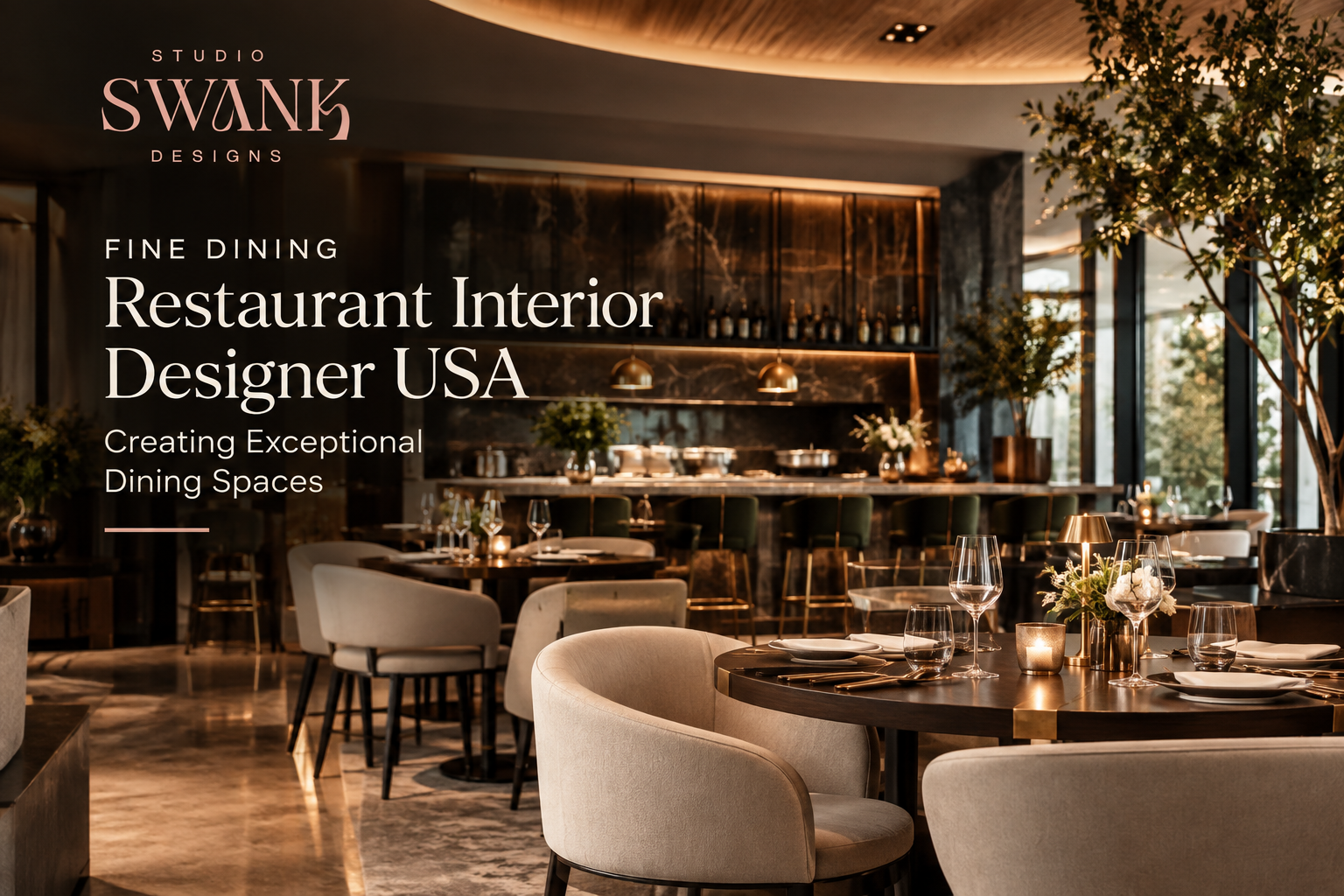
Fine dining is about more than an exceptional menu. From the moment guests enter, every detail contributes to their perception of the restaurant. The lighting, seating, materials, acoustics, colors, artwork, and overall layout work together to create an experience that feels refined and memorable.
A thoughtfully designed restaurant interior can strengthen a brand, improve guest comfort, support efficient operations, and create an atmosphere that complements the culinary concept. This is where an experienced Fine Dining Restaurant Interior Designer USA can make a meaningful difference.
What Makes Fine Dining Interior Design Different?
Fine dining spaces require a careful balance between sophistication and functionality. While the interior needs to look impressive, it should never interfere with the guest experience or restaurant operations.
A successful design considers:
-
Guest movement and seating arrangements
-
Lighting and ambience
-
Acoustic comfort
-
Material quality and durability
-
Kitchen and service circulation
-
Brand identity
-
Privacy and table spacing
-
Architectural and decorative details
Rather than following every passing trend, the best restaurant interiors are designed around the concept, target clientele, location, and long-term business goals.
Creating a Memorable First Impression
The guest experience begins before the first course reaches the table. Entrances, host stations, waiting areas, and reception spaces establish expectations about what lies ahead.
A refined entrance can use distinctive architectural details, sophisticated finishes, curated artwork, and carefully considered lighting to communicate the restaurant's personality.
For a luxury concept, even seemingly small details such as door hardware, flooring transitions, signage, or the host desk can contribute to a cohesive and premium impression.
Lighting That Sets the Mood
Lighting is one of the most powerful tools in fine dining design. The right lighting strategy can make a restaurant feel intimate, elegant, warm, or dramatic depending on the desired experience.
Layered lighting typically combines ambient, decorative, accent, and task lighting. Pendant fixtures can create visual focal points, while subtle accent lighting can highlight artwork, architectural features, or textured surfaces.
Adjustable lighting also allows restaurants to create different atmospheres for lunch, dinner, private events, and special occasions.
Materials, Furniture, and Details
Luxury does not necessarily mean using the most expensive materials everywhere. It is about selecting materials that feel appropriate, cohesive, durable, and intentional.
Natural stone, premium wood, textured fabrics, metal accents, custom millwork, and distinctive wall finishes can add depth and character to a restaurant.
Furniture should provide comfort while reinforcing the design concept. Tables, chairs, banquettes, and bar seating should work together visually without compromising circulation or functionality.
Designing for Comfort and Efficiency
Beautiful interiors still need to work efficiently behind the scenes. Staff should be able to move between dining areas, kitchens, bars, storage, and service stations without unnecessary obstacles.
Table spacing should provide an appropriate level of privacy while maintaining efficient use of floor space. Acoustic planning is equally important because excessive noise can negatively affect an otherwise sophisticated dining experience.
An experienced Fine Dining Restaurant Interior Designer USA understands that guest comfort and operational efficiency need to be considered together from the beginning of the design process.
Building a Strong Restaurant Brand Through Design
A restaurant interior should communicate what makes the brand unique.
Colors, materials, furniture, lighting, artwork, architectural elements, and custom features can all become part of the restaurant's visual identity. When these elements are carefully coordinated, the interior becomes an extension of the brand rather than simply a decorated dining room.
This consistency can also make the restaurant more recognizable across digital platforms, social media, marketing campaigns, and future locations.
Why Choose Studio Swank?
Studio Swank approaches restaurant interiors with a focus on creativity, functionality, and distinctive brand expression. The goal is to create spaces where design supports the complete dining journey from arrival and seating to service and departure.
Whether the concept calls for contemporary elegance, timeless sophistication, or a more expressive luxury aesthetic, thoughtful planning helps ensure every element serves a purpose.
Working with the right Fine Dining Restaurant Interior Designer USA can help restaurant owners transform a design concept into a polished environment that delivers lasting value for both guests and the business.
Conclusion
Fine dining restaurant design requires more than beautiful furniture and premium finishes. It requires an understanding of hospitality, guest psychology, brand identity, spatial planning, lighting, acoustics, and everyday restaurant operations.
With a strategic design approach, Studio Swank creates sophisticated dining environments that feel memorable while remaining practical and comfortable. The result is an interior that supports the restaurant's story and gives guests an experience worth remembering.
FAQs
1. What does a fine dining restaurant interior designer do?
A fine dining restaurant interior designer develops the interior concept, space planning, materials, lighting, furniture, finishes, and design details while considering guest experience and operational requirements.
2. Why is lighting important in fine dining restaurants?
Lighting establishes mood, highlights architectural and decorative elements, improves visual comfort, and helps create the intimate atmosphere associated with premium dining.
3. How can restaurant interior design improve the guest experience?
Thoughtful layouts, comfortable seating, appropriate acoustics, attractive materials, effective lighting, and consistent branding can make guests feel more comfortable and connected to the restaurant.
4. What materials work well in fine dining interiors?
Natural stone, quality wood, textured fabrics, metal accents, custom millwork, and durable decorative finishes can work well when selected according to the restaurant's concept and operational needs.
5. Why choose Studio Swank for restaurant interior design?
Studio Swank combines creative design with practical space planning and brand-focused thinking to develop distinctive restaurant environments designed around the guest experience and business objectives.

 English
 Arabic
 French
 Spanish
 Portuguese
 Deutsch
 Turkish
 Dutch
Dutch
 Italiano
 Russian
 Romaian
 Greek
Greek
