


From Outdated to Outstanding: A Smart Guide to Planning a Successful Home Transformation
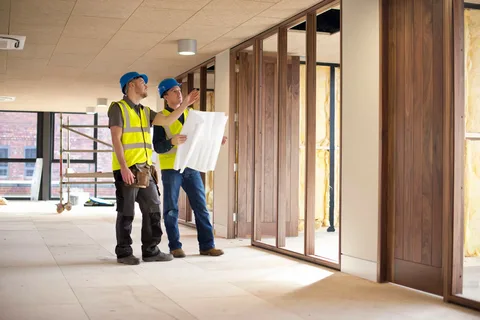
A home renovation can completely change the way a property looks, feels, and functions. Whether you are updating a single room or planning a complete transformation, the success of the project depends on careful planning, quality workmanship, realistic budgeting, and choosing the right professionals.
Homeowners often focus first on paint colors, flooring, cabinets, and fixtures. While these details matter, the bigger picture is just as important. A successful remodeling project requires coordination between design, construction, materials, permits, scheduling, and skilled trades.
Working with an experienced General contractor can make this process considerably easier. Instead of managing different workers, deliveries, schedules, and unexpected problems yourself, you have a professional coordinating the major elements of the project.
Why Proper Planning Matters Before Remodeling
One of the most common mistakes homeowners make is starting construction before developing a clear plan. Remodeling without a defined scope can lead to delays, unnecessary expenses, and design compromises.
Before work begins, consider how you want the finished space to look and how you expect to use it. Think about your family's current needs as well as your future plans. A kitchen, for example, should not only look attractive but also provide practical storage, comfortable movement, adequate lighting, and durable surfaces.
The same principle applies to bathrooms, bedrooms, living spaces, basements, and outdoor areas.
A good remodeling plan should address:
- Project goals and priorities
- Available budget
- Desired materials and finishes
- Structural requirements
- Expected project timeline
- Necessary permits
- Plumbing and electrical requirements
- Heating and cooling considerations
- Long-term maintenance
Planning these elements early gives everyone a clearer understanding of what needs to happen.
Choosing the Right Professional for Your Project
Not every remodeling project has the same requirements. A small cosmetic update may need only a few specialized trades, while a large renovation can involve carpentry, electrical work, plumbing, flooring, drywall, painting, roofing, and structural modifications.
For larger projects, a General contractor can serve as the central point of communication. This professional typically coordinates workers, schedules, materials, inspections, and other construction details.
When comparing contractors, homeowners should look beyond the lowest estimate. A very inexpensive quote may not include important work or may rely on lower-quality materials.
Instead, consider:
- Previous remodeling experience
- Portfolio of completed projects
- References and customer feedback
- Communication style
- Written estimates
- Project schedule
- Insurance and licensing requirements
- Warranty information
- Approach to unexpected construction problems
Clear communication is especially important. You should feel comfortable asking questions about costs, materials, timelines, and changes before signing an agreement.
Understanding the Role of a Concrete Contractor
Concrete work is often underestimated during remodeling and construction projects. Driveways, patios, walkways, foundations, retaining walls, garage floors, and other surfaces require proper preparation and installation.
A qualified Concrete Contractor understands factors such as soil conditions, reinforcement, drainage, grading, concrete mixtures, curing, expansion joints, and surface finishing.
Poorly installed concrete may crack, settle, drain incorrectly, or deteriorate prematurely. Fixing these problems later can be much more expensive than doing the work correctly from the beginning.
If your renovation includes a new patio, driveway, walkway, foundation extension, or other concrete feature, make sure the professional handling the work understands the specific requirements of your property.
Concrete should also complement the overall design. Decorative finishes, textures, borders, and colors can help outdoor areas look intentional rather than simply functional.
When Full Home Remodeling Makes Sense
A homeowner may initially plan to renovate one room and later discover that several areas of the property need attention. In some situations, completing multiple improvements together can be more efficient than renovating individual spaces years apart.
Full Home Remodeling may involve updating kitchens, bathrooms, flooring, lighting, walls, doors, windows, living spaces, and other areas as part of one coordinated project.
The biggest advantage is consistency. Instead of having different design styles throughout the house, you can create a cohesive appearance.
It may also provide an opportunity to address hidden issues. During an extensive renovation, professionals can inspect older plumbing, electrical systems, insulation, framing, ventilation, and other components that may otherwise remain untouched.
However, a whole-house renovation requires careful organization. Homeowners should establish priorities and understand which improvements are essential and which are simply desirable.
Creating a Realistic Remodeling Budget
Budgeting is one of the most important parts of any renovation. The final cost can depend on the size of the property, project complexity, materials, labor, structural changes, and local construction requirements.
Rather than spending the entire budget on visible finishes, reserve part of it for unexpected issues. Older homes can reveal surprises once walls, floors, or ceilings are opened.
A practical budget should include:
- Labor costs
- Building materials
- Fixtures and finishes
- Permits and inspections
- Demolition and disposal
- Design or architectural services when needed
- Possible structural repairs
- A contingency reserve
It is also wise to separate must-have improvements from optional upgrades. If the budget becomes tight, you can postpone cosmetic additions without compromising essential construction work.
Quality Materials Can Improve Long-Term Value
Choosing materials based only on appearance can create problems later. Remodeling is an investment, so durability should be considered alongside style.
For kitchens, durable countertops, quality cabinetry hardware, moisture-resistant materials, and easy-to-clean surfaces can make daily life easier.
In bathrooms, waterproofing is particularly important. Attractive tile cannot compensate for poor installation behind the walls.
For flooring, consider traffic levels, pets, children, moisture exposure, maintenance requirements, and expected lifespan.
Outdoor improvements require equally careful material selection. Concrete, decking, siding, roofing, and exterior finishes must withstand local weather conditions.
The goal is not always to purchase the most expensive material. Instead, select products that offer the right balance of durability, appearance, maintenance, and price.
Communication Keeps Remodeling Projects on Track
Even a well-planned renovation can experience unexpected changes. Materials may become unavailable, hidden damage may be discovered, or weather may affect exterior work.
Good communication helps minimize the impact.
Homeowners should know who to contact when questions arise and how project changes will be documented. Any significant modification should ideally be discussed before the work is completed.
A professional General contractor should provide reasonable updates about progress, upcoming stages, scheduling changes, and important decisions.
Written documentation is also valuable. Keep copies of estimates, contracts, invoices, product selections, change orders, warranties, and other project information.
This creates a clear record and helps prevent misunderstandings.
Improving Energy Efficiency During Remodeling
A renovation is also an opportunity to improve energy performance.
Depending on the property, improvements may include:
- Better insulation
- Energy-efficient windows
- Improved doors and weather sealing
- LED lighting
- Efficient appliances
- Modern heating and cooling equipment
- Improved ventilation
- Smart thermostats
- Water-saving plumbing fixtures
Some upgrades may have higher upfront costs but can reduce operating expenses over time.
Energy efficiency should be considered during the planning stage because certain improvements become more difficult after walls and ceilings have been finished.
Design for Both Beauty and Function
A beautiful home is enjoyable, but a practical home is easier to live in.
For example, a kitchen may look impressive in photographs but still be frustrating if appliances are poorly positioned or there is insufficient counter space.
Likewise, a bathroom should provide enough storage, appropriate lighting, comfortable movement, and proper ventilation.
During Full Home Remodeling, think about how people actually move through the house. Consider storage, furniture placement, lighting, accessibility, cleaning, maintenance, and everyday routines.
A successful design does not simply follow trends. It reflects the homeowner's lifestyle while maintaining a timeless foundation.
Protecting Your Investment After Construction
Once construction is finished, maintenance becomes the next priority.
Keep documentation for major products and equipment. Follow recommended maintenance schedules for HVAC systems, roofing, plumbing fixtures, appliances, exterior surfaces, and concrete areas.
Small problems should also be addressed early. A minor leak, crack, drainage issue, or damaged finish can become much more expensive if ignored.
Regular maintenance protects the money you have invested and helps your newly renovated home remain attractive and functional for many years.
Final Thoughts
A successful renovation is more than a collection of new finishes. It is a carefully coordinated process that combines design, construction knowledge, quality materials, skilled workmanship, and good communication.
Whether you are improving one room, adding outdoor features, or planning Full Home Remodeling, taking time to establish your goals and budget can make a major difference.
The right General contractor can help bring the different parts of a project together, while specialized professionals such as a Concrete Contractor can handle specific technical requirements.
Most importantly, focus on creating a home that works for your lifestyle rather than simply following temporary design trends. When thoughtful planning and quality workmanship come together, the result can be a property that is more comfortable, functional, attractive, and valuable for years to come.
Frequently Asked Questions
1. How should I start a home remodeling project?
Start by identifying your goals, setting a realistic budget, determining your priorities, and evaluating the condition of your property. Then discuss the project with qualified professionals who can help determine the scope of work.
2. Should I choose a contractor based on the lowest price?
Not necessarily. Price is important, but experience, workmanship, communication, insurance, references, project details, and the quality of materials should also be considered. The cheapest estimate may not always provide the best overall value.
3. What does a Concrete Contractor do?
A Concrete Contractor specializes in concrete-related construction such as driveways, patios, foundations, walkways, slabs, and other concrete structures. Their work can involve site preparation, reinforcement, pouring, finishing, and curing.
4. Is Full Home Remodeling worth the investment?
It can be, particularly when several areas of a property require updates. Remodeling multiple spaces together can create a consistent design and provide an opportunity to address underlying construction or infrastructure issues.
5. How much extra money should I keep for unexpected problems?
The appropriate contingency depends on the property's age and project complexity. Older or structurally complicated homes may require a larger reserve because hidden problems can appear during demolition or construction.
6. How long does a major remodeling project take?
There is no universal timeline. Project duration depends on the property's size, scope of work, permits, material availability, weather, labor, and structural changes. A written project schedule can provide a more realistic expectation.
7. How can I make my remodeled home more energy efficient?
Consider insulation, efficient windows and doors, LED lighting, modern appliances, efficient HVAC equipment, improved ventilation, and water-saving fixtures. The best improvements depend on the existing condition of the property.
8. What should I look for in a remodeling professional?
Look for relevant experience, positive references, clear communication, detailed estimates, appropriate licensing and insurance, transparent contracts, and evidence of completed projects similar to yours.

 English
 Arabic
 French
 Spanish
 Deutsch
 Turkish
 Dutch
Dutch
 Italiano
 Russian
 Romaian
 Portuguese (Brazil)
 Greek
Greek
