


How Accurate Are Modern HIV Tests? | HIV Testing Guide
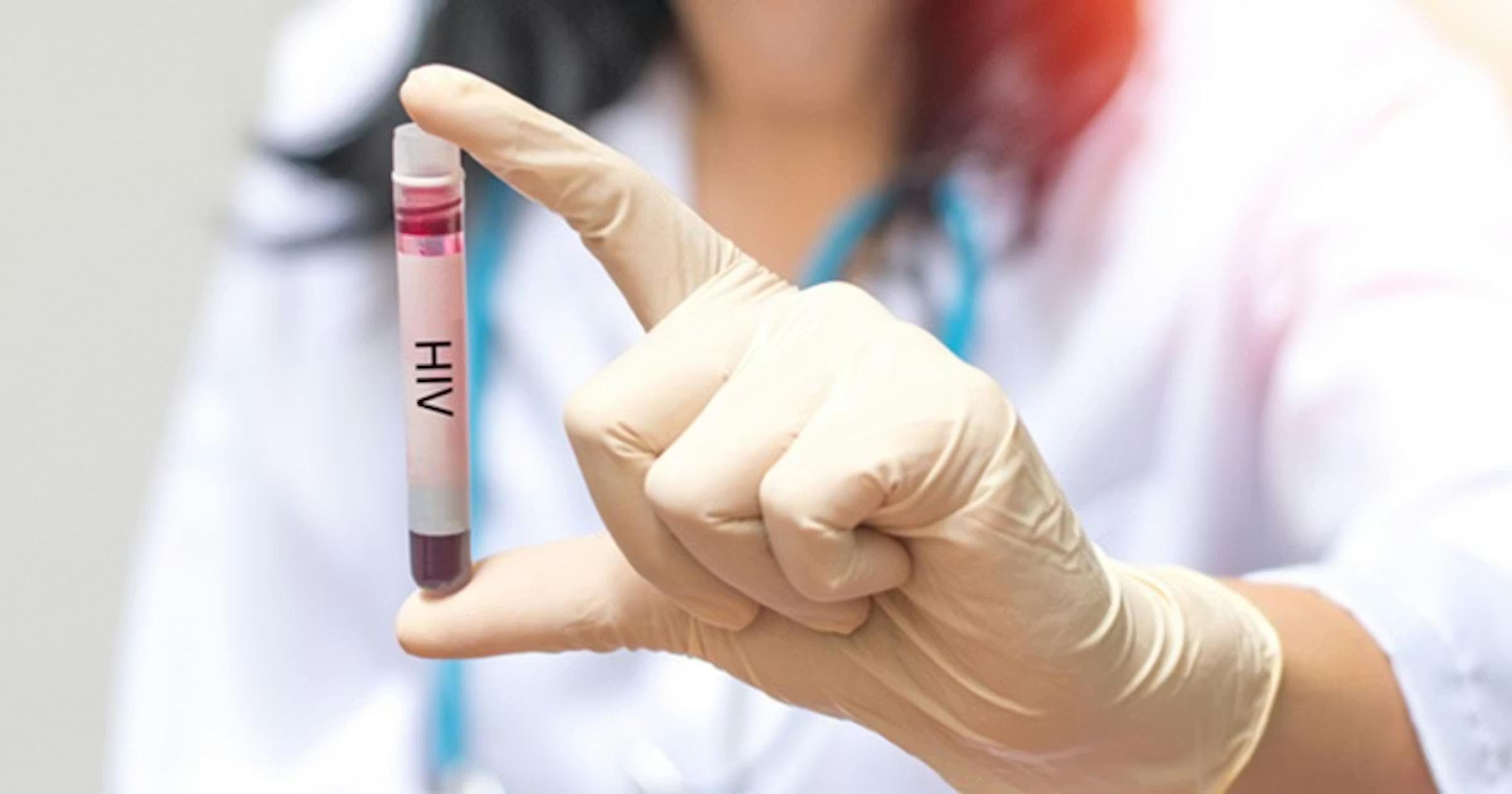
Modern HIV tests are designed to detect HIV reliably when they are used correctly and at the appropriate time after possible exposure. Testing technology has improved significantly, giving healthcare professionals several options depending on the person's situation, symptoms, exposure history, and timing. However, no test should be interpreted without considering the window period, because HIV may not be detectable immediately after infection.
When someone searches for an HIV Test in Dubai, one of the most important questions is often how trustworthy the result will be. The answer depends on the type of test used and how long it has been since possible exposure. A test performed too early may not detect an infection even when HIV is present, while testing at an appropriate time can provide much more reliable information.
What Determines HIV Test Accuracy?
Several factors can influence how accurately an HIV test detects an infection. The type of test is one of the most important factors. Different tests look for different markers of HIV, including antibodies, antigens, or genetic material from the virus.
Timing is another major consideration. After HIV enters the body, it takes time for detectable markers to develop. This period is commonly called the window period. During this time, a person may have HIV but receive a negative result because the test cannot yet detect enough of the relevant marker.
The quality of the testing process also matters. Proper sample collection, laboratory procedures, correct test handling, and appropriate interpretation all contribute to dependable results. For this reason, professional testing can be helpful when someone is concerned about a recent exposure or has questions about the correct time to test.
Enfiled STD Clinic for Professional Testing
Choosing a professional healthcare setting can make the testing process easier to understand and manage. At Enfiled STD Clinic, individuals seeking an HIV Test in Dubai can discuss their concerns with healthcare professionals and learn more about the testing process, possible testing windows, and what different results may mean.
Professional testing is especially useful when the timing of a possible exposure is uncertain. Instead of relying only on symptoms or assumptions, a healthcare provider can consider the individual's circumstances and explain whether testing now is appropriate or whether follow-up testing may be recommended.
A professional approach also helps people understand that a negative result obtained too soon after exposure may not provide the final answer. Depending on the test and circumstances, additional testing may be advised after the relevant window period.
Different Types of HIV Tests
Modern HIV testing includes several types of tests. Antibody tests look for antibodies produced by the immune system in response to HIV. These antibodies take time to develop, so the accuracy of an antibody-only test depends significantly on when it is performed.
Antigen and antibody combination tests can look for both HIV antibodies and an HIV antigen associated with the virus. Because the antigen can become detectable earlier than antibodies alone, combination testing may identify infection earlier than some antibody-only methods.
Nucleic acid tests, often referred to as NATs, look for HIV genetic material. These tests can detect infection earlier in some circumstances, although they are not necessarily the routine first choice for every person seeking screening.
The appropriate test depends on the situation. A healthcare professional can explain which testing method is suitable based on factors such as the time since exposure and the reason for testing.
Why the Window Period Matters
The window period is one of the most important concepts to understand when considering HIV testing. It refers to the period after infection when a test may not yet be able to detect HIV reliably.
A person may therefore test negative shortly after exposure and later test positive once sufficient markers have developed. This does not necessarily mean that the first test was faulty. Instead, the test may have been performed before the infection became detectable by that particular method.
Because different HIV tests have different detection periods, there is no single waiting period that applies identically to every test. Anyone concerned about a recent exposure should discuss the timing with a healthcare professional rather than assuming that an immediate negative result completely rules out infection.
Can Symptoms Tell You Whether an HIV Test Is Accurate?
Symptoms cannot determine whether an HIV test is accurate. Some people experience flu-like symptoms during the early stage of HIV infection, while others may have no noticeable symptoms at all. Similar symptoms can also occur with many other infections and health conditions.
This is why symptoms should not replace testing. Someone can feel completely healthy and still require testing after a potential exposure. Similarly, experiencing certain symptoms does not automatically mean that a person has HIV.
An HIV Test in Dubai provides objective information that cannot be obtained from symptoms alone. If symptoms are present, a healthcare professional may also consider other possible infections or conditions and recommend additional testing when appropriate.
How False Negative Results Can Happen
A false negative result means that a test reports negative even though HIV infection is present. One of the most important reasons this can happen is testing during the window period.
Testing too early can mean that the body has not yet produced enough detectable antibodies or other markers for the specific test being used. This is why follow-up testing may sometimes be recommended after an initial negative result.
Other factors can also affect testing, including problems with sample collection or laboratory procedures, although professional testing systems are designed to minimize these issues.
If someone has had a recent possible exposure, they should tell the healthcare provider when the exposure occurred. This information can help determine how the result should be interpreted and whether another test may be needed.
What About False Positive Results?
A false positive result occurs when a screening test indicates HIV even though the person does not have HIV. Modern screening tests are designed to be highly specific, but no screening method is perfect.
Importantly, a reactive screening result does not automatically mean that someone has HIV. Additional testing is generally used to confirm a reactive result before a diagnosis is established.
This confirmation process is an important part of responsible HIV testing. It prevents people from being given a diagnosis based only on an initial screening result and allows healthcare professionals to investigate the result appropriately.
When Should HIV Testing Be Repeated?
Repeat testing may be recommended when the first test was performed during or close to the window period. The appropriate timing depends on the type of HIV test used and the circumstances surrounding the possible exposure.
For example, someone tested very soon after an exposure may need another test later, even if the first result was negative. A healthcare professional can provide guidance based on the specific test and timing.
People should avoid repeatedly testing at random intervals without understanding what each result means. A planned testing approach is generally more useful because it takes the test's detection capabilities into account.
Why Professional Testing Can Provide Better Guidance
The value of professional HIV screening is not limited to taking a sample. Healthcare professionals can help explain which test is being performed, why it has been selected, when the result is expected, and how the result should be understood.
This can be particularly important for people who are anxious about a recent possible exposure. Clear information about the testing process can reduce confusion and prevent someone from incorrectly interpreting a result.
Professional services may also help identify whether additional sexual health screening is appropriate. Depending on the circumstances, a person may have been exposed to infections other than HIV, some of which can also occur without noticeable symptoms.
What a Reliable HIV Testing Process Looks Like
A reliable testing process begins with appropriate assessment and sample collection. The healthcare professional may ask about the reason for testing and the timing of any possible exposure. The relevant sample is then collected according to the testing method being used.
After the test is processed, the result should be interpreted according to the specific test and timing. If the result is reactive, additional confirmatory testing may be required. If the result is negative but testing occurred too early, follow-up testing may be recommended.
This structured approach helps ensure that HIV testing is based on evidence rather than assumptions.
Final Thoughts
Modern HIV tests are highly developed and can provide reliable results when the appropriate test is used at the appropriate time. However, accuracy cannot be separated from timing. Testing during the window period may produce a negative result even when infection is present, which is why follow-up testing can sometimes be necessary.
If you are considering an HIV Test in Dubai, professional guidance can help you understand which test may be appropriate, when to test, and how to interpret the result. Most importantly, do not rely on symptoms alone. Proper testing is the most reliable way to obtain information about HIV status.

 English
 Arabic
 French
 Spanish
 Portuguese
 Deutsch
 Turkish
 Dutch
Dutch
 Italiano
 Russian
 Romaian
 Portuguese (Brazil)
