


Dental Implants: Pain and Recovery Guide
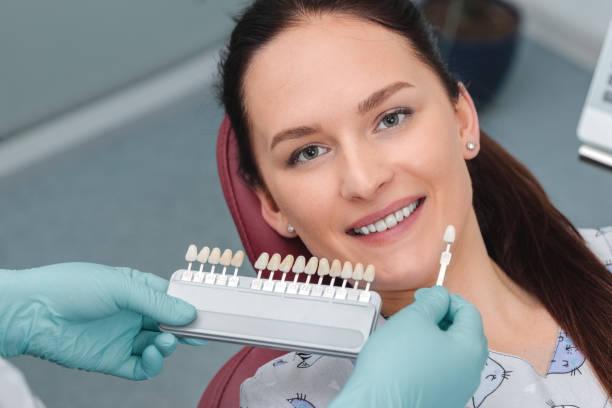
Dental implant procedures are carefully planned to replace missing teeth and restore normal oral function. Dental Implants in Dubai involve placing an implant into the jawbone before attaching a customized replacement tooth. Although patients may have concerns about pain and recovery, understanding the different stages can make the experience easier to manage.
During the procedure, local anesthesia is generally used to keep the area comfortable. After the appointment, some tenderness, swelling, or sensitivity around the implant site may occur as the mouth begins to heal.
What to Expect During Implant Placement
The implant placement process involves creating a carefully planned opening in the jawbone and positioning the implant post inside it. The gum tissue is then allowed to heal while the implant begins integrating with the surrounding bone.
Because anesthesia is used during the procedure, patients should not normally feel the actual placement in the way they might expect. Some pressure or movement may be noticeable, but significant discomfort during the procedure should be discussed immediately with the dental team.
The amount of post-procedure discomfort can vary depending on the number of implants, the location of the implant, bone condition, and individual healing response.
Dental Clinic: Planning a Comfortable Recovery
A professional Dental Clinic can explain what to expect before and after implant placement. During the consultation, the dentist evaluates the gums, jawbone, remaining teeth, and overall oral health to create an appropriate implant plan.
Clear aftercare instructions can also help patients manage the healing period. Following professional guidance is important for protecting the implant site and supporting normal recovery.
The First Few Days After Placement
The first few days are an important part of the healing process. Mild swelling, tenderness, or sensitivity around the surgical area can occur. These symptoms generally improve as healing progresses.
Patients should follow the specific instructions provided by their dentist regarding oral hygiene, food choices, activity levels, and any recommended medication. Avoiding unnecessary pressure on the implant area can also help protect the healing site.
Soft foods may be more comfortable during the early recovery period, especially if chewing near the implant causes sensitivity. Patients can gradually return to their usual diet as their mouth becomes more comfortable and their dentist provides appropriate guidance.
The Importance of Osseointegration
One of the most important stages of dental implant recovery is osseointegration. This is the process in which the implant gradually becomes integrated with the surrounding jawbone.
Osseointegration does not happen overnight. The healing period varies between individuals and can depend on bone quality, implant location, oral health, and other factors. During this stage, the implant is becoming a stable foundation for the eventual restoration.
Patients should attend scheduled follow-up appointments so the dentist can monitor healing and determine when the next stage can safely begin.
When Is the Dental Crown Added?
Once the implant has healed sufficiently and become stable within the jawbone, the dentist can proceed with the restoration stage. An abutment may be connected to the implant to provide support for the final crown.
The crown is custom-made to fit the patient's mouth and is designed to match the surrounding teeth. Before it is secured, the dentist checks its shape, fit, bite, and appearance.
This final stage restores the visible part of the missing tooth and allows the implant to function as part of the patient's overall bite.
Maintaining Good Oral Hygiene
Good oral hygiene is essential throughout recovery. Patients should carefully follow their dentist's instructions for brushing and cleaning around the implant site.
As healing progresses, regular brushing and cleaning between teeth can help reduce plaque accumulation. Maintaining healthy gums is especially important because the tissues surrounding an implant need ongoing care.
Routine dental examinations also allow the dentist to monitor the implant, surrounding gums, and neighboring teeth.
When Should You Contact Your Dentist?
Some discomfort and swelling can be expected after implant placement, but patients should not ignore unusual or worsening symptoms. Persistent severe pain, significant swelling, unusual bleeding, fever, or other concerning changes should be reported to the dental team.
A timely dental evaluation can help identify potential problems and determine whether additional care is needed.
Recovery Can Vary From Patient to Patient
There is no single recovery timeline that applies to everyone. A patient receiving one implant with healthy bone may have a different experience from someone requiring multiple implants or additional procedures.
Your dentist can provide a more personalized recovery plan after evaluating your oral health. Following the recommended instructions and attending follow-up appointments can help support a smoother healing process.
Final Thoughts
Dental Implants can provide a stable and long-lasting option for replacing missing teeth when properly planned and maintained. Understanding the expected discomfort, healing stages, oral hygiene requirements, and follow-up care can help patients approach recovery with greater confidence and make informed decisions about their dental health.

 English
 Arabic
 French
 Portuguese
 Deutsch
 Turkish
 Dutch
Dutch
 Italiano
 Russian
 Romaian
 Portuguese (Brazil)
 Greek
Greek
