


Equipment Leasing Options: How to Choose the Right Plan for Your Business
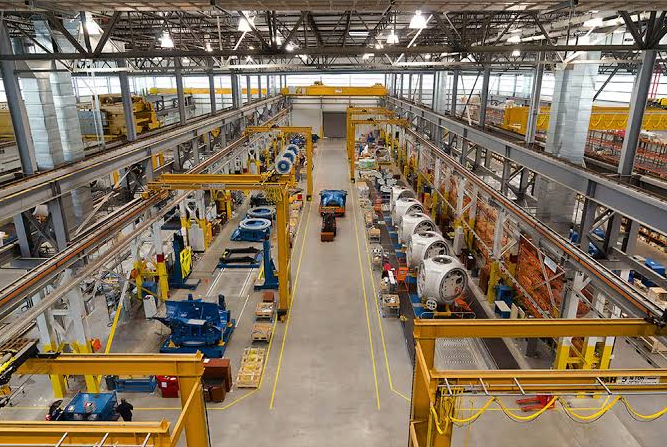
Choosing the right equipment can have a major impact on a business's productivity, cash flow, and ability to grow. Whether you need computers, construction machinery, manufacturing tools, commercial vehicles, or specialized equipment, purchasing everything outright is not always the most practical option.
Equipment leasing provides an alternative by allowing businesses to use equipment while making regular payments over an agreed period. However, not every lease works the same way. Different plans have different payment structures, ownership options, terms, fees, and responsibilities.
For that reason, choosing the right plan requires more than comparing monthly payments. You need to understand how each option works and how it fits your company's financial situation and long-term goals.
This guide explains the main equipment leasing options, what to consider before signing an agreement, and how to select a plan that makes sense for your business.
What Is Equipment Leasing?
Equipment leasing is an arrangement that allows a business to use equipment for a specified period in exchange for scheduled payments.
Instead of purchasing the equipment immediately, the business enters into an agreement with a leasing company or financing provider. The provider generally purchases or owns the equipment, while the business gets the right to use it according to the lease terms.
Depending on the agreement, the business may have an option to purchase the equipment at the end of the lease, return it, or continue using it under a renewed arrangement.
Commonly leased equipment includes:
-
Computers and technology
-
Manufacturing machinery
-
Construction equipment
-
Medical equipment
-
Commercial vehicles
-
Restaurant equipment
-
Office equipment
-
Agricultural machinery
-
Printing and packaging equipment
The best choice depends on what you need, how long you expect to use it, and how you want to manage your business finances.
Why Consider Equipment Leasing?
The main attraction of Equipment leasing is that it can give businesses access to necessary assets without requiring the full purchase price upfront.
For a small or growing company, preserving working capital can be extremely important. Money tied up in equipment cannot be used for inventory, payroll, marketing, expansion, or unexpected expenses.
Leasing may allow a company to spread equipment costs over time instead.
It can also be useful when technology changes quickly. Rather than owning equipment that becomes outdated, a business may use a lease structure that provides an opportunity to upgrade or replace assets at the end of the agreement.
However, leasing is not automatically cheaper than buying. The total cost and terms need to be evaluated carefully.
Main Equipment Leasing Options
Understanding the different types of leases is the first step toward selecting an appropriate plan.
1. Operating Lease
An operating lease is generally designed for businesses that want to use equipment without necessarily owning it at the end of the agreement.
This type of arrangement can be attractive when equipment has a relatively short useful life or becomes outdated quickly.
For example, a technology company may lease computers because it expects to replace them with newer models after several years.
Best for:
-
Technology equipment
-
Office equipment
-
Assets that become obsolete quickly
-
Businesses that prefer upgrading regularly
One advantage is flexibility. However, businesses should carefully review the terms concerning equipment returns, maintenance, upgrades, and end-of-lease conditions.
2. Capital or Finance Lease
A finance lease is structured more like long-term equipment financing.
The business generally uses the equipment for most of its useful life and may have an opportunity to acquire ownership at the end, depending on the agreement.
This can be suitable for companies that expect to use an asset for many years but prefer to spread payments over time.
Best for:
-
Heavy machinery
-
Manufacturing equipment
-
Long-term business assets
-
Equipment that is expected to remain useful for many years
Because the structure can be more ownership-oriented, it is important to understand the accounting, tax, and legal implications with your financial professional.
3. $1 Buyout Lease
A $1 buyout lease is structured so that the business can purchase the equipment for a nominal amount, often $1, at the end of the lease term.
This arrangement may be attractive to businesses that ultimately want to own the equipment.
The trade-off is that the regular payments may be structured differently from a lease designed primarily for temporary use.
Best for:
-
Businesses expecting to keep equipment
-
Long-term equipment needs
-
Expensive machinery with a long useful life
Before choosing this option, compare the total lease payments with the cost of purchasing the equipment through another financing method.
4. Fair Market Value Lease
A fair market value, or FMV, lease generally gives the business several options at the end of the agreement.
Depending on the contract, the business may return the equipment, renew the lease, or purchase the equipment for its fair market value.
This can be useful for businesses that do not necessarily want to own their equipment permanently.
Best for:
-
Technology
-
Vehicles
-
Equipment that changes rapidly
-
Businesses that prioritize flexibility
The end-of-term purchase price can vary based on the equipment's market value, so businesses should understand how that value will be determined.
How to Choose the Right Equipment Leasing Plan
Once you understand the available options, you can compare them based on your business needs.
Consider How Long You Need the Equipment
Start with a simple question: How long do I expect to use this equipment?
If you need an asset for only a few years, a flexible operating or FMV lease may be appropriate.
If you expect to use the equipment for a decade or longer, a finance-oriented arrangement or purchase may make more sense.
The lease term should ideally match the equipment's expected useful life and your business requirements.
Evaluate Your Cash Flow
Your current cash position should play a major role in your decision.
If preserving cash is important, Equipment leasing may allow you to acquire essential assets while spreading payments over time.
However, do not choose a lease simply because the monthly payment appears affordable.
Consider whether your business can comfortably make the payments during slower periods.
Example
Imagine a small construction company needs a piece of machinery costing $80,000.
Purchasing it outright could significantly reduce the company's cash reserves. A lease could spread the expense across several years, allowing the company to retain cash for payroll, fuel, materials, and other operating expenses.
The business should then compare the total lease cost against the cost of purchasing and financing the equipment.
Compare the Total Cost
One of the biggest mistakes businesses make is focusing only on monthly payments.
A plan with a lower monthly payment may have a longer term or additional charges that increase the total cost.
When comparing Equipment leasing options, calculate:
-
Monthly payment
-
Number of payments
-
Upfront costs
-
Documentation fees
-
Maintenance expenses
-
Insurance requirements
-
End-of-term purchase price
-
Early termination charges
-
Other potential fees
The total financial commitment gives you a much clearer picture than the monthly payment alone.
Think About Ownership
Your long-term plans should influence the type of lease you choose.
If you want to own the equipment eventually, look for an agreement that provides a clear purchase option.
If ownership is not important, an arrangement that allows you to return or upgrade the equipment may offer greater flexibility.
Ask yourself whether the equipment will still be useful to your company several years from now.
For example, a restaurant may want to own durable kitchen equipment for many years. A technology company, on the other hand, may prefer replacing computers regularly as newer technology becomes available.
Check Maintenance and Repair Responsibilities
Maintenance can have a major impact on the actual cost of leasing equipment.
Some agreements require the business to handle routine maintenance and repairs. Others may include certain maintenance services.
Before signing anything, determine:
-
Who pays for repairs?
-
Who handles routine servicing?
-
Are replacement parts covered?
-
What happens if equipment breaks down?
-
Is maintenance included in the monthly payment?
-
Are there service-level requirements?
A seemingly inexpensive lease can become more costly if the business is responsible for significant maintenance expenses.
Review End-of-Lease Terms
Do not wait until the end of the agreement to find out what happens next.
Review the end-of-lease provisions before signing.
Depending on the arrangement, you may be able to:
-
Purchase the equipment
-
Return the equipment
-
Renew the lease
-
Upgrade to newer equipment
-
Continue under different terms
If the equipment must be returned, check whether there are requirements concerning its condition.
Understanding these details early can prevent unpleasant surprises later.
Consider Your Business's Growth Plans
Your expected growth should also influence your leasing decision.
A startup experiencing rapid expansion may need to upgrade or add equipment within a few years. A long-term lease with limited flexibility may not be ideal in that situation.
On the other hand, an established company with predictable equipment needs may benefit from a longer agreement.
Think about where your company expects to be when the lease ends—not just where it is today.
Understand Your Credit and Approval Requirements
Leasing providers generally evaluate factors such as business history, creditworthiness, financial performance, and the equipment being financed.
New businesses may face different approval requirements than established companies.
Before applying, prepare relevant financial information and understand the provider's eligibility requirements.
If you receive multiple offers, compare them carefully rather than automatically accepting the first approval.
Watch for Hidden Costs
Always read the complete agreement.
Look for costs that may not be obvious in the advertised payment, including:
-
Application fees
-
Origination charges
-
Documentation fees
-
Insurance requirements
-
Delivery charges
-
Installation costs
-
Maintenance fees
-
Late-payment charges
-
Early termination penalties
-
End-of-lease fees
Ask the leasing provider to explain anything you do not understand.
A reputable provider should be willing to clearly explain the financial and contractual obligations.
Equipment Leasing vs. Buying
Both leasing and purchasing can be useful depending on the situation.
Leasing May Be Better When:
-
You want to preserve working capital
-
You need equipment quickly
-
Technology changes frequently
-
You prefer predictable payments
-
You expect to replace equipment regularly
-
Ownership is not essential
Buying May Be Better When:
-
You expect to use equipment for many years
-
You want complete ownership
-
The equipment has a long useful life
-
You have sufficient capital available
-
You want to retain the asset after payments are complete
There is no universal answer. The right decision depends on the equipment, your finances, and your long-term business strategy.
Questions to Ask Before Signing a Lease
Before agreeing to an Equipment leasing plan, ask the provider:
-
What is the total amount I will pay?
-
What fees are charged upfront?
-
How long is the lease?
-
Who owns the equipment during the lease?
-
Can I purchase the equipment at the end?
-
What happens if I want to terminate early?
-
Who is responsible for maintenance?
-
What happens if the equipment becomes obsolete?
-
What condition must the equipment be in when returned?
-
Are there restrictions on modifying or relocating the equipment?
Getting clear answers can help you avoid unexpected costs and contractual problems.
Final Thoughts
Choosing the right Equipment leasing plan requires more than finding the lowest monthly payment. The best option should fit your cash flow, equipment requirements, growth plans, expected usage, and long-term ownership goals.
Operating leases may provide flexibility for businesses that regularly upgrade equipment, while finance-oriented leases can be more suitable when long-term use or eventual ownership is important. Other structures, such as fair market value and $1 buyout arrangements, offer different combinations of flexibility and ownership.
Before making a decision, compare the total cost, lease term, maintenance responsibilities, fees, purchase options, and end-of-lease conditions. Consider getting professional financial or accounting advice when the agreement is substantial or has significant tax and accounting implications.
With careful comparison and planning, Equipment leasing can give your business access to the assets it needs while helping you manage cash flow and plan for future growth.

 English
 Arabic
 French
 Spanish
 Portuguese
 Deutsch
 Turkish
 Dutch
Dutch
 Italiano
 Russian
 Romaian
 Greek
Greek
