


Practical Support Features for Modern Seating
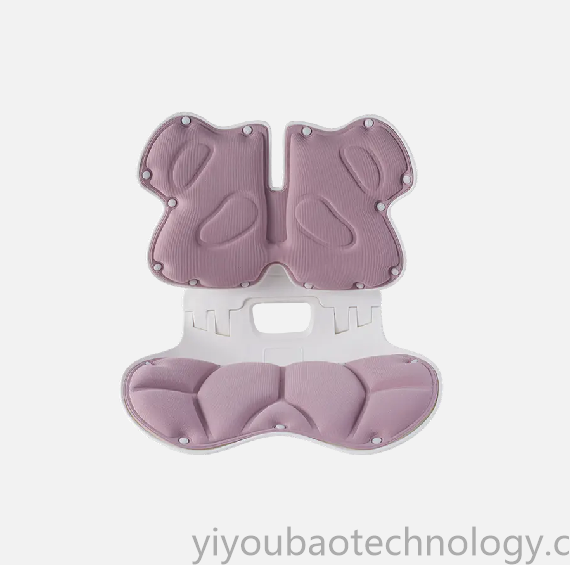
An Adjustable Lumbar Support Cushion provides a flexible approach to seating comfort by allowing users to modify the position or relationship between the support surface and the chair. People have different body shapes, sitting habits, and preferences, so one fixed support position may not work equally well for everyone. Adjustable construction can make a cushion more adaptable to different users and seating environments.
The main purpose of adjustability is to help users find a more comfortable relationship between the lower back and the chair. Some users prefer a higher support position, while others may feel more comfortable with the cushion placed lower. Sitting angles may also change during the day. A person working at a desk may sit upright, while someone reading or resting may lean backward. A flexible support product can respond to these changes more effectively than a completely fixed design.
Material selection has a direct influence on this experience. Foam is frequently used because it can provide cushioning while responding to body pressure. Its resilience, recovery, and internal structure affect how the cushion behaves during repeated use. Materials that are too soft may lose their supportive shape, while overly firm materials may create pressure and reduce comfort. Manufacturers therefore need to balance flexibility with structural stability.
The outer cover should also be selected according to the intended application. Breathable fabrics can support airflow, while durable textiles may be better suited to products that experience frequent movement or friction. A smooth and comfortable surface can improve the user's interaction with the cushion. For products used in offices, vehicles, or shared environments, removable or easy-care covers may provide additional practical value.
Adjustable construction can be achieved through several approaches. Straps, elastic bands, fastening systems, movable support sections, and flexible attachment structures may all allow users to modify the product's position. The selected system should be intuitive and easy to operate. If adjustment requires complicated steps, users may avoid changing the cushion even when a different position would be more comfortable.
Attachment stability is particularly important. The cushion should remain in a useful position during ordinary sitting and movement. If it shifts too easily, the user may need to reposition it repeatedly. If the attachment is too rigid, installation may become inconvenient. Manufacturers should therefore seek a balance between secure positioning and simple adjustment.
Ergonomic shaping also needs to work with the adjustable structure. A cushion should provide a natural contact area for the lower back without forcing the user into one rigid posture. Curved surfaces, supportive foam, and flexible positioning can help users find a comfortable arrangement. The design should also allow normal movement, since sitting comfort depends on changing positions and taking regular breaks rather than remaining completely still.
Manufacturing technology supports the reliability of these features. Production may include foam cutting, shaping, sewing, bonding, fastening, and assembly. Each stage should be controlled so that the final product maintains its intended structure. Attachment points must be securely constructed, while adjustable components should operate smoothly. Consistent production methods help reduce differences between samples and larger production batches.
Quality control should cover both appearance and function. Manufacturers may inspect material consistency, cover fit, seam quality, fastening strength, and adjustment performance. Functional checks can help identify loose straps, uneven construction, difficult adjustment, or unstable positioning. These inspections are important for B2B buyers because a product that looks acceptable in a sample may still create problems if production consistency is not maintained.
Safety should remain part of the development process. Adjustable products contain additional attachment points and moving interfaces, so these areas require careful evaluation. Components should be securely assembled, and the product should not create avoidable pressure or discomfort during normal use. A well-designed support cushion should encourage comfortable seating awareness through practical support rather than restrictive positioning.
Customization can make adjustable products more suitable for different markets. Buyers may request changes to cover materials, support shapes, fastening methods, colors, packaging, or branding. A flexible manufacturer can often adapt selected elements while maintaining the core construction. However, each change should be assessed carefully because a different fabric or attachment system may influence the product's feel and stability.
Durability and sustainability are also relevant. Strong seams, dependable fastening components, and resilient materials can help extend product life. A durable product may reduce the need for frequent replacement, while washable covers may support continued use in busy environments. Efficient material cutting and responsible packaging can further reduce waste during production and distribution.
When evaluating an Adjustable Lumbar Support Cushion, buyers should look at more than the adjustment feature alone. Material quality, ergonomic shaping, attachment stability, manufacturing consistency, safety, customization, and long-term usability all contribute to product value. Yongkang Yiyoubao Technology Co. Ltd. offers seating support solutions for different user requirements, and more information is available at https://www.yiyoubaotechnology.com/product/lumbar-supports-seat-cushions/ .

 English
 Arabic
 French
 Spanish
 Portuguese
 Deutsch
 Turkish
 Dutch
Dutch
 Italiano
 Russian
 Romaian
 Greek
Greek
