


Dental Braces: A Step-by-Step Guide
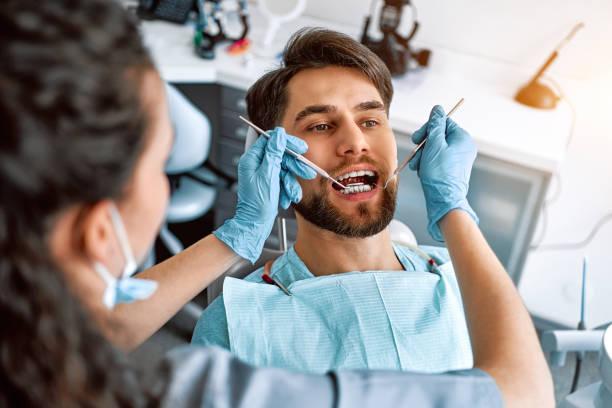
For patients considering Dental Braces in Dubai, knowing what happens at each stage can make the orthodontic journey easier to understand. Braces gradually move teeth by applying controlled pressure over time. They can help improve crooked teeth, crowding, gaps, and certain bite concerns while creating a more balanced smile.
Every orthodontic case is different, so the exact process and duration depend on the patient's tooth alignment, bite, oral health, and treatment goals. A professional assessment is the first step toward creating an appropriate plan.
Step 1: Initial Dental Assessment
The process usually begins with a detailed examination of your teeth, gums, and bite. The dental professional looks for crowding, spacing, crooked teeth, and other alignment concerns.
Digital scans, photographs, or X-rays may be taken to provide a clearer view of the teeth and supporting structures. These records help the dental team understand the position of the teeth and determine how much movement may be required.
Your dentist may also ask about your concerns and expectations. This discussion helps ensure that the orthodontic plan addresses both functional and cosmetic goals.
Step 2: Creating a Personalized Plan
After the assessment, the dental professional develops an orthodontic plan based on your individual needs. The plan may include the recommended type of braces, expected tooth movement, appointment schedule, and estimated treatment duration.
The complexity of your case plays an important role in determining the plan. Mild crowding may require less extensive correction, while significant bite problems or severe misalignment may involve a more comprehensive approach.
Your dentist can also explain the advantages and care requirements of different braces options.
Step 3: Dental Clinic: Preparing for Braces
A Dental Clinic can help prepare your teeth and gums before braces are fitted. Any existing cavities, gum inflammation, or other oral health concerns may need to be addressed first.
Good oral health is especially important because brackets and wires can make certain areas harder to clean. Starting orthodontic care with healthy teeth and gums can make daily maintenance easier.
The dental team can also explain how to brush around brackets, clean between teeth, and protect the appliance during everyday activities.
Step 4: Fitting the Braces
Once your teeth are ready, the braces are fitted according to the treatment plan. Traditional fixed braces usually involve brackets attached to the teeth and an archwire connecting them.
The brackets and wire work together to apply controlled forces. These forces gradually encourage the teeth to move toward their planned positions.
The fitting process may feel unusual at first. Some patients experience mild pressure or sensitivity as they begin adjusting to the appliance.
Step 5: Getting Used to Your Braces
During the first few days, the brackets and wires may feel unfamiliar against your lips, cheeks, and tongue. This sensation usually becomes easier to manage as you become accustomed to the appliance.
Your dental professional may provide instructions about foods to avoid and ways to maintain good oral hygiene. Hard, sticky, or chewy foods can damage orthodontic components, so following dietary recommendations is important.
If a bracket becomes loose or a wire causes persistent irritation, contact your dental team for appropriate guidance.
Step 6: Regular Adjustment Visits
Orthodontic treatment involves regular appointments to monitor tooth movement. During these visits, the dental professional may adjust the archwire or other components according to your progress.
These appointments allow the orthodontic team to make sure the teeth are moving in the desired direction. They also provide an opportunity to check the condition of your braces and surrounding oral tissues.
Keeping scheduled appointments is important because orthodontic movement is a gradual process that requires consistent monitoring.
Step 7: Maintaining Excellent Oral Hygiene
Braces create additional spaces where food particles and plaque can collect. For this reason, careful oral hygiene is essential throughout orthodontic care.
Brush around each bracket and along the gumline using fluoride toothpaste. Cleaning between teeth is also important, and an interdental brush may make it easier to reach areas around brackets and wires.
Regular dental checkups should continue during orthodontic care. Keeping the teeth and gums healthy supports the overall orthodontic process.
Step 8: Monitoring Tooth Movement
As treatment progresses, your teeth gradually move toward their planned positions. The rate of movement differs from person to person, so the total treatment duration cannot be predicted solely from another patient's experience.
Factors such as age, tooth position, bite concerns, treatment complexity, oral hygiene, and appointment attendance can influence progress.
Your dental professional will monitor the movement and make adjustments when necessary to keep the orthodontic plan progressing appropriately.
Step 9: Completing the Active Braces Stage
Once the teeth reach their planned positions, the active braces stage is completed. The braces are carefully removed, and your dental professional checks the final alignment.
The teeth may look noticeably straighter, and the bite may be more balanced depending on the original orthodontic concern.
However, removing braces does not mean the orthodontic journey is completely finished. Maintaining the new tooth positions is essential.
Step 10: Wearing Retainers
Retainers are commonly used after braces to help prevent unwanted tooth movement. Teeth can naturally shift over time, particularly after active orthodontic care ends.
Your dental professional will explain how and when to wear your retainer. Following these instructions can help maintain the alignment achieved during the braces process.
Regular dental visits can also help monitor the condition of your teeth and retainer over time.
Final Thoughts
The dental braces journey involves assessment, personalized planning, fitting, regular adjustments, careful oral hygiene, and long-term retention. Understanding each stage can help patients stay prepared and follow professional instructions with confidence. With consistent care and proper maintenance, Dental Braces can support improved alignment and a healthier-looking smile.

 English
 Arabic
 French
 Spanish
 Deutsch
 Turkish
 Dutch
Dutch
 Italiano
 Russian
 Romaian
 Portuguese (Brazil)
 Greek
Greek
