


Festival Security in Australia: What Organisers Should Know
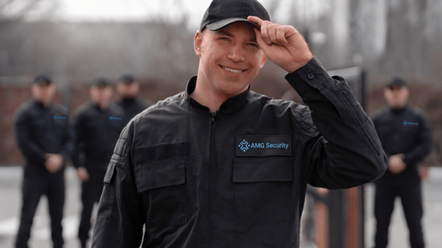
Festivals sit at the more demanding end of event security. Large crowds, extended hours, alcohol service, outdoor conditions, and a mix of ticketed and general admission areas all combine to create a genuinely complex environment to manage safely.
For anyone organising a festival in Australia, whether a boutique music event or a large regional food and wine celebration, understanding what proper security planning actually involves helps set realistic expectations from the outset.
Why Festivals Require a Different Approach
Unlike a seated conference or a private function, festivals involve constant movement across an extended period, often spanning many hours or even multiple days. Crowds ebb and flow depending on the entertainment schedule, weather conditions, and time of day, which means security planning needs to account for a level of unpredictability that more structured events simply do not face, and this shapes almost every decision made during the planning stage.
This is one of the key reasons festival security cannot be treated as a scaled-up version of a smaller event. Delivering a genuinely effective event security service for a festival means building the staffing structure, communication systems, and contingency planning specifically around the extended, fluid nature of that environment.
Understanding Site Layout and Zoning
Most festivals divide their site into different zones, such as main stage areas, food and vendor precincts, camping areas for multi-day events, and quieter chill-out spaces. Each zone typically requires a different security approach. High-density areas near a main stage need staff positioned to manage crowd surges and monitor for signs of distress, while vendor areas may focus more on preventing theft and managing queues.
A well-planned festival security operation maps out these zones clearly in advance, assigning staff based on the specific demands of each area rather than distributing guards evenly across the entire site regardless of actual crowd density, which is a common mistake among less experienced providers.
Managing Alcohol Service Across a Large Site
Alcohol is a significant factor at most Australian festivals, and managing its service responsibly across a large, spread-out site presents particular challenges. Multiple bar locations, often operating simultaneously, require security coordination to ensure Responsible Service of Alcohol obligations are being met consistently across the entire site rather than varying from one bar to the next.
Security staff working festival bar areas are typically trained to identify signs of intoxication early and to communicate clearly with bar staff when service needs to be paused for a particular guest. This coordination becomes more complex at larger festivals, where a guest refused service at one bar might attempt to purchase alcohol elsewhere on the site, making consistent communication between security teams essential.
Ticketing, Wristbands and Entry Verification
Entry management at festivals has become considerably more sophisticated over the years, with most events now using scannable tickets, wristbands or digital verification systems rather than relying purely on manual checks. Security staff working entry points need to be familiar with these systems, able to troubleshoot issues quickly when a guest has a genuine ticketing problem, and alert to the possibility of counterfeit tickets or wristbands at larger, higher-profile events.
This part of the operation sets the tone for the entire festival experience. A slow, disorganised entry process creates frustration and long queues before guests have even entered the site, while a well-managed entry point, staffed by security who understand the ticketing system thoroughly, gets people through efficiently and starts the event on a positive note.
Bag Checks and Prohibited Item Policies
Most Australian festivals maintain clear policies around prohibited items, ranging from glass containers and outside alcohol through to more serious restrictions around weapons or illegal substances. Security staff conducting bag checks at entry points need to apply these policies consistently and respectfully, understanding that most guests are simply trying to enter the event rather than deliberately breach the rules.
Clear signage explaining these policies in advance, combined with security staff who can explain restrictions calmly rather than simply confiscating items without context, tends to reduce friction at entry points considerably. This is a detail that experienced festival security teams handle well, having encountered the full range of guest reactions to these policies many times before.
Camping Areas and Overnight Security
Multi-day festivals with onsite camping introduce an entirely different set of considerations. Overnight security becomes essential, not only for managing noise and behaviour within camping areas but also for protecting attendees' belongings and providing a visible presence that supports overall guest wellbeing during the quieter overnight hours. This typically involves a reduced but dedicated overnight team, often working alongside welfare or first aid services that remain operational around the clock, along with regular patrols through camping zones to check that everything remains settled.
Organisers planning a multi-day event need to discuss overnight staffing specifically with their security provider, since this is a distinct requirement that differs considerably from daytime crowd management.
Weather Planning for Outdoor Sites
Australian festivals are particularly exposed to weather variability, and this needs to be built into security planning from the outset rather than treated as an afterthought. Extreme heat during summer festivals raises genuine concerns around dehydration and heat stress, particularly in dense crowd areas near a main stage. Security teams trained to recognise these signs, working alongside onsite medical staff, add an important layer of protection during hot weather events.
Sudden storms present a different challenge, particularly for festivals held in exposed regional locations. A clear, well-communicated plan for pausing performances, directing attendees to shelter and, if necessary, evacuating the site safely is essential for any outdoor festival operating in Australian conditions.
Coordinating With Local Authorities
Larger festivals often require coordination with local police, council representatives and emergency services as part of the approval and planning process. This is a more involved undertaking than security for a private function, and organisers seeking an events security service in Australia for a large-scale festival should expect their provider to have experience navigating this kind of multi-agency coordination.
A provider familiar with this process can help organisers understand what local authorities typically expect in terms of staffing ratios, communication protocols and emergency response planning, which can otherwise be a confusing area for first-time festival organisers to navigate alone without guidance from someone who has been through the process before.
Technology Supporting Festival Security
Many larger Australian festivals now use a combination of CCTV monitoring, radio networks and, in some cases, crowd density tracking technology to support security operations across a large site. These tools help security teams identify developing issues, such as overcrowding near a stage or a bottleneck at an exit, before they become genuinely hazardous. While technology plays a supporting role, it remains the experienced judgement of trained staff that determines how this information gets acted upon.
Preparing for the Unexpected
No matter how thoroughly a festival is planned, unexpected situations will still arise, whether that involves a medical incident, a crowd surge, or a significant change in weather partway through the event, often with very little warning beforehand. Experienced festival security teams train specifically for these scenarios, ensuring that responses remain calm and coordinated rather than reactive and chaotic when circumstances change quickly.
Having a clear chain of command in place beforehand means decisions can be made fast, without staff needing to stop and work out who should be taking the lead in the middle of an active situation.
Final Thoughts
Festival security in Australia demands a genuinely different level of planning compared to smaller, more contained events, from zoning and alcohol management through to overnight camping security and multi-agency coordination.
AMG Security brings this depth of experience to festival environments, helping organisers manage the complexity of a large outdoor event while keeping attendees safe from the opening act through to the final set, and long after the last guest has packed up and headed home.

 English
 Arabic
 French
 Spanish
 Portuguese
 Deutsch
 Turkish
 Dutch
Dutch
 Italiano
 Russian
 Romaian
 Greek
Greek
