


Aluminum Fencing for Different Properties: Finding the Right Design for Every Space
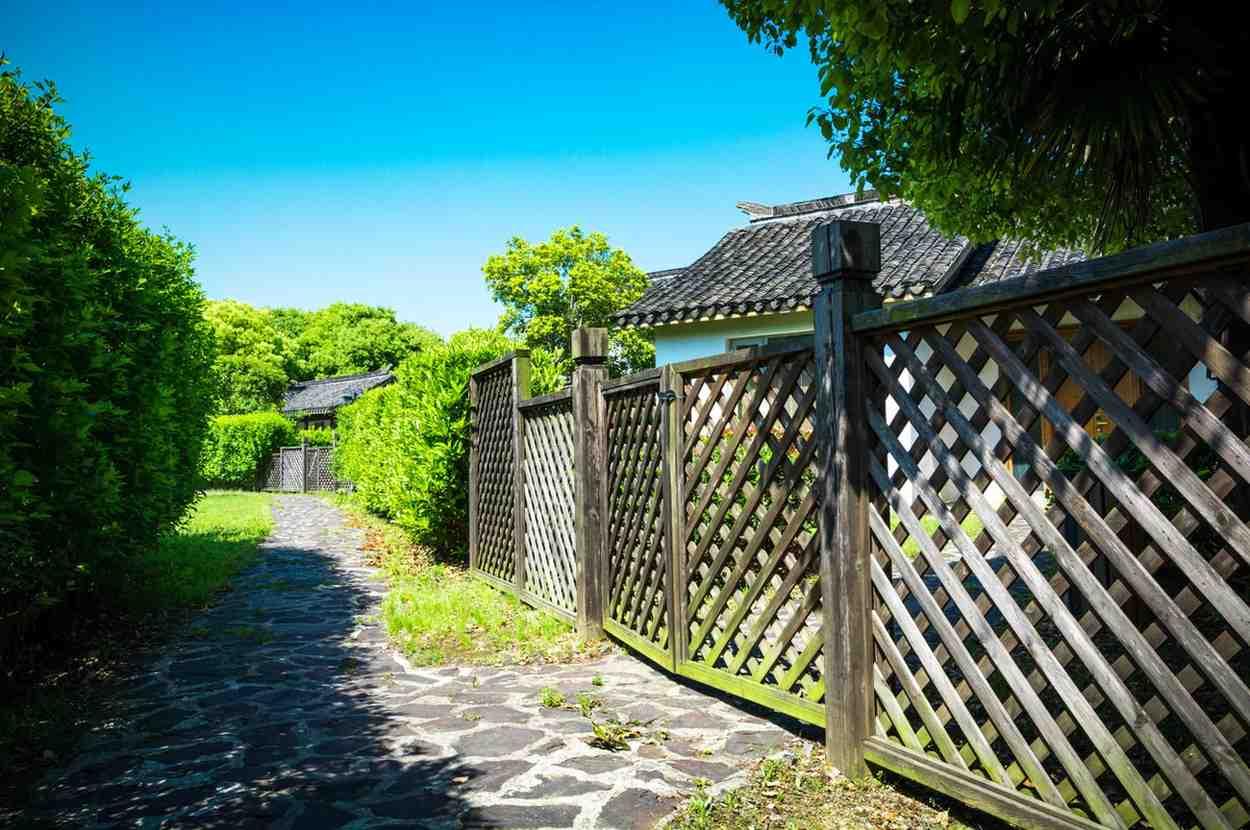
A fence can serve a very different purpose depending on where it is installed. The boundary around a front yard may be primarily decorative, while a backyard enclosure might need to organize outdoor space, and a pool barrier may have specific safety considerations. Because properties vary in layout, architecture, landscaping, and daily use, selecting the right fence requires looking beyond the material itself.
Aluminum fencing can adapt to many outdoor settings because it is available in different heights, layouts, finishes, picket arrangements, and gate configurations. Its open appearance can define an area without completely blocking views, making it an option worth considering for property owners who want a balance between structure and visibility.
Start by Understanding the Space
Every fencing project begins with the property itself. Before choosing a design, examine the dimensions, terrain, existing structures, landscaping, access points, and intended use of the area.
A small front yard may benefit from a visually light boundary, while a larger property may require a more substantial perimeter. A garden might need a simple decorative enclosure, whereas a frequently used entrance may require carefully planned gates.
The purpose of aluminum fencing should therefore be established before choosing a particular pattern or finish. A beautiful design will not provide much value if it does not work with the way the space is actually used.
Front Yards Benefit From Thoughtful Visual Design
The front yard is often the first part of a property visitors see. A fence installed here can influence the overall impression of the home.
Open aluminum designs can establish a clear boundary while allowing landscaping and the front exterior of the property to remain visible. This can be useful when homeowners want to define the yard without creating a closed-off appearance.
For front-facing installations, consider the relationship between fence height, entry gate, walkway, driveway, landscaping, and the architecture of the home.
A simple design may complement a traditional exterior, while clean lines can work well with contemporary architecture.
Backyards Require Function and Flexibility
Backyards often serve multiple purposes. They may contain patios, gardens, play areas, outdoor furniture, pets, storage spaces, or recreational features.
A backyard fence should therefore be planned around how the space is used today and how it may be used later.
Aluminum fencing can provide a defined perimeter while preserving views across the yard. This may help the space feel open rather than completely enclosed.
Consider where gates should be located. A convenient pedestrian entrance can make it easier to move between the yard, driveway, garden, or other outdoor areas.
Garden Areas Can Use Decorative Boundaries
Garden fencing does not always need to provide heavy separation. Sometimes its primary purpose is to visually frame planting areas or establish a distinction between lawn and garden beds.
An ornamental aluminum design can create structure without hiding flowers, shrubs, or other landscaping.
The fence height should be proportionate to the plants and surrounding space. A very tall installation can overpower a small garden, while an extremely low boundary may not create the visual definition you want.
Garden gates can also provide a decorative focal point when carefully integrated into the layout.
Pool Areas Need Special Planning
Pool fencing deserves particular attention because barriers around swimming pools can be subject to specific safety regulations depending on location.
An open aluminum fencing design can preserve visibility into and around the pool area, which may be useful for supervision. However, appearance should never replace compliance with applicable pool-barrier requirements.
Before choosing a pool fence, verify local rules concerning height, openings, gate operation, access, and other safety-related features.
The surrounding terrain should also be considered. Pool decks, landscaping, steps, retaining walls, and changes in elevation can affect the fence layout.
Sloped Properties Require a Different Approach
Not every property has a level yard. Slopes and elevation changes can create additional design considerations.
When installing aluminum fencing on a slope, the fence needs to follow the property's contours while maintaining a consistent and attractive appearance. Depending on the terrain and selected configuration, different layout approaches may be appropriate.
Before installation, identify changes in elevation and determine where the fence will need to transition.
A detailed site assessment can help avoid awkward gaps, inconsistent heights, or difficult gate placement.
Properties With Extensive Landscaping Need Coordination
Trees, shrubs, flower beds, irrigation systems, and pathways can all influence fence placement.
Existing landscaping should be mapped before installation so the fence does not unnecessarily damage established plants or interfere with irrigation.
Think about future growth as well. A small shrub may eventually become large enough to press against the fence or block a gate.
Open fencing can work particularly well with landscaping because it allows plants and architectural features to remain visible.
Driveways Require Gate Planning
A fence surrounding a property often needs at least one vehicle-access point. Driveway gates require more planning than simple pedestrian gates because their width, movement, supporting posts, and hardware must accommodate regular vehicle access.
The driveway's width and approach should be measured carefully. Consider whether vehicles need to turn, park, or maneuver immediately inside the gate.
With aluminum fencing, the driveway gate can be designed to complement the surrounding sections. Matching proportions and finishes can create a cohesive appearance.
The gate should also be positioned where it provides convenient access without interfering with sidewalks, landscaping, drainage, or other property features.
Walkways Need Convenient Entry Points
Pedestrian access is easy to overlook during fence planning. A fence can define a property effectively, but poorly positioned gates can make everyday movement inconvenient.
Think about the routes people already use. A gate near a frequently used walkway may be more practical than an entrance placed solely for visual symmetry.
Gate width, swing direction, latch location, and surrounding clearance should also be considered.
For larger properties, multiple pedestrian access points may be useful depending on the layout and intended use.
Rental and Investment Properties Have Different Considerations
Properties intended for rental or investment purposes may require a practical balance between appearance, durability, maintenance, and cost.
A straightforward fence design can create a defined boundary without introducing unnecessary maintenance complexity.
When selecting aluminum fencing for such properties, consider how easily the installation can be maintained and whether individual sections or hardware can be addressed if damage occurs.
A timeless appearance may also be useful when the property needs to appeal to different occupants over time.
Small Properties Can Benefit From Open Designs
A small yard can feel even smaller when surrounded by a visually heavy barrier.
An open aluminum fence can help maintain sightlines and allow the surrounding landscape to remain visible. This can create a sense of continuity between the property and its surroundings.
Fence height and spacing are particularly important in compact spaces. A carefully proportioned installation can establish the necessary boundary without dominating the yard.
Color and landscaping can also influence how large or enclosed the space feels.
Large Properties Require Consistent Planning
Larger properties can introduce different challenges. Long fence runs require careful measurement and alignment, while changes in terrain may occur across the property.
A consistent design can create visual continuity across a large boundary.
However, not every section necessarily needs to serve the same function. Certain areas may require gates, different heights, or specialized layouts.
Creating a complete property map before installation can help determine where these variations are necessary.
Commercial-Style Outdoor Spaces Need Practical Layouts
Some outdoor properties have functional areas that require clear separation without completely blocking visibility.
An open fence can help establish boundaries around appropriate spaces while maintaining visual access.
The correct design depends on the type of property, the intended use, local requirements, and access needs. High-traffic areas may require more careful consideration of gates and hardware.
For any property where fencing serves an operational purpose, functionality should take precedence over purely decorative features.
Historic-Style Properties Can Use Ornamental Designs
Properties with traditional architectural features may benefit from a fence that reflects those characteristics.
Decorative aluminum fencing can reproduce an ornamental appearance through shaped pickets, coordinated gates, and formal patterns.
The objective should be visual consistency rather than excessive decoration. Fence details should complement existing architectural elements such as columns, railings, entryways, and landscaping.
Taking photographs from the street and interior of the property can help when evaluating different design options.
Modern Properties May Suit Clean Lines
Contemporary architecture often emphasizes simple forms, consistent proportions, and minimal ornamentation.
A streamlined aluminum fence can complement these characteristics without competing with the building's design.
Simple vertical elements, restrained decorative details, and coordinated finishes can create a clean boundary.
However, the right design ultimately depends on the property's specific architecture and surrounding landscape.
Consider Properties With Pets
Pet owners may have additional requirements when selecting a fence. The spacing between pickets, height, gate configuration, and surrounding terrain can all matter.
A fence should be selected based on the animal and its behavior rather than assuming one configuration works for every pet.
Pay attention to potential gaps beneath the fence and areas where landscaping could create an escape route.
Gates should also close securely and be positioned so that routine entry and exit does not create unnecessary opportunities for pets to move beyond the intended boundary.
Think About Future Property Changes
A fence can remain in place longer than many landscaping projects. Consider whether you may add a patio, garden, outdoor kitchen, walkway, shed, pool, or other feature later.
Planning for future changes can prevent situations where a new structure conflicts with an existing fence or gate.
For example, installing a gate where a future pathway is likely to be placed could create unnecessary inconvenience.
A flexible design can make it easier to adapt the outdoor space over time.
Color and Finish Should Complement the Setting
The fence finish can have a significant effect on the property's appearance.
A darker finish may create a strong contrast with light-colored walls and green landscaping. A more understated finish can allow the fence to blend into the background.
Consider the colors already present on the property rather than selecting a finish in isolation.
For aluminum fencing, the finish should also be appropriate for outdoor exposure and consistent with the intended maintenance expectations.
Consider Local Rules Before Installation
Fence regulations can vary depending on location and property type. Rules may address height, placement, setbacks, property lines, visibility, gates, or special applications such as pool barriers.
Confirming applicable requirements before installation can prevent costly modifications later.
Property boundaries should also be verified carefully. A fence should not be positioned based solely on assumptions about where the boundary lies.
Design the Fence Around Everyday Use
A fence should make the property easier to manage rather than creating new obstacles.
Walk through the property and imagine everyday activities. Where do people enter? Where do vehicles arrive? Which areas require access? Where do children, pets, or visitors typically move?
This practical exercise can reveal requirements that are easy to miss when focusing only on the appearance of the fence.
The best layout is one that fits naturally into the way the property operates.
A Simple Planning Process
A useful process begins with identifying the purpose of each fenced area. Next, measure the property and mark gates, corners, slopes, landscaping, and existing structures.
Then select a style that complements the property and determine the appropriate height and spacing.
Finally, review installation conditions, maintenance expectations, budget, and applicable requirements before purchasing materials.
This approach can make selecting aluminum fencing much more straightforward because every design decision is connected to a specific property need.
Conclusion
Different properties require different fencing solutions. A front yard may call for an attractive boundary, a backyard may require flexibility, a garden may benefit from decorative framing, and a pool area may demand careful attention to safety requirements.
Aluminum fencing can adapt to many of these settings because of its range of designs, finishes, heights, and gate configurations. Its open appearance can also preserve visibility while establishing a clear boundary.
The key is to select the design according to the property's actual conditions. Consider terrain, landscaping, access, architecture, intended use, maintenance, and future plans before making a final decision. Thoughtful planning can help create a fence that looks appropriate, functions effectively, and remains useful as the property evolves.
FAQs
Can aluminum fencing be used around a garden?
Yes. Decorative aluminum designs can create a defined garden boundary while keeping plants visible. The fence height and spacing should be selected according to the size and purpose of the garden.
Is aluminum fencing suitable for a sloped yard?
It can be used on many sloped properties, but the installation needs to account for changes in elevation. A site assessment can help determine the appropriate layout and transition between different sections.
What type of aluminum fence is suitable for a small yard?
An open design with appropriately proportioned height and spacing can help define a small yard without making it feel overly enclosed. The best configuration depends on the property's layout and purpose.
Are there special considerations for aluminum fencing around a pool?
Yes. Pool barriers can be subject to specific safety requirements, including rules concerning height, openings, gates, and access. Applicable local requirements should be confirmed before installation.

 English
 Arabic
 French
 Spanish
 Portuguese
 Deutsch
 Turkish
 Dutch
Dutch
 Russian
 Romaian
 Portuguese (Brazil)
 Greek
Greek
