


HIV Blood Test: Questions You May Have
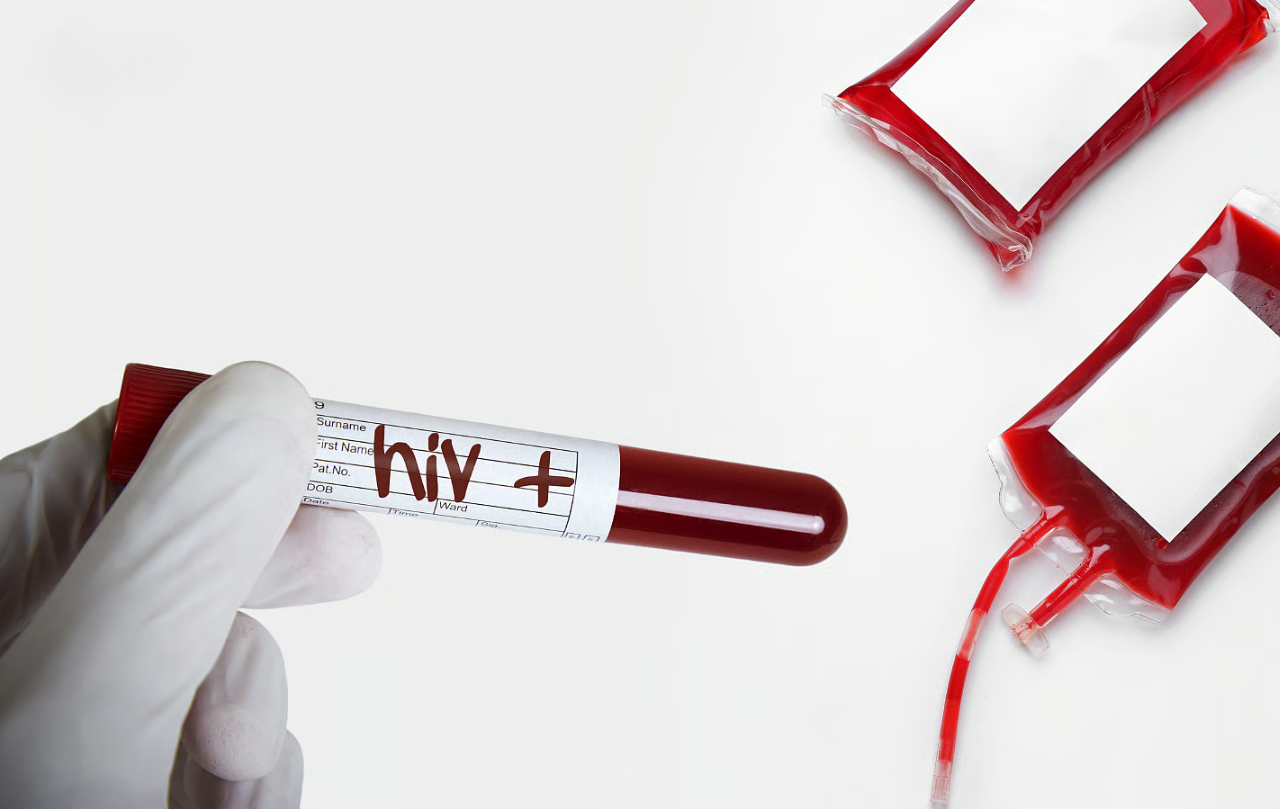
Understanding your health status can help you make informed decisions about medical care and sexual health. An HIV Blood Test is one of the commonly used methods for checking whether HIV infection may be present. Whether you are considering testing because of a possible exposure or simply want to include HIV screening in your regular healthcare routine, learning how testing works can make the process easier to understand.
For people looking for convenient healthcare options, Blood Test In Dubai services can provide access to different types of laboratory testing. Depending on the provider, individuals may be able to arrange testing through a clinic or another professional healthcare setting while receiving information about preparation, sample collection, and results.
What Is an HIV Blood Test?
An HIV Blood Test is a laboratory or point-of-care test that checks a blood sample for evidence of HIV infection. Depending on the test used, it may detect HIV antibodies, an HIV antigen, or both.
Antibodies are produced by the immune system in response to infection, while an antigen is a substance associated with the virus that can become detectable earlier than antibodies. Different tests have different detection periods, which is why the timing of testing is important.
Healthcare professionals can explain which test is being used and what its expected detection window is.
Why Is HIV Testing Important?
HIV may not always cause noticeable symptoms during the early stages. Some people can have an infection without realizing it, which means relying only on symptoms is not a dependable way to determine HIV status.
Testing provides information that symptoms alone cannot provide. A person who knows their status can discuss appropriate healthcare decisions with a medical professional.
Regular testing can also be considered as part of broader sexual health screening, depending on individual circumstances.
When Should You Take an HIV Blood Test?
The right time to take an HIV test depends on when a possible exposure occurred and which testing method is being used. Testing immediately after an exposure may not detect a recent infection because the virus or the body's response to it may not yet be detectable.
This period is commonly referred to as the window period. Different HIV tests have different window periods, so there is no single timeframe that applies equally to every test.
If you recently had a possible exposure, it is best to discuss the timing with a healthcare professional. They can explain whether testing now is appropriate and whether another test may be recommended later.
Do You Need to Fast Before HIV Testing?
An HIV blood test by itself generally does not require fasting. You can normally eat and drink as usual unless your healthcare provider has given you different instructions.
However, if your appointment includes additional blood investigations, some of those tests may have separate preparation requirements. In that situation, follow the instructions provided by the healthcare professional or laboratory.
How Is an HIV Blood Sample Collected?
The process is generally straightforward. A trained healthcare professional collects a blood sample using appropriate equipment. Depending on the type of test, the sample may be collected from a vein or through another approved blood-sampling method.
The sample is then tested according to the procedure used by the healthcare provider or laboratory.
Following proper sample collection and handling procedures is important for maintaining the quality and reliability of laboratory testing.
How Long Does It Take to Get HIV Test Results?
The time required for results depends on the type of test and where it is performed. Some tests can provide results relatively quickly, while laboratory-based testing may require additional processing time.
When arranging an HIV Blood Test, you can ask the testing provider when you should expect the result. This can help you understand the process and plan any necessary follow-up.
What Does a Negative HIV Test Mean?
A negative result generally means that the test did not detect evidence of HIV at the time the sample was tested. However, the timing of the test matters.
If the test was taken during the window period following a recent exposure, HIV may not yet be detectable. In such circumstances, a healthcare professional may recommend another test after an appropriate interval.
A negative result should therefore be interpreted according to the type of test used and the timing of possible exposure.
What Does a Reactive HIV Test Mean?
A reactive screening result does not automatically mean that HIV infection has been confirmed. Screening tests are designed to identify results that require further investigation.
When a screening test is reactive, additional confirmatory testing is normally needed. A healthcare professional can explain what the next test involves and how the results will be interpreted.
This confirmation process is important because a screening result alone should not be treated as a final diagnosis.
Can an HIV Blood Test Detect HIV Immediately?
No HIV test can necessarily detect an infection immediately after exposure. The body and the virus need time to reach detectable levels, depending on the testing method.
For this reason, taking a test too soon can result in a negative finding even if infection later becomes detectable. Anyone concerned about a recent exposure should discuss testing timing with a qualified healthcare professional.
Is HIV Testing Confidential?
Healthcare providers generally have procedures designed to protect patients' medical information and privacy. Before testing, you can ask the provider about their confidentiality procedures and how results are communicated.
Feeling comfortable discussing your concerns with a healthcare professional can also help ensure that you receive appropriate information about testing and follow-up.
What Happens After an HIV Test?
The next step depends on the result, the type of test, and the timing of testing. A negative result may provide reassurance when the test was taken at an appropriate time. If there was a recent potential exposure, additional testing may sometimes be recommended.
If a screening result is reactive, confirmatory testing is required. If HIV infection is confirmed, healthcare professionals can discuss available treatment and ongoing medical care.
Modern HIV care can help people manage the infection and protect their long-term health. Getting accurate information and following professional medical advice are important parts of the process.
Making HIV Testing Part of Health Awareness
An HIV Blood Test can provide valuable information as part of appropriate sexual health screening. Understanding the testing process, window periods, preparation requirements, and meaning of results can help reduce confusion and encourage responsible healthcare.
If you are considering HIV testing because of a possible exposure or as part of routine screening, speaking with a healthcare professional is a practical way to understand which test is suitable for your circumstances. Accurate testing combined with appropriate medical guidance can help you take informed steps toward maintaining your health.

 English
 French
 Spanish
 Portuguese
 Deutsch
 Turkish
 Dutch
Dutch
 Italiano
 Russian
 Romaian
 Portuguese (Brazil)
 Greek
Greek
