


SMART Dental Amalgam Removal: A Patient Guide
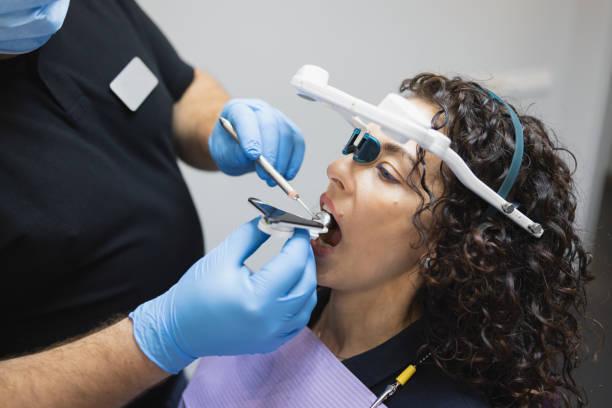
Patients with older dental fillings may eventually wonder whether those restorations should be replaced and what the removal process involves. SMART Dental Amalgam Removal in Dubai refers to an approach that uses careful planning and protective measures when removing amalgam fillings. SMART commonly stands for Safe Mercury Amalgam Removal Technique, although the exact procedures used can vary between dental practices.
Understanding the process can help patients ask appropriate questions and know what to expect. Amalgam removal is not automatically required for every patient, so the first step should always be a professional examination of the filling and the tooth beneath it.
Understanding Your Existing Filling
Dental amalgam has traditionally been used to restore cavities, particularly in back teeth. It is a metallic material containing several metals, including silver, copper, tin, and mercury.
An amalgam restoration can remain functional for many years. However, it may eventually develop wear, cracks, damaged margins, or decay around the filling. When such problems occur, the dentist may recommend replacing the restoration.
Some patients may also prefer to replace an amalgam filling for aesthetic reasons. In these situations, the dentist can explain whether removal is appropriate and discuss suitable replacement materials.
When Removal May Be Considered
The presence of amalgam alone does not necessarily mean that removal is needed. A stable, functional filling may not require replacement if there is no clinical problem.
Removal may be considered when the restoration is fractured, significantly worn, associated with recurrent decay, or no longer providing adequate support. The condition of the surrounding tooth is also an important factor.
During the examination, the dentist considers the filling's condition, the amount of healthy tooth structure, bite forces, symptoms, and other relevant factors before recommending a course of action.
Planning the Removal Procedure
Once removal is considered appropriate, the dentist can explain the planned procedure. The discussion may include the reason for removal, protective measures, anesthesia, expected appointments, and the type of restoration that will replace the amalgam.
Patients should also have an opportunity to mention any concerns about dental materials, sensitivity, previous dental experiences, or the appearance of their teeth.
A well-planned procedure allows the dental team to prepare the necessary equipment and restoration strategy before the existing filling is removed.
Dental Clinic: Evaluating Your Dental Restoration
A Dental Clinic can perform a detailed examination to determine whether an amalgam restoration needs to be replaced. The dentist may use visual examination, dental X-rays, or other diagnostic techniques to evaluate the filling and surrounding tooth.
The dentist can also explain whether a composite filling, ceramic restoration, or another option may be appropriate. The choice depends on the size and location of the restoration, tooth strength, chewing pressure, and the overall condition of the tooth.
This individualized assessment helps avoid unnecessary removal and supports a restoration plan suited to the patient's needs.
Protective Measures During Removal
A SMART-style procedure may include several measures intended to control the treatment environment. These can include rubber dam isolation, high-volume suction, water cooling, protective coverings, and suitable protective equipment.
A rubber dam can help isolate the treated tooth from the rest of the mouth. High-volume suction can assist in removing water, debris, and particles close to the treatment area.
Water cooling may be used while the dentist works on the amalgam. The specific combination of protective measures depends on the dental provider and the circumstances of the procedure.
Patients should ask their dentist about the exact protocol before treatment so they understand how the procedure will be managed.
How the Amalgam Is Removed
After the treatment area has been prepared, the dentist accesses the existing restoration. The amalgam may be divided into sections before being carefully removed.
The aim is to control the removal process and avoid unnecessary grinding of the filling and surrounding tooth structure. Suction and cooling may be used throughout the procedure.
Once the amalgam has been removed, the dentist examines the tooth for decay, cracks, or weakened areas. Any necessary preparation is completed before the new restoration is placed.
Choosing a Replacement Restoration
After amalgam removal, the tooth usually needs an appropriate replacement. Composite resin is one tooth-colored option that may be suitable for certain cavities.
For larger restorations or teeth with substantial structural damage, the dentist may discuss alternatives such as an inlay, onlay, or crown. The most appropriate choice depends on the individual tooth.
Material selection can involve considerations such as strength, appearance, location, remaining tooth structure, and chewing forces.
What Recovery May Be Like
Some patients may experience temporary sensitivity after a filling is removed and replaced. The level and duration of sensitivity can depend on the depth of the original restoration and the condition of the tooth.
Following the dentist's instructions can help support a comfortable recovery. Patients should contact their dental provider if they experience persistent pain, significant sensitivity, swelling, or discomfort while biting.
These symptoms may require additional assessment to determine whether the tooth or restoration needs further attention.
Maintaining Your Restored Tooth
Good oral hygiene is essential after amalgam replacement. Brushing twice a day with fluoride toothpaste can help remove plaque and support healthy teeth and gums.
Cleaning between teeth is also important because plaque can accumulate around restoration margins. Patients should avoid habits that place excessive stress on restored teeth, such as chewing ice or biting hard non-food objects.
Regular dental examinations can help monitor the restoration and identify new dental problems at an early stage.
Making an Informed Decision
Patients considering amalgam removal should understand why their dentist is recommending replacement and what alternatives are available. A professional evaluation provides an opportunity to discuss the condition of the existing restoration and the health of the underlying tooth.
It is also helpful to ask about protective measures, the planned removal technique, replacement material, possible sensitivity, and aftercare. Having this information can make the process easier to understand.
Final Thoughts
SMART Dental Amalgam Removal involves careful assessment, controlled removal, protective preparation, and appropriate restoration of the affected tooth. Patients should have their existing filling evaluated before deciding on removal and discuss all suitable options with their dentist. Consistent oral hygiene and regular dental visits can help maintain the health and function of the restored tooth.

 English
 Arabic
 French
 Spanish
 Portuguese
 Deutsch
 Turkish
 Italiano
 Russian
 Romaian
 Portuguese (Brazil)
 Greek
Greek
