


Dental Tooth Filling: What to Expect
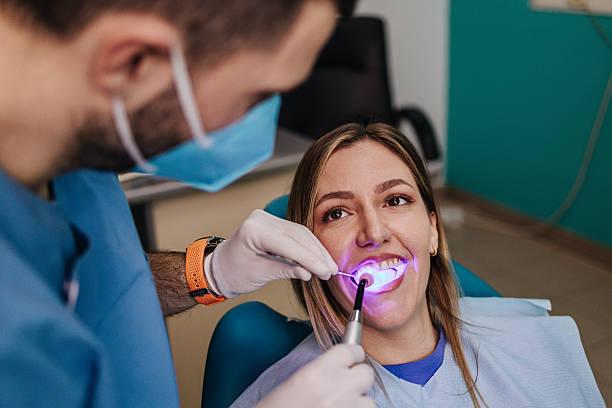
If you have been told that you need a filling, understanding the process can make your dental visit feel much more straightforward. Patients searching for Dental Tooth Filling in Dubai often want to know what happens before, during, and after the procedure. A dental filling is commonly used to restore a tooth that has developed a cavity while preserving as much healthy natural structure as possible.
Before recommending a filling, the dentist examines the affected tooth and determines the extent of decay. Depending on the location and severity of the cavity, dental X-rays may also be necessary. Once the tooth has been assessed, the dentist can explain the recommended restoration and answer questions about the material, procedure, and expected recovery.
Your Initial Dental Examination
The appointment usually begins with a detailed examination. The dentist may inspect the tooth for visible decay, discoloration, cracks, or changes in its surface. Your symptoms and dental history may also be discussed.
If the cavity is located between teeth or in an area that cannot be fully examined visually, an X-ray can provide additional information. This helps the dentist understand how deeply the decay has progressed.
The examination is important because not every tooth problem requires a filling. If decay has reached the inner part of the tooth or the tooth has significant structural damage, another type of dental procedure may be more appropriate.
Understanding the Preparation Process
Once a filling has been recommended, the dentist prepares the tooth for restoration. Local anesthesia may be used to numb the area and help keep the procedure comfortable.
The dentist carefully removes the decayed portion of the tooth. The amount removed depends on the size and depth of the cavity. The aim is to eliminate the affected structure while preserving as much healthy tooth tissue as possible.
After the decay has been removed, the area is cleaned thoroughly. The dentist then prepares the cavity so the selected filling material can be placed securely.
Dental Clinic: Placing the Filling
A professional Dental Clinic can provide different restorative options depending on the patient's needs. Composite resin is commonly selected for its tooth-colored appearance and can be matched closely with natural enamel.
When composite is used, the dentist may apply the material in several layers. Each layer is hardened with a special dental light before the next one is added. This allows the dentist to build the restoration gradually and shape it accurately.
Other materials, including amalgam or glass ionomer, may be suitable in particular situations. The dentist considers the location of the tooth, cavity size, chewing forces, remaining tooth structure, and aesthetic preferences before selecting the material.
Shaping and Checking the Restoration
After the filling material has been placed, the dentist shapes it to reproduce the natural contour of the tooth. This step helps the restored tooth function normally during chewing.
The dentist also checks the bite. You may be asked to close your teeth together several times so the dentist can determine whether the restoration is interfering with the natural movement of your bite.
If the filling feels slightly too high, the dentist can make an adjustment. Proper bite alignment is important because excessive pressure on a restoration can lead to discomfort.
Will the Procedure Be Painful?
Many patients worry about pain during a filling. Local anesthesia can numb the treatment area and make the procedure comfortable for most patients.
You may notice pressure, vibration, or sounds from the dental instruments, but these sensations are different from sharp pain. If you experience discomfort during the appointment, tell your dentist so appropriate adjustments can be made.
After the procedure, the tooth may feel different for a short period. Mild sensitivity to hot or cold can sometimes occur as the tooth settles.
What Happens After the Filling?
If anesthesia was used, numbness may continue for a while after the appointment. Patients should be careful not to bite their cheek, lips, or tongue until normal sensation returns.
Your dentist may provide specific instructions depending on the filling material and the condition of the tooth. Once you are able to eat normally, maintaining good oral hygiene is important.
Brush twice daily with fluoride toothpaste and clean between your teeth regularly. These habits help reduce plaque and lower the risk of developing additional cavities.
How Long Does a Filling Last?
The lifespan of a filling depends on several factors, including the material used, the size and location of the restoration, chewing forces, oral hygiene, and individual habits.
Regular dental examinations allow your dentist to monitor the filling and identify signs of wear, cracking, leakage, or recurrent decay. A damaged restoration may require repair or replacement.
Avoiding habits such as biting hard objects or using your teeth to open packages can also help protect the filling.
When Should You Contact Your Dentist?
Some temporary sensitivity can occur after dental work, but persistent or severe symptoms should be evaluated. Contact your dentist if you experience increasing pain, significant swelling, persistent sensitivity, or discomfort when biting.
A filling that feels unusually high can also affect the bite and may need adjustment. Prompt communication with your dentist can help identify and address potential problems.
Maintaining Your Dental Health
A filling restores an existing cavity, but it does not prevent new cavities from forming. Regular brushing, interdental cleaning, a balanced diet, and routine dental checkups remain important.
Limiting frequent sugary foods and drinks can help reduce the conditions that contribute to tooth decay. Regular professional examinations also allow early detection of changes in your teeth and existing restorations.
Final Thoughts
Knowing what to expect from a Dental Tooth Filling can help you feel prepared for the procedure. From the initial examination and removal of decay to filling placement and bite adjustment, each stage is designed to restore the affected tooth while preserving healthy structure. Good oral hygiene and regular dental visits can help protect the restored tooth and support a healthy smile over time.

 English
 Arabic
 French
 Spanish
 Portuguese
 Deutsch
 Turkish
 Italiano
 Russian
 Romaian
 Portuguese (Brazil)
 Greek
Greek
