


How Digital Rosters Help Australian Hospitality Businesses
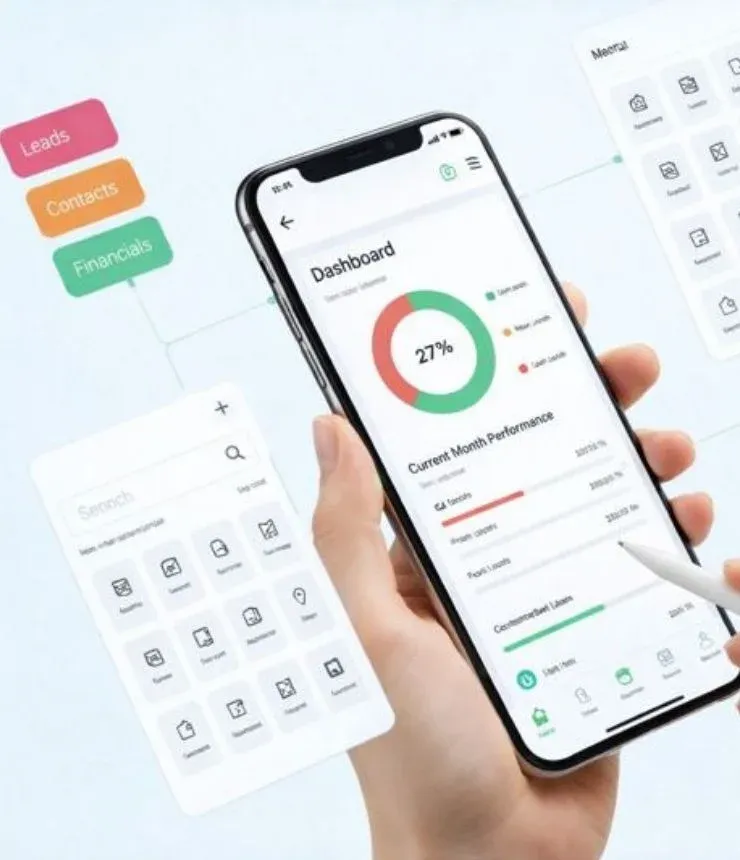
Hospitality is one of the toughest industries to schedule for. Demand can shift from one day to the next depending on the weather, a local event, or simply whether it is a long weekend. Staff availability changes constantly, with many workers juggling study, other jobs, or family commitments around their shifts. It is little wonder that so many venue owners describe rostering as one of the most stressful parts of running the business.
Anyone who has managed a café, restaurant, or pub in Australia knows that the margin for error is thin. Overstaff a quiet Tuesday and wages eat into profit. Understaff a busy Saturday night and service suffers, staff burn out, and customers notice. Getting the balance right consistently is genuinely difficult without the right tools in place.
The unique scheduling challenges hospitality venues face
Unlike many other industries, hospitality demand is rarely predictable in a simple, repeating pattern. A venue near a stadium might see wildly different numbers depending on whether there is a match on. A café in a tourist area might be flooded with customers during school holidays and relatively quiet the rest of the term. Building a roster that responds to this kind of variability requires more flexibility than a fixed weekly template can usually provide.
Staff turnover also tends to run higher in hospitality than in many other sectors, particularly among younger casual employees who might be balancing study alongside work. This means managers are frequently onboarding new staff, updating availability records, and adjusting rosters to account for people who are still building up their shift experience.
Then there is the compliance side, which carries its own particular complexity in hospitality. Split shifts, late finishes, early starts, and weekend penalty rates all need to be calculated correctly under the relevant award. Getting this wrong is not just a payroll headache but a genuine financial and legal risk, particularly given the scrutiny hospitality businesses have faced around underpayment issues in recent years.
How digital rostering tools address these pressures
Modern scheduling platforms are particularly well suited to hospitality because they are built to handle exactly this kind of variability. Rather than starting from scratch each week, venues can build a base template reflecting typical demand and then adjust individual shifts as needed based on bookings, weather forecasts, or upcoming events, without rebuilding the entire roster from the ground up.
Real-time visibility into staff availability makes a significant difference here too. When a Friday night suddenly looks busier than expected, a manager can quickly see which staff are available and send out shift offers directly through the platform, rather than working through a phone list hoping someone picks up. Staff can accept or decline shifts from their phone, which tends to fill last-minute gaps far faster than the traditional method of ringing around.
This is where employee scheduling software Australia hospitality venues genuinely earns its value, because the industry's unpredictability is precisely the kind of problem these platforms were designed to solve. The ability to adjust quickly without losing compliance accuracy is what separates a well-run venue from one constantly scrambling to patch together coverage.
Managing casual and part-time staff more effectively
Given how heavily hospitality relies on casual labour, having a system that keeps availability accurate and current is genuinely important. Staff who are studying, for example, often have availability that changes each semester as their timetable shifts. A platform where employees can update their own availability directly, rather than relying on a manager to remember or manually update a spreadsheet, keeps the roster grounded in accurate, current information.
This also reduces the awkward conversations that can arise when a staff member is scheduled for a shift they genuinely cannot work because their availability was never properly updated. Giving staff direct control over their own availability, within reasonable limits set by the business, tends to reduce these kinds of avoidable conflicts significantly.
The role of employee rostering software in reducing burnout
Hospitality has historically had a reputation for demanding, unpredictable hours, which contributes to burnout and high turnover. Thoughtful employee rostering software can help address this by giving managers better visibility into how hours are distributed across the team, making it easier to spot when a particular staff member is consistently picking up extra shifts or working close to their maximum allowable hours under the award.
Fair distribution of shifts, particularly desirable ones like weekend evening service, which often come with higher penalty rates, also tends to improve staff morale. Digital systems that make shift history visible help managers ensure that scheduling feels equitable across the team, rather than the same few staff always being offered the best or worst shifts.
Handling multi-venue operations
Hospitality groups operating multiple venues face an additional layer of complexity, needing to manage staffing across different locations while sometimes sharing staff between sites during peak periods. A centralised scheduling platform that provides visibility across all venues from a single dashboard makes this considerably easier than managers at each site working in isolation, unaware of staffing gaps or surpluses elsewhere in the group.
This kind of cross-venue visibility also supports better decision-making around labour costs more broadly, allowing operators to compare staffing efficiency across sites and identify where processes might need adjustment.
Adapting to seasonal and event-driven demand
Beyond the day-to-day unpredictability of hospitality, many venues also deal with distinct seasonal patterns that require a different kind of planning altogether. A beachside café in Queensland might see a significant surge in demand during school holidays, while a CBD restaurant might notice a steady drop-off over the January period when many offices are quieter. Planning staffing levels around these broader patterns requires looking beyond the immediate week and thinking several months ahead.
Digital rostering platforms that retain historical data make this kind of forward planning considerably easier. Rather than relying purely on memory or gut feel about how busy a particular period was last year, managers can look back at actual staffing and demand patterns from previous seasons and use that information to plan more accurately. This reduces the risk of being caught understaffed during a predictable peak, such as the lead-up to Christmas, or overstaffed during a quieter stretch when wages would be better allocated elsewhere.
Local events add another layer worth planning around. A significant concert, festival, or sporting fixture nearby can dramatically shift demand for venues in the surrounding area, sometimes with relatively short notice. Being able to quickly open up additional shifts and notify available staff through a digital platform, rather than scrambling through phone calls at the last minute, makes it far easier to capitalise on these opportunities rather than missing out on trade because the venue simply could not staff up in time.
Supporting better communication during service
Hospitality is a fast-paced environment, and clear communication around rostering has flow-on effects for how smoothly service actually runs. When staff are confident about their shifts, arrive on time because they received a clear notification rather than a vague verbal agreement from days earlier, and understand exactly what is expected of them, service tends to run more smoothly as a result.
This kind of reliability also matters for how a venue is perceived by its own staff. A workplace where rostering is handled professionally, with clear notice, accurate shifts, and fair distribution of hours, tends to build stronger loyalty among staff, which matters considerably in an industry where turnover has traditionally been high and finding reliable, experienced team members is not always straightforward.
Final thoughts
Hospitality will always be a demanding industry to schedule for, given how much its staffing needs can shift from one day to the next. What digital rostering tools offer is not a way to eliminate that unpredictability, but a much more efficient and accurate way to respond to it, filling gaps quickly, keeping compliance accurate, and giving staff a fairer, more transparent scheduling experience. For venues still relying on spreadsheets and group chats to manage their teams, platforms like The Scouts offer a practical way to bring that kind of structure and reliability to an industry that genuinely needs it.

 English
 Arabic
 French
 Spanish
 Portuguese
 Turkish
 Dutch
Dutch
 Italiano
 Russian
 Romaian
 Portuguese (Brazil)
 Greek
Greek
