


Industrial Building Ventilation and Air Circulation
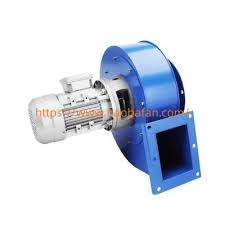
Industrial buildings can experience heat accumulation, stagnant air, humidity, and uneven air circulation during daily operations. A Factory Roof Ventilation Fan can support the movement of warm air away from the upper areas of a building while helping fresh air enter through suitable openings. Its effectiveness depends not only on the fan itself but also on roof structure, building layout, air inlets, installation quality, and the overall ventilation strategy.
Warm air naturally tends to rise, making the roof area an important location for ventilation. When heat accumulates beneath the roof, the indoor environment may become uncomfortable and equipment or stored materials may be exposed to unfavorable conditions. Roof-mounted ventilation equipment can help release accumulated air and support a more balanced circulation pattern throughout the facility.
The operating principle depends on the selected fan design. Some roof ventilation systems use axial airflow, while others use centrifugal movement or natural pressure differences. Mechanical roof fans generally use a motor-driven impeller to move air through a housing or roof opening. The impeller, blade geometry, housing shape, and motor arrangement all influence the way air is drawn from the building and discharged outside.
Blade construction is a key part of the manufacturing process. Blades must be shaped consistently so that the rotating assembly can move air smoothly. Material selection may depend on exposure to outdoor moisture, dust, temperature changes, and industrial pollutants. Suitable materials can help maintain structural stability while reducing the risk of corrosion or premature surface deterioration.
The roof housing also requires careful design. It should provide sufficient support for the fan assembly and create a controlled transition between indoor air and the outdoor environment. Weather protection is important because roof-mounted equipment is exposed to rain, sunlight, wind, and seasonal temperature changes. Protective structures, drainage considerations, and appropriate sealing can help reduce the possibility of water entering the building.
Motor integration should be considered together with heat management and operating conditions. Roof fans may run for extended periods during warm seasons or in facilities with continuous production activity. The motor and electrical components therefore need to be installed in a way that supports stable operation and suitable protection from the surrounding environment.
Vibration control is another important consideration. An unbalanced impeller or insufficiently supported fan can transmit vibration into the roof structure. This may create noise, mechanical stress, or installation problems. Proper balancing, secure mounting, and suitable structural support can help maintain stable operation. Installation should also account for the roof's load-bearing and weatherproofing requirements.
The position and number of roof fans influence the overall ventilation result. A facility with high heat-producing equipment may require a different arrangement from a warehouse storing general goods. Air inlets should be considered alongside exhaust locations so that air can move through the building rather than simply circulate near the roof. Obstructions, internal partitions, and production zones can also influence airflow distribution.
Maintenance is necessary because roof equipment is exposed to outdoor conditions. Dust, leaves, moisture, and other debris may collect around the housing or airflow path. Periodic inspection can identify blocked openings, loose fasteners, corrosion, damaged guards, and abnormal vibration. Electrical connections and mounting structures should be checked according to the equipment's maintenance requirements and relevant safety procedures.
Noise management may also be relevant, particularly when a factory is near offices, residential areas, or other occupied buildings. Fan noise can come from the motor, impeller, airflow turbulence, vibration, and roof structure. A suitable design, accurate balancing, secure installation, and proper operating conditions can help reduce unnecessary disturbance.
When purchasing a Factory Roof Ventilation Fan, buyers should evaluate the complete application rather than relying only on general airflow descriptions. Important considerations include building size, roof construction, indoor heat sources, air inlet arrangements, environmental exposure, maintenance access, and local installation requirements. A suitable solution should work with the building's ventilation strategy and remain practical to inspect and service.
Taizhou Haoba Electromechanical Co Ltd. provides ventilation equipment for industrial air movement applications, and customers can review further product information at https://www.haobafan.com/product/mixed-flow-fan/ when planning roof ventilation or evaluating equipment for factory air circulation.

 English
 Arabic
 French
 Spanish
 Portuguese
 Deutsch
 Turkish
 Dutch
 Italiano
 Russian
 Romaian
 Greek
