


Laser Cutting Technology: Working Principle, Types & Application Guide
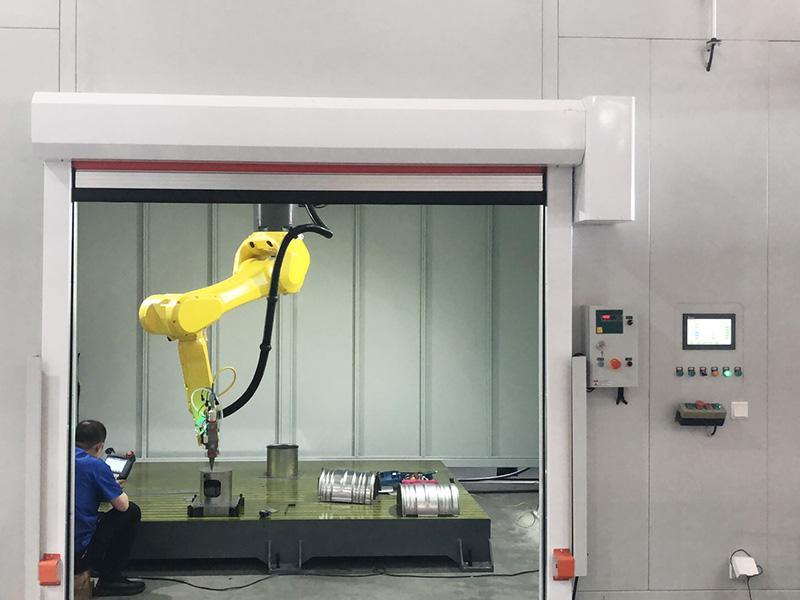
Laser cutting is one of the most precise and productive thermal cutting processes used in modern metal fabrication. Jiangsu Dade Heavy Industry Co., Ltd. (stock code: 870547), a Wuxi-based high-tech manufacturer, integrates laser cutting machines, robot workstations and 3D flame/plasma/laser cutting equipment into complete fabrication solutions for global customers.Dade Heavy Industry
This article explains the working principle of laser cutting technology, its main process types, key parameters, and how to choose the right cutting solution for your workshop.
How Does Laser Cutting Work?
Laser cutting focuses a high-power laser beam onto the surface of a material, raising its temperature to the melting or vaporization point in a localized area. A focused beam — typically delivered through optical fibers and a cutting head with a focusing lens and nozzle — cuts through the material along a programmed path.
The process is assisted by a high-pressure assist gas that serves two purposes:
- Nitrogen — used for stainless steel and aluminum to produce a clean, oxidation-free cut edge by blowing molten material away.
- Oxygen — used for carbon steel, where the exothermic reaction adds extra energy, enabling faster cutting of thicker plates.
The CNC system moves the cutting head (or the workpiece) in precise X/Y coordinates, producing intricate shapes with a narrow kerf and high edge quality.
Main Types of Laser Cutting Processes
1. Fusion Cutting (Melt Cutting)
The material is melted by the beam and blown away by an inert gas jet. Best for stainless steel and non-ferrous metals; produces bright, clean edges.
2. Flame Cutting (Oxygen Cutting)
The material is heated to ignition temperature, and an oxygen jet triggers a combustion reaction. Suitable for cutting thicker carbon steel at high speed, but leaves a slightly oxidized edge.
3. Sublimation / Vaporization Cutting
The beam vaporizes the material directly. Used for thin sheets and materials that cannot be melted easily, such as certain plastics and thin metals.
By Laser Source
- Fiber laser cutting — high efficiency, excellent beam quality and low maintenance; the dominant choice for sheet metal cutting.
- CO2 laser cutting — well suited for cutting non-metals and thicker materials with good edge quality.
- YAG/Nd:YAG laser cutting — used for high-precision and specific metals.
Key Parameters That Determine Cut Quality
- Laser power — determines maximum cutting thickness and speed.
- Cutting speed — too fast leaves dross; too slow causes excessive heat input and burr.
- Focus position — correct focus depth is critical for edge quality.
- Assist gas type and pressure — affects edge oxidation and dross removal.
- Nozzle size and standoff distance — influence kerf width and gas flow stability.
- Material thickness and composition — dictates the optimum parameter window.
Advantages of Laser Cutting Over Conventional Methods
- Extreme precision — narrow kerf and tight tolerances for complex profiles.
- No tool wear — the beam never dulls, keeping quality consistent over time.
- High flexibility — changing designs is as simple as modifying the program.
- Minimal heat-affected zone — less distortion than plasma or oxy-fuel cutting.
- Easy automation — integrates with robots, loading/unloading systems and smart factories.
Materials Suitable for Laser Cutting
- Carbon steel — up to thick plates using oxygen-assisted cutting.
- Stainless steel — clean edges with nitrogen.
- Aluminum and aluminum alloys — requires sufficient power for reflective material.
- Copper and brass — possible with high-power fiber lasers.
- Titanium, nickel alloys — for aerospace and specialty applications.
- Non-metals — acrylic, wood, textiles and composites (with CO2 lasers).
Applications of Laser Cutting Technology
- Sheet metal fabrication — enclosures, panels, brackets and custom parts.
- Automotive industry — body panels, frames and laser-cut structural components.
- Shipbuilding and heavy engineering — plate profiling for hulls and machinery.
- Electrical appliances and cabinets — precise cutouts and ventilation patterns.
- Aerospace — high-precision cutting of exotic alloys.
Dade Heavy Industry provides 3D flame/plasma/laser cutting machines and robotic cutting workstations that support both flat sheet and three-dimensional profile cutting, widely used in petrochemicals, electricity, metallurgy, shipbuilding, locomotives and construction.
How to Choose a Laser Cutting Solution
1. Determine your material range — carbon steel, stainless steel or non-ferrous metals.
2. Define maximum plate thickness — this directly sets the required laser power.
3. Assess working area — match table size and gantry travel to your largest workpiece.
4. Consider automation — robot workstations and auto-loaders boost throughput for high-volume work.
5. Evaluate total cost of ownership — power consumption, maintenance and service support.
Why Choose Dade Heavy Industry
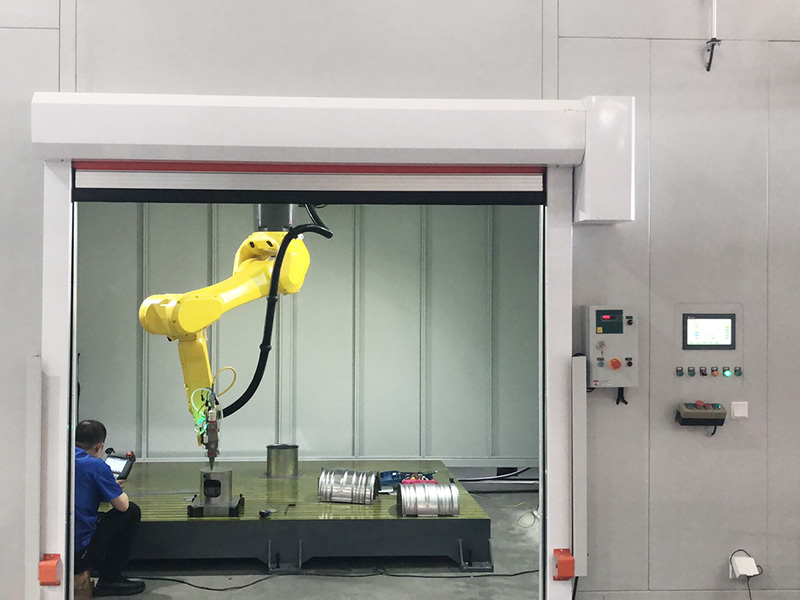
With nearly 600 employees, 50 product series and 200 specifications, Dade Heavy Industry delivers complete laser cutting solutions from a single 100,000 m² manufacturing base, exporting to Southeast Asia, the Middle East, Japan, Europe and America.
From a single laser cutting machine to a fully automated robotic cutting cell, our engineers will help you optimize cutting parameters and maximize productivity. Contact Dade Heavy Industry for a tailored solution.

 English
 Arabic
 French
 Spanish
 Deutsch
 Turkish
 Dutch
Dutch
 Italiano
 Russian
 Romaian
 Portuguese (Brazil)
 Greek
Greek
