


Teeth Retainers: What to Expect
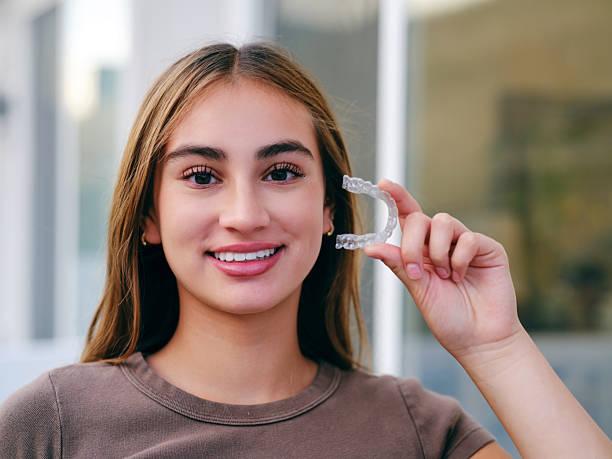
Teeth Retainers in Dubai are commonly used after braces or clear aligners to help maintain the position of teeth. After active orthodontic care, the surrounding tissues need time to adapt, and natural tooth movement can continue over time. A retainer provides support during this stage and can become an important part of a long-term oral care routine. Knowing what to expect can help patients feel more comfortable with their retainer and understand how to care for it properly.
Getting Your Teeth Retainer
After orthodontic treatment is completed, a dental professional will assess the position of your teeth and determine the most suitable retention option. Depending on your dental needs, you may receive a removable clear retainer, another type of removable appliance, or a fixed retainer attached behind selected teeth.
For removable retainers, an impression or digital scan may be used to create an appliance that fits the shape of your teeth. A well-fitting retainer should sit securely without causing significant discomfort.
Your dental professional will explain how and when to wear the appliance before you begin using it regularly.
Adjusting to Wearing a Retainer
It is normal for a new retainer to feel unfamiliar during the first few days. Patients may notice mild pressure as the appliance holds the teeth in their intended positions.
A removable retainer can also affect speech slightly at first because the mouth needs time to adjust to having an appliance inside it. With consistent use, most people become more accustomed to the sensation.
If the retainer causes significant pain, cuts the gums, or does not fit correctly, it should be checked by a dental professional rather than adjusted at home.
Dental Clinic: Professional Retainer Support
A professional Dental Clinic can provide guidance throughout the retainer process. The dental team can check the fit of the appliance, answer questions about wearing schedules, and identify signs of damage or unwanted tooth movement.
Follow-up visits are also useful for assessing oral hygiene and checking whether a fixed retainer remains securely attached. If a removable retainer has become loose, cracked, or distorted, professional advice can help determine whether it needs replacement.
Understanding Your Wearing Schedule
Retainer schedules vary according to individual orthodontic circumstances. Some patients may initially need to wear a removable retainer for longer periods before gradually transitioning to nighttime use.
Others may receive different instructions depending on the type of orthodontic correction they have undergone. Because retention requirements are personal, patients should follow the schedule given by their dentist or orthodontist.
Stopping retainer use without professional guidance may allow the teeth to move. Even when the teeth appear straight, the supporting tissues can continue changing.
Eating and Drinking With Retainers
Patients with removable retainers are generally advised to remove them before eating unless their dental professional has provided different instructions. Food can become trapped between the appliance and teeth, potentially contributing to plaque buildup.
Water is generally suitable while wearing a removable retainer. Hot beverages can be problematic for some plastic appliances because heat may affect their shape.
Fixed retainers remain attached to the teeth, so patients can eat normally but need to pay particular attention to cleaning around the bonded wire.
Cleaning Your Retainer
Keeping a retainer clean is important for both hygiene and comfort. Removable appliances should be cleaned according to the instructions provided by the dental professional or manufacturer.
Very hot water should generally be avoided with plastic retainers because it can distort the appliance. Abrasive cleaning products may also damage clear surfaces.
After cleaning, the retainer should be stored in its protective case whenever it is not being worn. The case should also be cleaned regularly to help maintain good hygiene.
What If Your Retainer Feels Tight?
A retainer that feels slightly tighter than usual can sometimes indicate minor tooth movement. This may happen when the wearing schedule has not been followed consistently.
Patients should not force a retainer into place if it causes significant pain or no longer fits properly. Instead, contacting a dental professional can help determine whether the appliance remains suitable.
If teeth have moved considerably, the dentist may recommend a replacement appliance or further orthodontic assessment.
Replacing a Damaged or Lost Retainer
Retainers can become damaged through normal use, accidental drops, improper storage, or exposure to excessive heat. A cracked or distorted appliance may no longer provide the correct support.
If a retainer is lost, contacting the dental provider promptly is advisable. Delaying replacement may allow the teeth to shift, particularly when retention is still an important part of the orthodontic plan.
A replacement retainer can usually be created after the teeth and existing records have been assessed.
Long-Term Retainer Care
Retainer use is generally part of ongoing orthodontic maintenance rather than a short-term routine. Teeth can naturally change position as people age, which is why some patients may be advised to continue nighttime retention for an extended period.
Regular dental checkups can help monitor both the teeth and the retainer. Maintaining good brushing and interdental cleaning habits also supports the health of the gums and teeth surrounding the appliance.
Final Thoughts
Teeth Retainers can become a simple part of daily oral care when patients understand how to wear, clean, and store them correctly. Mild adjustment is common when first using a new appliance, but significant discomfort or changes in fit should be professionally assessed. Consistent retention, good oral hygiene, and regular dental visits can help support stable tooth alignment over the long term.

 English
 French
 Spanish
 Portuguese
 Deutsch
 Turkish
 Dutch
Dutch
 Italiano
 Russian
 Romaian
 Portuguese (Brazil)
 Greek
Greek
