


How Does Hopeway AMD Shape Tyvek Header Bag Solutions?
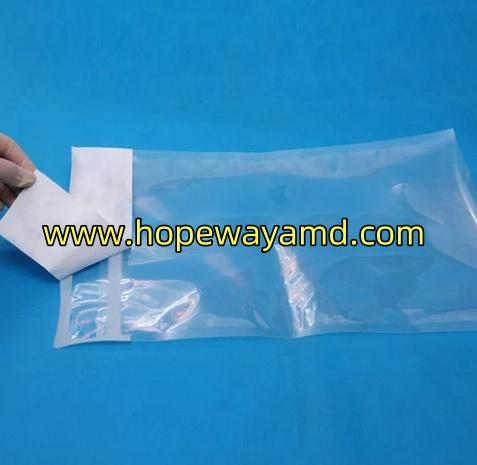
In medical packaging environments, the way a package is stored and handled can be just as important as the material surrounding its contents. Tyvek Header Bag from Hopeway AMD combines a bag-style structure with a header area, offering a practical packaging concept for applications where visibility, organization, and controlled handling need to work together.
The header design creates a distinctive format for arranging packaged items. Instead of treating the package as a simple container, users can consider how it will be positioned before sterilization, during storage, and when it is eventually opened. This makes the overall packaging process easier to plan around the physical characteristics of the enclosed product.
Material selection remains an important part of this process. Tyvek-based packaging is commonly associated with medical applications because its structure can provide a useful balance between barrier protection and permeability. When paired with a suitable sterilization process, the material can form part of a packaging system designed to accommodate sterilizing agents while helping protect the contents afterward.
The header section can also contribute to organization. Depending on the application, packages may need to be arranged on racks, hooks, or other designated storage systems. A header-style format can make the package easier to position without repeatedly handling the main bag area, which may be useful when maintaining an orderly preparation and storage environment.
Visibility is another practical consideration. A clear packaging section can allow users to recognize the enclosed item without opening the package. This can make sorting and preparation more convenient, particularly when several different medical products are being handled within the same workspace.
Before sterilization, careful loading is essential. The contents should be placed in a way that avoids unnecessary pressure on the packaging and keeps the sealing area suitable for closure. Following established preparation procedures helps create a consistent package and supports smoother movement into the sterilization stage.
After processing, packaging becomes part of the storage journey. Medical items may need to remain protected while awaiting transportation or use. During this period, careful handling can help preserve the package condition. Avoiding excessive pressure, sharp contact, and unsuitable storage environments remains important for maintaining packaging integrity.
The opening experience also deserves attention. When a packaged item is needed, controlled opening can help present the contents in a more organized manner. A well-considered package should support the user's workflow from preparation through final access rather than focusing only on the sterilization stage.
For manufacturers and healthcare-related organizations, packaging requirements can vary according to the product, sterilization method, storage conditions, and handling procedures. A header-style bag provides another option for applications where the physical arrangement of packaged items matters. Selecting the appropriate format begins with understanding how the package will actually be used.
Good medical packaging is created through the interaction of material, structure, sealing, processing, and handling. Each element has a role, and thoughtful coordination between them can help create a packaging routine that feels practical in everyday operations.
Sometimes, a small change in package structure can inspire a different way of organizing the entire workflow. If you are considering new approaches to medical packaging, visit https://www.hopewayamd.com/product/ and take a closer look at the available possibilities. Let your next packaging idea start with a fresh perspective.

 English
 Arabic
 French
 Portuguese
 Deutsch
 Turkish
 Dutch
Dutch
 Italiano
 Russian
 Romaian
 Portuguese (Brazil)
 Greek
Greek
