


What Is Driving Interest in NAD Supplement Across the U.S.
Wellness in the United States is moving beyond simple ideas about diet and exercise. More consumers are becoming interested in what happens inside the body and how everyday choices may influence overall cellular function. This shift has brought greater attention to topics that were once mostly discussed in scientific circles. Among them, NAD has become a subject of growing public curiosity. The NAD Supplement market is gaining attention as people search for information about cellular processes, healthy aging, and nutritional support. While interest is increasing, consumers are also becoming more careful about understanding ingredients, evidence, product quality, and realistic expectations before adding any new supplement to their personal routine.
Why Cellular Energy Gets Attention
Energy is something people notice throughout everyday life, from morning routines to workouts and busy working schedules. Naturally, this makes biological energy production an interesting subject for wellness-minded consumers. NAD is involved in cellular reactions that help the body process nutrients and produce energy. Learning about these processes can make people curious about nutritional approaches connected with NAD metabolism. A NAD Supplement may appear during that research, particularly when consumers explore products marketed around cellular wellness. However, understanding the underlying biology is essential. NAD is naturally present in the body, and supplementation is not a replacement for balanced nutrition, adequate sleep, physical activity, or professional medical advice when health concerns are involved.
Healthy Aging Is Influencing Consumer Behavior
Americans are increasingly interested in maintaining an active lifestyle as they get older. Healthy aging conversations now include movement, nutrition, recovery, sleep, social connection, and long-term wellness habits. This broader perspective has encouraged consumers to investigate cellular processes associated with aging. NAD is often mentioned because its levels and metabolism have been studied in relation to biological aging. As a result, a NAD Supplement can become part of the research journey for people interested in this area. The growing conversation does not mean that every product claim has been conclusively established. Consumers can benefit from reviewing credible research and considering their individual circumstances rather than treating emerging wellness trends as guaranteed solutions.
Digital Content Is Changing Consumer Education
The way Americans learn about health products has changed dramatically. Search engines, podcasts, newsletters, social networks, and video platforms allow people to discover unfamiliar scientific concepts almost instantly. Someone watching a wellness interview may hear about NAD for the first time and then begin researching it independently. This digital pathway has contributed to greater visibility for a NAD Supplement among online audiences. However, the internet contains both educational material and promotional content. A persuasive presentation does not necessarily demonstrate scientific effectiveness. Checking several reliable sources can provide a more balanced understanding of what researchers have investigated and which questions remain unanswered.
Fitness Culture Is Expanding Beyond Exercise
Today's fitness audience often thinks about more than calories, muscle growth, or workout frequency. Recovery, nutrition, sleep, metabolism, and long-term performance have become important parts of the conversation. This has naturally increased interest in biological processes that support normal physical function. NAD is sometimes discussed in this context because of its involvement in cellular metabolism. For people exploring a NAD Supplement, the most useful starting point is understanding the ingredient and its intended purpose instead of assuming that a popular fitness trend applies equally to everyone. A consistent exercise routine and nutritious diet remain fundamental elements of wellness, while supplements should be considered within the larger context of personal health choices.
Consumers Want More Information Before Buying
American supplement shoppers increasingly have access to detailed product information. Online stores can display ingredient panels, suggested serving sizes, manufacturing information, and brand explanations within seconds. This has made consumers more comfortable researching products before purchasing them. When examining a NAD Supplement, shoppers may encounter different formulations and ingredients designed to support NAD-related pathways. These differences make label reading particularly important. A product's name alone does not explain its complete formulation. Looking carefully at the actual ingredients and following the manufacturer's directions can help consumers understand what they are considering. When questions involve medications, medical conditions, or individual health needs, professional guidance can provide additional context.
The Appeal of Scientific Wellness
There is a growing desire among consumers to understand the science behind wellness instead of simply following traditional trends. People are asking questions about how nutrients interact with the body, how cells generate energy, and how biological systems change over time. This curiosity has helped bring NAD into mainstream wellness discussions. For some consumers, researching a NAD Supplement is less about chasing a quick result and more about learning how supplementation might relate to their broader interests. That distinction matters because scientific research can be complex. Early findings, laboratory research, human studies, and marketing statements should not automatically be treated as equivalent evidence.
Brand Credibility Has Become More Important
With countless wellness products available online, consumers often look for signs that a company takes product information seriously. Clear labeling, accessible ingredient details, responsible communication, and transparent product descriptions can help shoppers make more informed comparisons. These factors become particularly relevant when considering a NAD Supplement, since products can differ considerably in formulation and positioning. Consumers may also want to understand whether a brand makes unusually broad promises or explains its products in measured language. No single packaging feature can establish whether a supplement is appropriate for an individual. Careful research remains important, especially when wellness claims sound significantly stronger than the available scientific evidence.
Individual Goals Drive Different Decisions
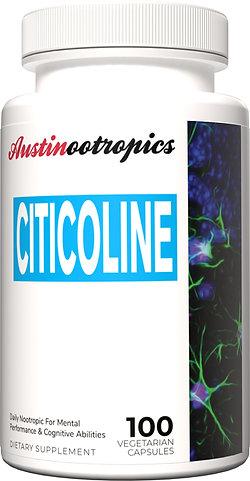
Wellness is highly personal. A busy professional may be interested in maintaining a consistent lifestyle, while an active adult may focus more on exercise and recovery. Someone else may simply be curious about emerging research surrounding cellular biology. These different motivations help explain why NAD has attracted attention from several types of American consumers. Before purchasing a NOOTROPICS, it can be useful to identify the actual reason for considering it. Understanding personal goals makes it easier to evaluate whether a product is relevant. It also reduces the chance of making a decision based purely on social media popularity, celebrity promotion, or an appealing advertising message.
Where NAD Interest Could Go Next
The growing conversation surrounding NAD reflects a larger change in how Americans approach wellness. Consumers are increasingly interested in the relationship between nutrition, cellular processes, healthy aging, and everyday lifestyle choices. Continued scientific research may provide more information about NAD biology and supplementation, helping consumers distinguish established findings from areas that still need investigation. For now, interest in a NAD Supplement is best understood as part of this expanding wellness landscape rather than evidence of a universal benefit. As people become more informed, thoughtful research, transparent product information, realistic expectations, and individualized guidance can help shape more responsible conversations about emerging nutritional products.

 English
 Arabic
 French
 Spanish
 Portuguese
 Deutsch
 Turkish
 Italiano
 Russian
 Romaian
 Portuguese (Brazil)
 Greek
Greek
