


Physical Therapy:
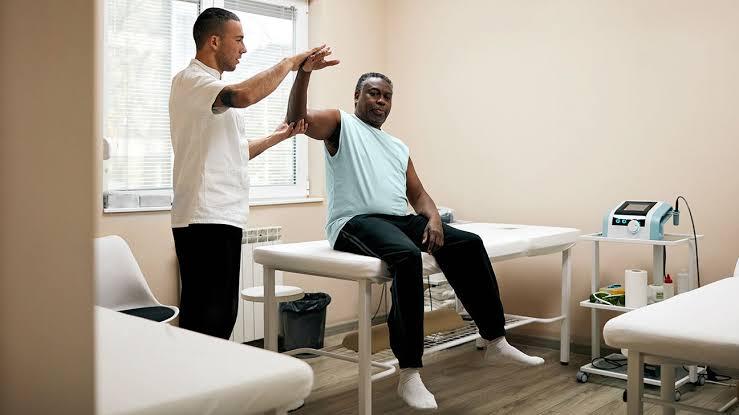
A Complete Guide to Recovery, Mobility, and Strength Movement is an important part of everyday life. Walking, exercising, working, playing sports, and performing simple daily tasks all require strength, flexibility, balance, and coordination. When an injury, illness, surgery, or physical condition affects movement, physical therapy can help people work toward better function and greater independence. Physical therapy uses structured exercises, movement training, education, and hands-on techniques to address physical limitations. Treatment is usually personalized according to the person's condition, symptoms, activity level, and goals. It may be used after injuries and surgeries, for certain long-term conditions, or to improve movement and physical function. What Is Physical Therapy? Physical therapy is a form of rehabilitation that focuses on improving movement and physical function. A physical therapist evaluates how a person moves and identifies areas such as weakness, stiffness, limited mobility, balance problems, or movement difficulties. Based on the assessment, the therapist creates an individualized treatment plan. This may include strengthening exercises, stretching, mobility training, balance exercises, movement retraining, and appropriate hands-on techniques. The goal is not necessarily the same for every person. One patient may want to return to sports, while another may want to walk more comfortably, recover after surgery, or perform everyday activities independently. Who Can Benefit From Physical Therapy? Physical therapy can be useful for people of different ages and activity levels. It may be recommended for people recovering from injuries, surgery, or certain health conditions that affect movement. Common examples include: Condition or Situation Physical Therapy Focus Back pain Mobility, strengthening, and movement Neck pain Mobility, posture, and strength Sports injuries Rehabilitation and return to activity Knee problems Strength, stability, and mobility Shoulder problems Movement and strengthening Joint stiffness Flexibility and mobility Post-surgical recovery Gradual restoration of function Balance difficulties Coordination and stability The appropriate treatment depends on the individual's condition and should be determined following an appropriate assessment. Benefits of Physical Therapy Improved Movement Pain, stiffness, weakness, or injury can make normal movement difficult. Physical therapy can focus on restoring or improving movement through targeted exercises and movement training. Increased Strength Injury and inactivity can cause muscles to become weaker. Progressive resistance and strengthening exercises can help rebuild physical capacity. Better Flexibility Stretching and mobility exercises may help address certain restrictions in movement and support functional mobility. Improved Balance Balance training can help people develop better stability and movement control. This can be particularly useful for people recovering from certain injuries or dealing with balance difficulties. Support After Surgery Physical therapy is commonly incorporated into rehabilitation after many types of surgery. Treatment can help patients gradually work toward restoring movement, strength, and function. Physical Therapy for Sports Injuries Athletes and active individuals can experience strains, sprains, tendon problems, joint injuries, and other physical issues. Physical therapy can help guide the rehabilitation process. A therapist may assess strength, flexibility, balance, mobility, and sport-specific movements. The rehabilitation program can then progress from basic exercises toward more demanding activities. For athletes, the final stages may include running, jumping, changing direction, throwing, kicking, or other movements required by their sport. Returning to activity should be gradual and based on physical readiness rather than simply waiting for pain to disappear. Physical Therapy After Surgery Surgery can sometimes result in temporary weakness, stiffness, reduced mobility, or difficulty performing normal activities. Physical therapy can support recovery by gradually restoring physical function. Treatment may begin with gentle movement and progress toward strengthening, balance work, and functional exercises. The exact rehabilitation plan depends on the type of surgery and the individual's medical condition. Patients should follow the instructions provided by their healthcare team. Physical Therapy for Back and Neck Problems Back and neck problems can affect work, exercise, sleep, and everyday movement. Depending on the cause, physical therapy may focus on mobility, strengthening, posture, movement control, and functional activities. A therapist may assess how the person moves and identify physical factors that may be contributing to the problem. Treatment can then be adjusted according to the patient's symptoms and goals. Exercise and active participation are often important parts of the rehabilitation process. Physical Therapy for Joint Problems Joint problems involving the knees, shoulders, hips, ankles, elbows, or other areas can affect mobility and strength. Physical therapy may use exercises to improve joint-supporting muscle strength and movement control. Mobility work can also be included when stiffness is limiting normal activities. For people with long-term joint conditions, therapists may provide strategies for maintaining physical activity and managing movement limitations. Neurological Physical Therapy Physical therapy can also form part of rehabilitation for certain neurological conditions. Problems affecting the brain, spinal cord, or nerves can sometimes affect strength, coordination, balance, walking, or other physical functions. A neurological rehabilitation program may focus on improving movement, balance, coordination, endurance, and independence. The specific goals depend on the person's condition and abilities. In some cases, physical therapists work alongside other healthcare professionals as part of a broader rehabilitation team. What Happens During a Physical Therapy Assessment? The first appointment usually begins with a discussion about the person's symptoms, medical history, previous injuries, physical activities, and treatment goals. The therapist may assess: Muscle strength Joint movement Flexibility Balance Coordination Posture Walking or movement patterns Functional activities The results help the therapist develop a personalized treatment plan. Progress can be reviewed during future appointments, allowing exercises and treatment techniques to be adjusted as physical abilities change. Common Physical Therapy Techniques Physical therapy can involve several different approaches. The techniques selected depend on the individual's condition. Common approaches include therapeutic exercises, stretching, strengthening, balance training, mobility exercises, movement retraining, and appropriate manual techniques. Some physical therapy programs may also use heat, cold, electrical stimulation, hydrotherapy, or other modalities when suitable. Exercise is often an important part of treatment because patients can continue appropriate exercises between appointments. Home Exercises and Physical Therapy A physical therapy program may include exercises that patients perform at home. These exercises allow people to continue working toward their rehabilitation goals between sessions. Home programs should be based on professional instructions. The number, intensity, and frequency of exercises can vary depending on the person's condition. If an exercise causes significant or unusual symptoms, the patient should discuss the issue with their physical therapist so the program can be adjusted. Choosing a Physical Therapy Service When choosing a physical therapy provider, consider the qualifications and experience of the therapist. It can also be useful to find a professional with experience treating your particular condition or activity. A good treatment process should begin with an assessment rather than applying exactly the same program to every patient. Patients should understand their rehabilitation goals, recommended exercises, expected progression, and any activity modifications that may be necessary. When Should You Consider Physical Therapy? You may consider physical therapy when pain, stiffness, weakness, reduced mobility, or an injury is interfering with normal activities. It can also be useful during recovery after surgery or when returning to exercise following an injury. Some symptoms require medical evaluation rather than routine physical therapy. Severe pain, significant trauma, major swelling, sudden weakness, loss of movement, or other concerning symptoms should be assessed by an appropriate healthcare professional. Final Thoughts Physical therapy is an important part of rehabilitation for many injuries, movement problems, surgeries, and health conditions. It focuses on improving physical function through individualized exercises, movement training, education, and appropriate therapeutic techniques. A personalized assessment helps determine the right treatment approach. Whether the goal is returning to sports, improving mobility after surgery, managing a physical condition, or becoming more independent with everyday activities, physical therapy can provide structured support throughout the recovery process. Consistent participation, gradual progression, and communication with the treating professional can help patients work toward their individual rehabilitation goals. FAQs About Physical Therapy What is physical therapy? Physical therapy is a rehabilitation approach that uses exercises, movement training, education, and appropriate therapeutic techniques to improve physical function. Who needs physical therapy? People recovering from injuries, surgery, sports problems, movement difficulties, or certain health conditions may benefit from physical therapy. Can physical therapy help back pain? It may help appropriate cases of back pain through exercises, mobility training, strengthening, and movement education. Is physical therapy useful after surgery? Yes. Physical therapy is commonly used during recovery after many types of surgery to help restore movement, strength, and function. How long does physical therapy take? The duration varies according to the condition, severity of the problem, individual goals, and progress during treatment. Are home exercises necessary? Many physical therapy programs include home exercises so patients can continue their rehabilitation between professional sessions. Can physical therapy help athletes? Yes. Physical therapy can support recovery from sports injuries and help athletes gradually rebuild strength, mobility, and sport-specific function.

 English
 Arabic
 French
 Spanish
 Portuguese
 Deutsch
 Turkish
 Dutch
Dutch
 Russian
 Romaian
 Portuguese (Brazil)
 Greek
Greek
