


HIV Test in Dubai: Early Detection Explained
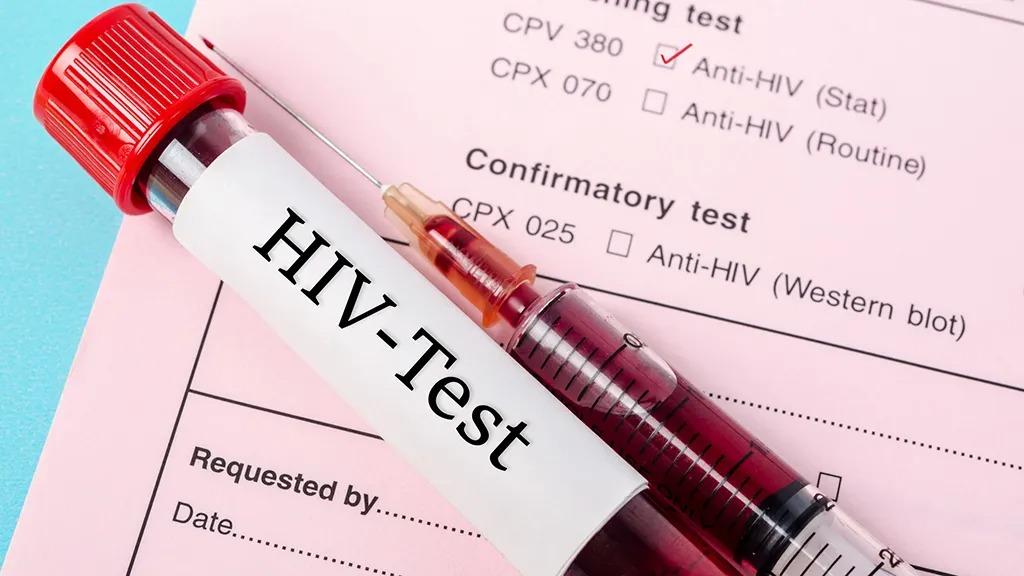
Early detection can provide important information for people who may have been exposed to HIV. An HIV Test in Dubai can identify evidence of HIV infection using different testing methods, but the ability to detect a recent infection depends on the test and the time since exposure. People considering an STD Test in Dubai may also discuss HIV screening with a healthcare professional as part of a broader sexual health assessment.
HIV does not always produce noticeable symptoms immediately. Some people may experience short-term symptoms, while others may have no obvious signs. This means that waiting for symptoms is not a reliable approach to determining HIV status. Testing is the appropriate way to investigate a possible infection.
Why Early HIV Detection Matters
Identifying HIV as early as possible can help a person access appropriate medical care and understand their health status. Once HIV is diagnosed, healthcare professionals can discuss treatment and ongoing monitoring.
Modern HIV treatment can significantly reduce the amount of virus in the body. When treatment is taken as prescribed and viral suppression is achieved and maintained, people living with HIV can maintain their health and, according to established medical evidence, have no risk of sexually transmitting HIV.
Early diagnosis can therefore be an important step toward appropriate healthcare and informed decisions.
How Soon Can HIV Be Detected?
There is no single time at which every HIV test can detect an infection. Different tests identify different markers, and these markers become detectable at different stages following infection.
Some tests look for HIV antibodies. Others detect both antibodies and the p24 antigen, while nucleic acid testing looks for HIV genetic material.
The timing of a potential exposure should therefore be discussed with a healthcare professional before testing.
The HIV Window Period
The window period describes the period after infection when a particular HIV test may not yet detect the infection reliably.
A person who tests during this period may receive a negative result even though HIV infection is present. This is why a negative test performed shortly after possible exposure may require follow-up.
The exact detection period depends on the test used and individual circumstances.
Antibody Testing and Early Detection
Antibody tests identify the immune response produced after HIV infection. Because the body needs time to develop detectable antibodies, antibody-only testing may not identify a very recent infection.
If exposure occurred recently, a healthcare professional can explain whether an antibody test is suitable or whether another testing method may provide more appropriate information.
Antigen and Antibody Testing
Combination antigen and antibody tests look for HIV antibodies as well as the p24 antigen. The p24 antigen can become detectable before antibodies in the course of infection.
This means combination testing can help identify infection earlier than antibody-only testing in appropriate circumstances. However, testing still needs to be performed at a suitable time.
Nucleic Acid Testing
Nucleic acid tests detect HIV genetic material in the blood. Because this approach looks for the virus itself rather than relying solely on the immune response, it can be useful in certain situations involving recent exposure.
These tests are not necessarily required for every person seeking HIV screening. A healthcare professional can determine whether this testing approach is appropriate based on the circumstances.
Can Symptoms Show Early HIV Infection?
Early HIV infection can sometimes cause symptoms that resemble common viral illnesses. These may include fever, fatigue, sore throat, swollen lymph nodes, or a rash.
However, these symptoms are not specific to HIV and can occur with many other conditions. Some people with early HIV infection may not experience noticeable symptoms at all.
For this reason, symptoms should not be used to determine whether someone has HIV. Testing provides more relevant information.
Testing After a Possible Exposure
If you believe you may have been exposed to HIV, consider seeking professional medical advice promptly. The timing of the exposure can influence which testing approach is suitable.
A healthcare professional can ask when the exposure occurred and discuss available testing options. If the exposure was very recent, they may also explain time-sensitive medical measures that could be relevant.
Waiting for symptoms before seeking advice can delay access to appropriate care.
What Does an Early Negative Result Mean?
A negative result soon after a possible exposure does not necessarily exclude a recent HIV infection. If the test was performed during the window period, HIV may not yet have become detectable by that particular testing method.
This is why healthcare professionals sometimes recommend repeat testing after an appropriate interval.
The meaning of a negative result should therefore be considered alongside the test type and the time since potential exposure.
Why Repeat Testing May Be Recommended
Repeat testing can be useful when an initial test was performed before the relevant detection period had passed.
For example, someone who tests shortly after a potential exposure may receive a negative result but still be advised to test again later. This approach accounts for the time needed for HIV markers to become detectable.
The appropriate timing for repeat testing varies according to the test used and the circumstances, so professional guidance is preferable to relying on a general timetable.
Early Detection and Treatment
When HIV is diagnosed, a healthcare professional can discuss treatment options and ongoing care. Antiretroviral therapy is used to control HIV and prevent the virus from multiplying.
Starting appropriate treatment can help protect the immune system and improve long-term health outcomes. Treatment decisions should always be discussed with a qualified healthcare professional.
Early Detection and Transmission Prevention
Knowing your HIV status can also support informed decisions about sexual health. People who receive an HIV diagnosis can discuss prevention strategies and treatment with their healthcare provider.
Effective HIV treatment that maintains an undetectable viral load prevents sexual transmission of HIV. This principle is often summarized as “undetectable equals untransmittable,” or U=U.
A healthcare professional can provide individualized information about treatment, viral load monitoring, and prevention.
HIV Screening as Part of Sexual Health Care
HIV testing can be performed separately or alongside broader sexual health screening. An STD Test in Dubai may include tests for other sexually transmitted infections depending on symptoms, exposure history, and professional recommendations.
Testing for HIV does not automatically test for infections such as syphilis, chlamydia, or gonorrhea. Each infection may require a different sample and testing method.
If you are concerned about multiple infections, explain your concerns during your consultation so that appropriate screening can be discussed.
Who May Consider HIV Screening?
People may consider HIV screening after a possible exposure, unprotected sexual contact, a new sexual relationship, or when they are unsure about their previous testing history.
Routine screening may also be appropriate for people with ongoing exposure risks. The recommended frequency depends on individual circumstances.
Pregnant people may also be offered HIV testing because identifying HIV during pregnancy allows healthcare professionals to provide appropriate care and reduce the risk of transmission to the baby.
Confidentiality and HIV Testing
Privacy is an important consideration for many people seeking HIV screening. Before testing, you can ask the healthcare provider how your sample and results will be handled.
You can also ask about the testing procedure, expected result time, and follow-up arrangements. Understanding these details beforehand can make the process easier and allow you to make informed decisions.
What to Do After Testing
After an HIV test, follow the healthcare provider's instructions regarding your result. If the result is negative but testing occurred during a possible window period, ask whether another test is recommended.
If a screening result is reactive, additional confirmatory testing is generally required. A reactive screening result should not automatically be considered a final diagnosis.
Professional follow-up is important for understanding what the result means and what steps should come next.
Takeaway
An HIV Test in Dubai can help identify HIV infection, but early detection depends on selecting an appropriate testing method and performing it at the right time. Antibody tests, antigen and antibody combination tests, and nucleic acid tests detect different markers and therefore have different detection periods.
If you have experienced a potential exposure, seeking medical advice promptly can help you understand your testing options and whether any time-sensitive care may be appropriate. If an initial test is performed during the window period, follow-up testing may also be recommended.

 English
 Arabic
 French
 Spanish
 Portuguese
 Turkish
 Dutch
Dutch
 Italiano
 Russian
 Romaian
 Portuguese (Brazil)
 Greek
Greek
