


What Manufacturers Should Consider Before Starting an Expansion Project
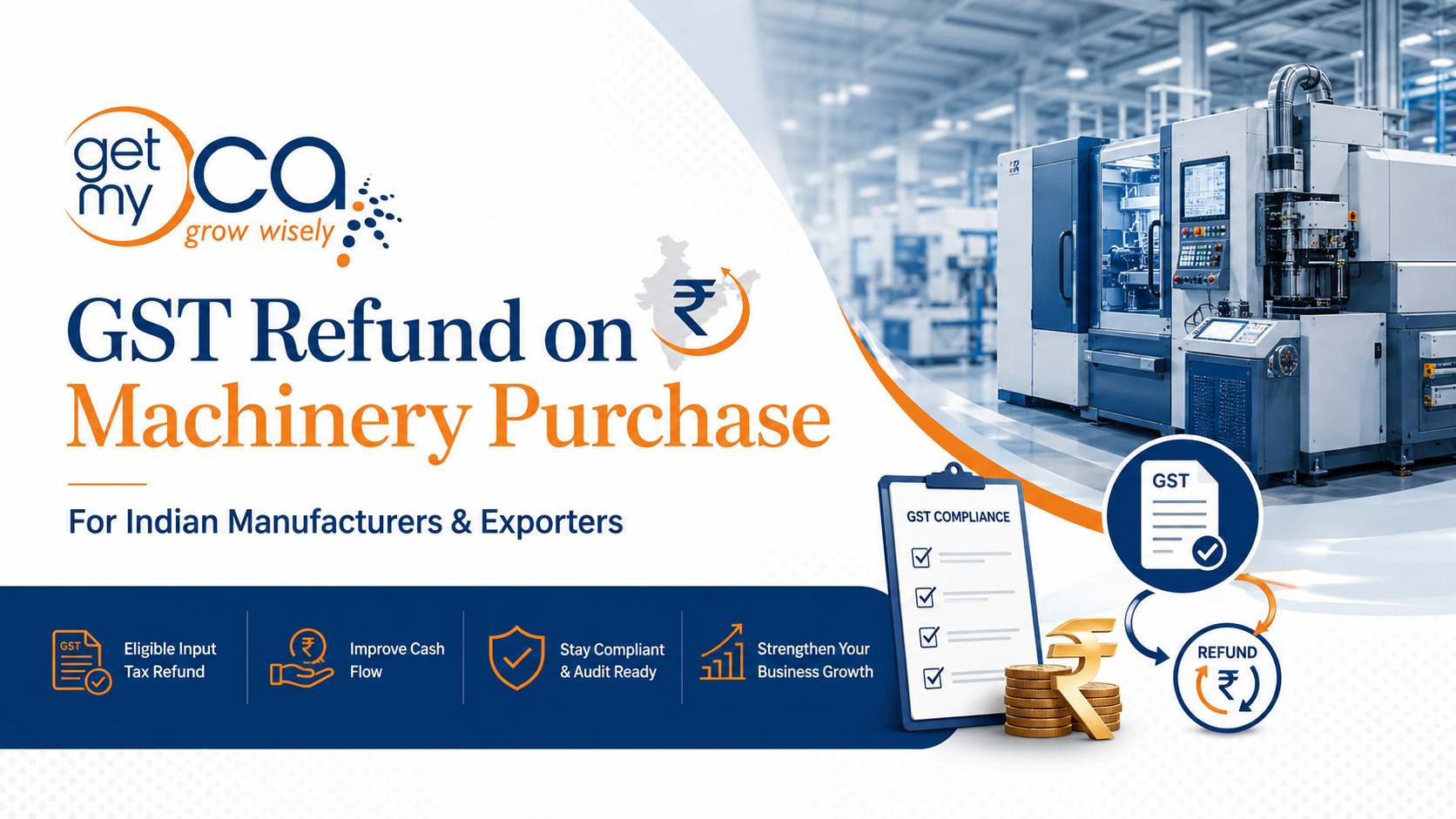
Expanding a manufacturing business can involve new machinery, additional production space, higher working capital and changes in operating costs. Because several factors are connected, it is useful to review the project as a complete investment before committing substantial funds.
The first step is to understand the purpose of the expansion. A business may want to increase capacity, introduce a new product line, modernize equipment or improve operating efficiency.
Review the Location Carefully
The location of a manufacturing project can influence logistics, infrastructure, workforce availability and long-term operating expenses.
Businesses considering a project in Haryana may benefit from reviewing the industrial policy factors affecting Haryana manufacturing projects before finalising the location or investment structure.
A location review can include:
- Availability of utilities
- Transport and logistics
- Workforce requirements
- Land or factory costs
- Proposed investment size
- Implementation timeline
- Applicable approvals
Looking at these factors together can help businesses compare locations more realistically.
Machinery Purchases Can Affect Working Capital
Expansion projects often involve significant machinery purchases. These transactions may also create a substantial GST impact.
Finance teams should therefore understand the GST impact of machinery purchases on business cash flow while planning the investment.
Useful records can include:
- Supplier invoices
- Purchase orders
- GST details
- Payment records
- Input tax credit records
- Installation documents
- Machinery specifications
It is important to remember that the existence of input tax credit does not automatically mean that a refund will be available. The treatment depends on the nature of the transaction and applicable GST provisions.
Estimate the Full Project Cost
The machinery invoice is only one part of the overall expansion budget.
Businesses may also need to consider:
- Installation expenses
- Financing cost
- Energy consumption
- Additional workforce
- Maintenance requirements
- Logistics expenses
- Tax impact
- Working-capital needs
Preparing a complete project estimate can help management understand the true financial requirement before the expansion begins.
Keep Documents Ready From the Beginning
Maintaining project records early can reduce confusion later.
A basic project file may contain quotations, machinery specifications, financing documents, tax records, implementation schedules and production estimates.
These records can also help management compare the original project plan with actual expenditure as the expansion progresses.
Final Thought
Manufacturing expansion works better when location, machinery, taxation and financing are reviewed together.
A structured assessment before major commitments are made can give businesses a clearer understanding of the project’s financial and operational impact.

 English
 Arabic
 French
 Portuguese
 Deutsch
 Turkish
 Dutch
Dutch
 Italiano
 Russian
 Romaian
 Portuguese (Brazil)
 Greek
Greek
