


Dental Elevator: Types, Uses, and Importance in Dental Procedures
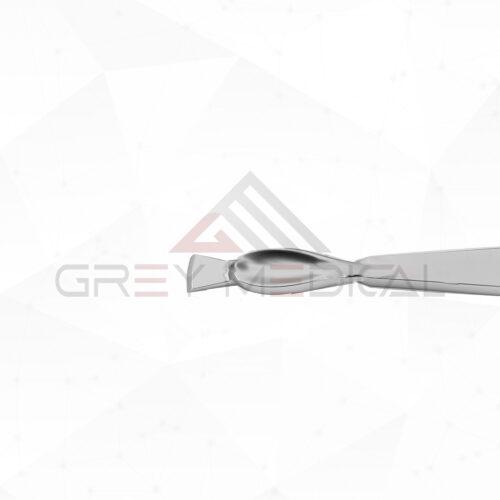
A dental elevator is an essential dental instrument designed to assist dentists during tooth extraction procedures. It is primarily used to loosen and elevate teeth or tooth roots from their sockets before removal with extraction dental elevator. With a carefully designed handle, shank, and working tip, this instrument provides controlled leverage while helping dental professionals perform extractions with greater precision and efficiency.

What Is a Dental Elevator?
A dental elevator is a hand-operated instrument commonly used in oral surgery and routine tooth extraction. Its working end is positioned between the tooth and surrounding bone or within the periodontal ligament space. By applying controlled pressure and rotational movements, the instrument helps loosen the tooth and prepare it for removal. The design and size of the elevator may vary depending on the tooth, extraction technique, and clinical requirements.
Common Types of Dental Elevators
Dental elevators are available in several designs to accommodate different extraction needs. Straight elevators are commonly used for general tooth loosening, while angled elevators can provide improved access to posterior teeth and areas with limited visibility. Root elevators are specifically designed to help remove retained or fractured roots. Specialized designs may also feature different blade shapes and sizes to provide appropriate access and leverage during oral surgical procedures.
Uses of Dental Elevators in Dentistry
The primary purpose of a dental elevator is to luxate and elevate teeth before extraction. These instruments can help expand the socket and separate the tooth from the surrounding periodontal tissues. They may also be useful for removing broken roots, fractured tooth fragments, or teeth that are difficult to grasp securely with extraction forceps. Proper instrument selection and controlled application are important for supporting a safe and efficient extraction procedure.
Features to Consider When Choosing a Dental Elevator
When selecting a dental elevator, dentists should consider factors such as construction, handle design, blade shape, size, and overall ergonomics. Stainless steel construction is widely preferred because it provides durability, corrosion resistance, and suitability for repeated sterilization. A comfortable handle can also support better control during procedures, while a precisely manufactured working tip allows the instrument to engage the tooth or root effectively.
Why Quality Matters in Dental Instruments
High-quality dental instruments contribute to consistency and reliability in clinical settings. A well-manufactured dental elevator should have a strong connection between its handle and working end, a smooth surface, and a precisely formed tip. These characteristics can help dental professionals maintain better control while reducing unnecessary instrument movement during extraction procedures.
GreyMedical®️ is a privately owned medical technology company dedicated to innovation and excellence in the craft of surgical instruments. Its commitment to precision manufacturing supports the development of instruments designed for professional dental and surgical applications.
Conclusion
A dental elevator is an important instrument for loosening and elevating teeth and roots during extraction procedures. Available in various shapes, sizes, and designs, dental elevators can support different clinical requirements. Choosing durable, precisely manufactured instruments with suitable ergonomic features can help dental professionals perform extraction procedures with improved control and efficiency.

 English
 Arabic
 French
 Spanish
 Portuguese
 Deutsch
 Turkish
 Italiano
 Russian
 Romaian
 Portuguese (Brazil)
 Greek
Greek
