


Why Machinery Investment Planning Matters for Growing Manufacturers
Buying new machinery is often a major step for a manufacturing business. It may help increase production, improve product quality, reduce manual work, or support an expansion plan. But machinery investment is not only about choosing the right equipment and negotiating the price.
Before placing an order, businesses should also look at financing, taxes, import requirements, export commitments, and working-capital impact. A little planning at the beginning can make the entire purchase process easier to manage.
Look Beyond the Cost of the Machine
The quoted price of machinery is only one part of the investment. Other expenses may include installation, freight, insurance, customs duties, electrical work, testing, and employee training.
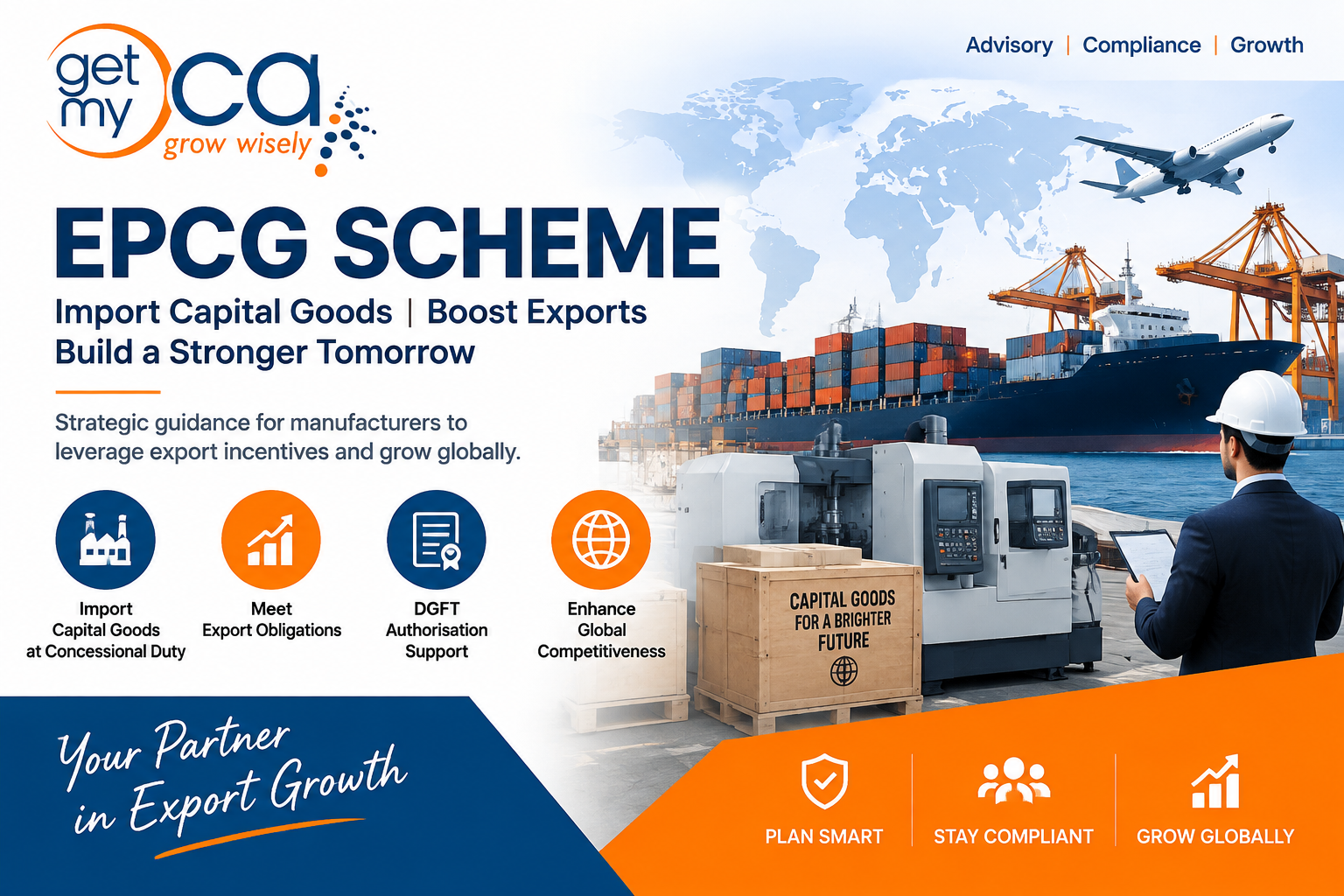
Businesses importing capital goods should also review available trade-related schemes before completing the purchase. For export-oriented manufacturers, EPCG planning for machinery investment can be relevant when evaluating duty implications and future export obligations.
The important point is to study these requirements before the machinery is ordered rather than after the transaction has already been completed.
Understand the Working-Capital Impact
Large machinery purchases can temporarily put pressure on cash flow. Apart from the equipment cost, GST paid on domestic purchases may also remain as input tax credit depending on the nature of the business and its outward supplies.
Exporters, in particular, should regularly review their input tax credit position. Understanding the GST refund process for exporters can help finance teams identify whether eligible accumulated credit needs to be examined as part of their normal GST compliance.
This does not mean every machinery purchase automatically results in a refund. Eligibility depends on the transaction structure, tax position, documentation, and applicable GST provisions.
Keep Documentation Ready
Many delays happen because documents are collected only when they are urgently needed. Businesses planning expansion should keep purchase orders, invoices, payment records, shipping documents, GST records, technical specifications, and related agreements organised from the beginning.
If the machinery is connected with imports or an export-linked scheme, additional records may also be required. Maintaining proper documentation makes it easier for the finance and compliance teams to review the transaction later.
Coordinate Different Teams Early
Machinery purchases normally involve more than one department. The production team looks at capacity and technical specifications, finance reviews the cost, procurement handles vendors, while the compliance team checks tax and regulatory requirements.
When these teams work separately, important details can sometimes be missed. A short internal review before placing the final order can help identify issues early.
Final Thoughts
Machinery investment can support long-term business growth, but the decision should be evaluated from both an operational and financial perspective.
Manufacturers should consider the complete cost of acquisition, possible tax impact, documentation requirements, financing arrangements, and any export-related obligations before making a major commitment. Proper planning does not make the process complicated; in many cases, it simply helps businesses avoid unnecessary corrections later.

 English
 French
 Spanish
 Portuguese
 Deutsch
 Turkish
 Dutch
Dutch
 Italiano
 Russian
 Romaian
 Portuguese (Brazil)
 Greek
Greek
